

You're in the middle of a shift, someone's calling for a thermometer, the bench is wet, and your apron's already holding more splash than it should. In that moment, aprons with pockets stop being a styling choice and become a tool choice. For butchers, chefs, and food-room staff in Australia, the right apron has to carry gear, clean down properly, and stay out of the way while work keeps moving.
Table of Contents
- More Than Fabric The Role of a Professional Apron
- Choosing Your Apron Material for Durability and Cleaning
- Pocket Configuration for Different Workflows
- Navigating Food-Grade and Waterproofing Requirements
- Sizing Fastening Systems and Accessory Compatibility
- Your Selection Checklist for the Right Apron
More Than Fabric The Role of a Professional Apron
A butcher can lose time in seconds by reaching for a marker, a thermometer, or a sanitising wipe that is not where it should be. A chef can spend an entire service tugging at a soaked cotton bib, then still have to clean around seams that hold grime. A professional apron has to support the work as much as it protects the clothing.
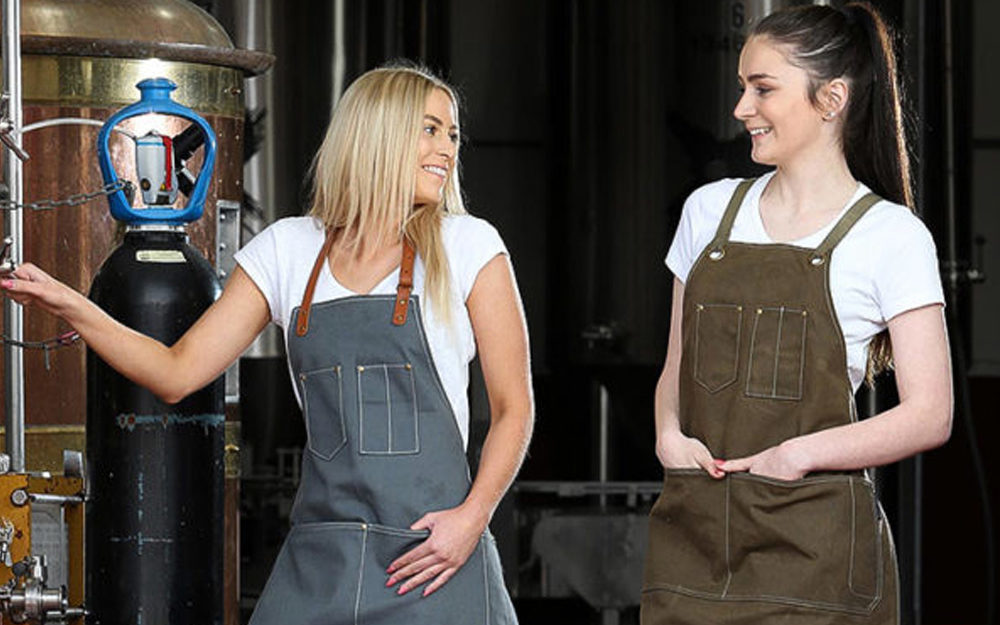
In Australia, that matters because the accommodation and food services sector has a large workforce, and pocketed aprons fit the front-of-house and back-of-house utility work that sector depends on. In a busy room, a pocket is not decoration, it is storage for order pads, pens, thermometers, and sanitising items within arm's reach. That practical idea comes from utility clothing, where aprons were built as tool carriers before they were treated as plain protective wear.
Practical rule: if a small item gets used repeatedly during a task, the apron should carry it, not a benchtop.
For a butcher shop owner, that means treating the apron the way you would treat a knife pouch or a scale, as part of the workflow system. One internal example worth reviewing is the PSC Trading leather apron range, because leather often suits work where abrasion resistance and hard-wearing use matter more than lightness. The point is not to buy the toughest-looking garment. The point is to choose the one that fits the job without creating new cleaning or handling problems.
Choosing Your Apron Material for Durability and Cleaning
Material choice decides whether an apron earns its keep or turns into another item that's hard to launder and unpleasant to wear. In wet prep, raw-meat handling, and wash-down areas, the main question is simple, can the fabric be cleaned quickly and consistently without trapping residue. That's where TPU, PVC, waxed canvas, and leather diverge sharply.

TPU and PVC in wet, hygiene-heavy work
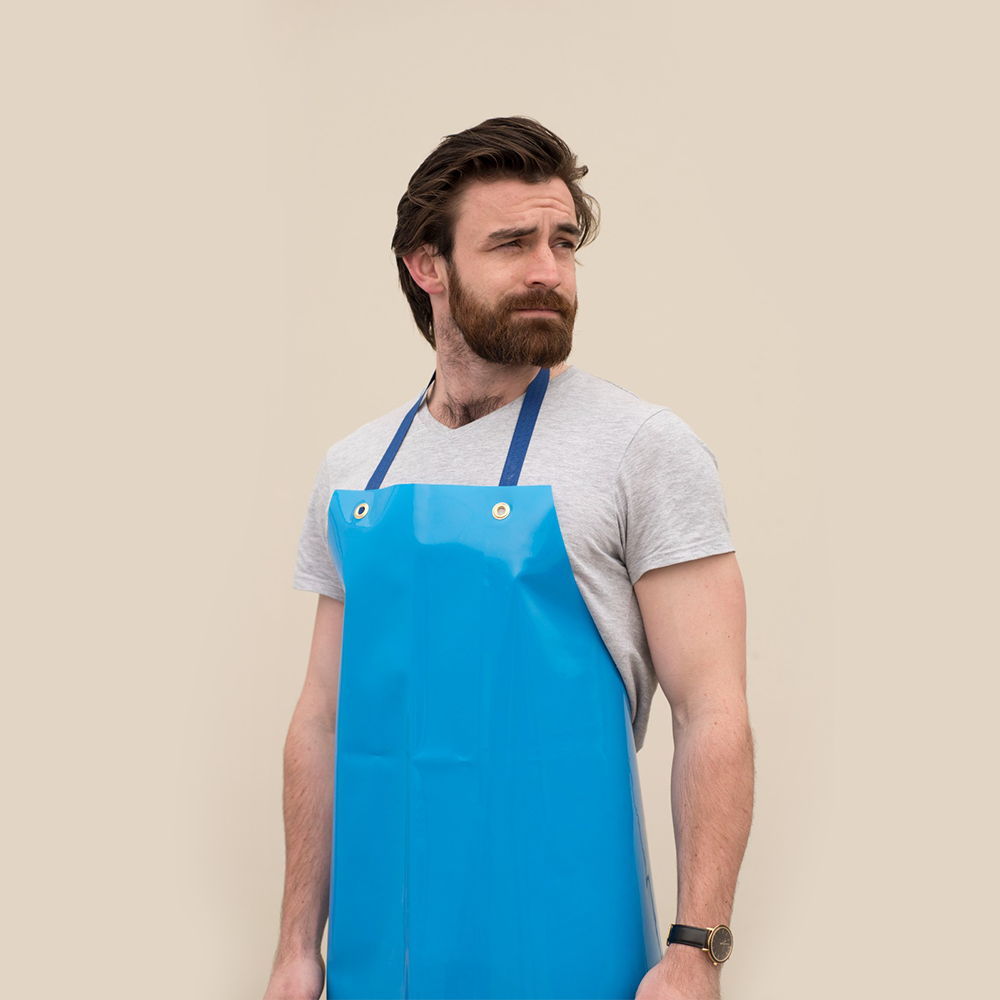
TPU and PVC are the obvious picks where waterproofing and easy sanitising come first. The provided evidence notes that these materials are favoured in meat-processing because they're waterproof, easy to sanitise, and able to survive repeated laundering and chemical cleaning in high-wash procurement environments, including settings shaped by the National Plastics Plan TPU and PVC material guidance. If you're running a boning room, abattoir line, or any area where the apron gets splashed often, a smooth, wipeable surface makes more sense than a soft textile that drinks in moisture.
A water-resistant apron with limited pocket depth also suits splash-heavy work better than a bulky fashion-style garment, because deep, stiff pockets can hold liquid and slow drying after cleaning spec sheet guidance on pocket design. That's a real trade-off. You give up some softness and maybe some visual appeal, but you get faster wipe-downs and less risk of residue sitting in seams.
Waxed canvas for utility without full wet-room demands
Waxed canvas sits in the middle. It's useful when a buyer wants a tougher textile with a more traditional feel, but it still isn't the first choice for raw-meat wash-down work. If the role is front-of-house service, casual retail, or light prep, waxed canvas can make sense because it balances utility and wear resistance without the clinical look of plastic-based materials.
Leather for abrasion and heavy use
Leather works when abrasion resistance and durability are the main priorities. It handles hard wear well, and that's why it keeps appearing in butcher and industrial apron ranges, especially where tools, benches, and constant movement chew through softer fabrics. The trade-off is maintenance. Leather is heavier, and it needs more care than a wipe-clean synthetic if the environment involves frequent wash-downs or heavy contamination.
Buy for the cleaning method you actually use, not the one you wish you used.
What to tell a supplier
If you need a short specification, say it plainly. For wet rooms, ask for TPU or PVC. For drier service work, ask whether waxed canvas or leather is a better fit. If you want to compare a dedicated procurement option, PSC Trading's TPU versus PVC apron guide is a practical starting point because it speaks directly to butcher and food-processing use rather than general fashion aprons.
Pocket Configuration for Different Workflows
Pocket layout has to suit the station. A butcher, a café runner, and an abattoir line worker do not use an apron in the same way, and pocket placement should reflect that. The right setup keeps small items within reach, reduces fumbling, and avoids turning the apron front into a snag point or a place where contamination builds up.

Match pocket shape to the job
For butcher work, one reinforced pocket placed clear of the knife belt is usually more practical than a broad front pocket that catches on tools and bench edges. In a kitchen, narrow pockets for pens, thermometers, tweezers, or order pads are often the better fit because each item has a defined place and does not shift around during service. Front-of-house staff usually need the lightest pocket arrangement possible, because they are moving quickly and do not want extra bulk around the waist.
Pocketed aprons have a long practical history in hospitality. The function has stayed the same over time, carrying cleaning items and tools from one task to the next, and that is still how pocketed aprons support modern service work, where pockets hold order pads, thermometers, and sanitising items historical apron use in hospitality. In a busy Australian kitchen or butcher shop, that makes pocket design a work-efficiency decision, not a style choice.
Wet areas need simple pocket construction
In wet prep zones, shallow pockets are safer than deep ones. The more volume, seams, and folds a pocket has, the more likely it is to hold water, debris, or cleaning residue. A flat pocket that can be turned out and cleaned properly is usually the better choice in a raw-meat room or wash-down area.
Practical rule: if a pocket can collect sludge, scales, or liquid, it is working against hygiene.
The question is not how many pockets the apron has. It is whether the pockets can be cleaned quickly, dried properly, and kept out of the way of the task. If they cannot, the layout is wrong for that station. For butcher-specific tool carry, the butcher knife pouch guide is useful because it shows why apron pockets and knife storage should not be forced into the same role.
Use a simple decision order
- Choose the role first: butchery, prep, service, or cleaning.
- Choose the tools next: thermometer, pens, wipes, markers, or nothing at all.
- Choose the pocket depth last: shallow for hygiene, deeper only when the workflow really needs it.
A good apron pocket should stay out of the way until the moment it is needed. If it pulls on the apron front, slows movement, or gathers debris, it is the wrong design for that station.
Navigating Food-Grade and Waterproofing Requirements
Food environments don't forgive vague choices. An apron can look clean and still be a poor choice if its pockets, seams, or fabric hold moisture and soil. In Australian food work, the selection has to support sanitation, not just appearance, because the apron is part of the control system that helps keep contamination out of the workflow.
Under Safe Work Australia's model WHS framework, an apron with pockets is only suitable if it doesn't introduce new risks like entanglement or contamination, and the choice needs to be part of a formal risk assessment rather than a style preference Safe Work Australia framework note. That applies directly to butcher shops and commercial kitchens. If a pocket snags on equipment, traps liquid, or makes cleaning slower, it's not a neutral feature.
Food-grade starts with cleanable surfaces
The Food Standards Code requires premises, fixtures, fittings, equipment, and food contact surfaces to be maintained clean, and that pushes apron buyers toward materials and construction that can handle repeated sanitation. In practice, that means pocket edges, side seams, and hems have to be made so they don't trap soil or moisture after a shift Food Standards Code cleaning requirement context. A smooth apron with simple construction is easier to bring back to a hygienic state than one with decorative folds and deep stitched pockets.
For raw-meat use, welded or highly sealed constructions are safer than complicated sewn-on pocket assemblies. The reason is straightforward. Every extra seam is a place for residue to sit, and every bit of retained moisture slows the drying cycle after cleaning.
Waterproofing only matters if it survives cleaning
A waterproof apron that delaminates, cracks, or holds odour isn't useful in a busy facility. The material has to resist repeated wash-down and the cleaning chemistry used on site, otherwise the apron becomes a maintenance headache. That's why TPU and PVC remain strong options in meat rooms, while softer textile pockets are usually better kept for dry or front-of-house work.
If you're buying for a site with mixed tasks, split the apron spec by zone. Raw handling should prioritise non-porous, easy-to-sanitise surfaces. Service staff can use lighter, more flexible materials if the apron won't be exposed to the same cleaning demands.
A clean-looking apron is not the same thing as a cleanable apron.
For buyers, the practical question is whether the apron can be cleaned in a way that matches the site's hygiene routine. If the answer depends on careful hand-washing, special drying, or avoiding certain chemicals, it may not be the right apron for food work at all.
Sizing Fastening Systems and Accessory Compatibility
A good apron sits correctly before it does anything else. If the straps dig into the neck, the waist ties loosen during service, or the bib rides up while you bend, the garment starts fighting the wearer. Comfort matters here because fatigue builds when clothing is awkward, and awkward clothing gets ignored or adjusted constantly.
Fastening systems should match the work zone
Traditional ties are simple and familiar, but they're not always the safest choice near moving equipment. Quick-release buckles can make more sense where an apron might need to come off fast, while hook-and-strap setups can help when teams need repeated adjustability across multiple wearers. The right choice depends on the shift, the risk, and how often the apron is taken on and off.
Cross-back straps are often easier on the neck than narrow neck loops, especially during longer shifts. That's one reason many wearers prefer them when the apron is part of an all-day uniform rather than a short service stint. The fit needs to support movement without creating bulk over other gear.
Compatibility with other tools matters
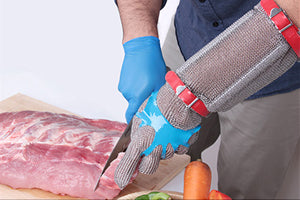
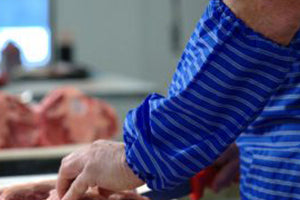
A butcher's apron doesn't work in isolation. It has to sit alongside a butcher belt, knife pouch, gloves, and sometimes sleeve protection without bunching up or shifting the load awkwardly. The apron cut should leave room for the belt line and shouldn't force the pockets to overlap with blade storage.
PSC TRADING Co PTY LTD manufactures and supplies industrial and hospitality aprons for food-industry and butcher use, including aprons with different fastening systems and accessory options. That matters because the apron has to work with the rest of the workstation, not compete with it.
Practical rule: if the apron and belt fight for the same space, the design is wrong.
Fit checks before you buy
- Coverage: does the bib protect the body where splash and abrasion happen?
- Movement: can the wearer bend, reach, and rotate without tugging the ties?
- Overlap: do apron pockets sit clear of the knife pouch and tool belt?
- Security: does the fastening stay put through a full shift?
A well-fitted apron should vanish into the routine. The wearer should notice the tools they can reach, not the clothing they have to keep fixing.
Your Selection Checklist for the Right Apron
The cleanest buying decision starts with the messiest part of the job, your real working conditions. If the apron is for raw-meat handling, the material and pocket design have to support cleaning. If it's for service, the pockets need to help with speed without creating bulk. If it's for mixed duties, the apron has to be chosen zone by zone, not as a one-size-fits-all compromise.
Use this checklist before you place an order
- Material Suitability: does the fabric offer the right durability, water resistance, and cleanability for your site?
- Pocket Configuration: are the pockets placed where the wearer can use them without snagging or contamination risk?
- Fastening System: will the apron stay secure and comfortable through a full shift?
- Sizing and Fit: does it cover enough, move well, and suit the body type that will wear it?
- Accessory Compatibility: can it work with knife pouches, belts, towel loops, or other station gear?
Make the choice by work zone
For wet rooms, lead with TPU or PVC and simple pockets. For dry prep or service, you can consider more textile-based options if hygiene demands are lower. For heavy-duty butcher work, prioritise abrasion resistance, pocket placement, and clean lines that don't interfere with tool carry.
What to ask the supplier
Ask how the apron cleans, where the pockets sit, how the seams are finished, and what it's designed to carry. If the supplier can't answer those questions clearly, keep looking. The right apron is the one that fits the task, the cleaning routine, and the rest of the gear on the station.
For Australian buyers who want to brief a supplier properly, one useful way to phrase it is, “I need an apron for this zone, with these tools, in this cleaning environment.” That keeps the conversation focused on performance, not looks.
If you're buying for a butcher shop, meat room, or commercial kitchen, map your work zones first, then shortlist aprons by material, pocket design, and fastening system. If you need a practical supplier conversation starter, review PSC Trading's apron range and pick the model that matches your cleaning routine, tool carry, and workflow before you place the next order.
