

You're probably looking at two kinds of aprons right now.
One is the usual retail BBQ apron. It looks the part, has a clever slogan, maybe a couple of pockets, and it seems fine until the first proper cook. Then the fat spits, the sauce splashes, you wipe your hands on it without thinking, and by the end of the session the thing is blotchy, damp, and hanging crooked off your neck.
The other situation is even messier. You're not just grilling snags and steaks. You're trimming brisket, breaking down primals, making sausages, or processing game at home. That's where a standard cotton apron stops being useful and starts becoming a liability. It soaks up fluid, holds smell, stains badly, and takes far too long to clean properly.
That's the gap most BBQ blogs ignore. A serious BBQ apron for men often needs to do more than survive smoke and heat. It may also need to handle raw meat, grease, water, wash-down cleaning, and long hours on your feet without dragging on your neck or getting in the way. The answer usually isn't a novelty apron. It's a purpose-built apron borrowed from butcher shops, prep rooms, and commercial kitchens.
Table of Contents
- Your Search for the Ultimate BBQ Apron Ends Here
- Beyond Cotton Why Apron Material Matters Most
- Understanding Food Grade and Safety Standards
- Finding the Perfect Fit and Fastening System
- Pockets Tool Loops and Workstation Organisation
- Use Case Recommendations The Right Apron for the Job
- How to Choose Your Next High Performance Apron
Your Search for the Ultimate BBQ Apron Ends Here
A lot of men buy a BBQ apron the same way they buy tongs at the supermarket. Quick decision. Good enough. Looks sturdy from the front.
Then they use it on a real job.
A standard cotton apron might survive casual burgers on a gas grill. It usually struggles once you add rendered fat, sticky marinades, charcoal dust, long sessions at the smoker, or any kind of butchery prep. The neck strap starts biting. The lower half gets soaked. The pockets sag. If you hang a thermometer, towel, gloves, or shears on it, the whole apron starts pulling in the wrong direction.
Practical rule: Buy your apron for the messiest job you actually do, not the cleanest one you imagine.
That's why the smartest buyers often stop searching in the “BBQ gift” category and start looking at trade gear instead. Butchers, kitchen staff, and food processors wear aprons as working equipment. They don't care if the apron looks rustic on a product page if it turns into a wet rag halfway through the shift.
For backyard grilling only, a heavy canvas or leather apron can make sense. For trimming meat, handling raw product, or repeated clean-up, professional materials do a better job. If you want to see the kind of apron range that sits closer to trade use than novelty retail, have a look at top quality aprons built for working conditions.
The question isn't “Which apron looks best?” It's “What am I asking this apron to survive?” Once you answer that, the shortlist gets much tighter.
Beyond Cotton Why Apron Material Matters Most
Material decides almost everything. Comfort. Clean-up. Heat handling. Fluid protection. How long the apron lasts. Whether it stays usable after repeated dirty jobs.

Most buyers get distracted by colour, pockets, and branding. Start with the fabric instead. If the material is wrong, no strap system or tool loop will save it.
Traditional fabric aprons
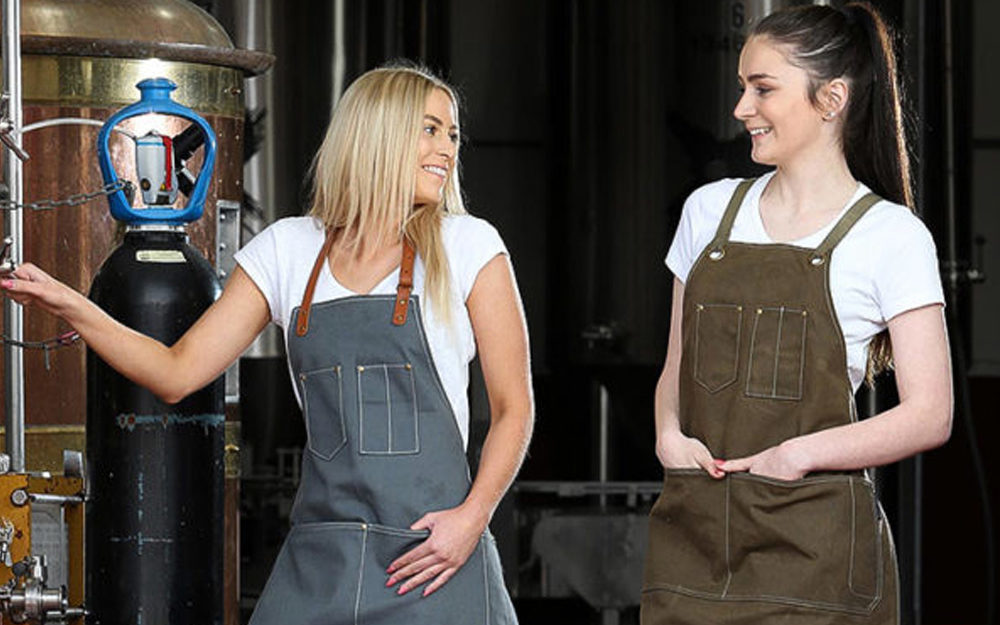
Cotton, canvas, and denim are popular because they're comfortable, familiar, and easy to wear around heat. They also look good, which matters to plenty of people. If your main job is tending a smoker, checking bark, turning chops, and carrying a thermometer and towel, fabric aprons are still useful.
There's a catch. Fabric absorbs mess. The verified data for the Australian market notes that uncoated cotton can absorb up to 7x its dry weight in fluids within 30 seconds, while heavyweight cotton with an acrylic coating offers better resistance to soak-through and stain penetration in food-processing and hospitality use, and aligns with the cleanable, non-absorbent requirements discussed in Australia's food handling context.
In practice, that means this:
- Plain cotton works for light grilling: Good comfort, decent heat handling, poor defence against raw meat fluid and grease.
- Canvas gives more structure: Better durability than light cotton, but it still isn't the right choice for wet processing jobs.
- Coated fabric sits in the middle: Better wipe-down performance, but still not the same thing as a true waterproof work apron.
Leather aprons
Leather earns its place for fire work, live-fire cooking, and jobs where sparks, rough surfaces, and sharp edges are part of the day. It handles abuse well and can protect against brief splatter better than thin fabric. A proper leather apron also hangs nicely once broken in.
The trade-off is maintenance. Leather is heavier, less forgiving in hot weather, and slower to clean after greasy or bloody work. If you're doing long prep on raw meat, leather can become more trouble than it's worth. It's better for grill-side protection than wet hygiene work.
If you want one apron for fire management and rough handling, leather makes sense. If you want one apron for trimming meat and then washing down fast, it usually doesn't.
PVC and TPU aprons
Often, consumer advice falls short. PVC and TPU don't get talked about enough in BBQ buying guides, but they solve problems that canvas and leather can't.
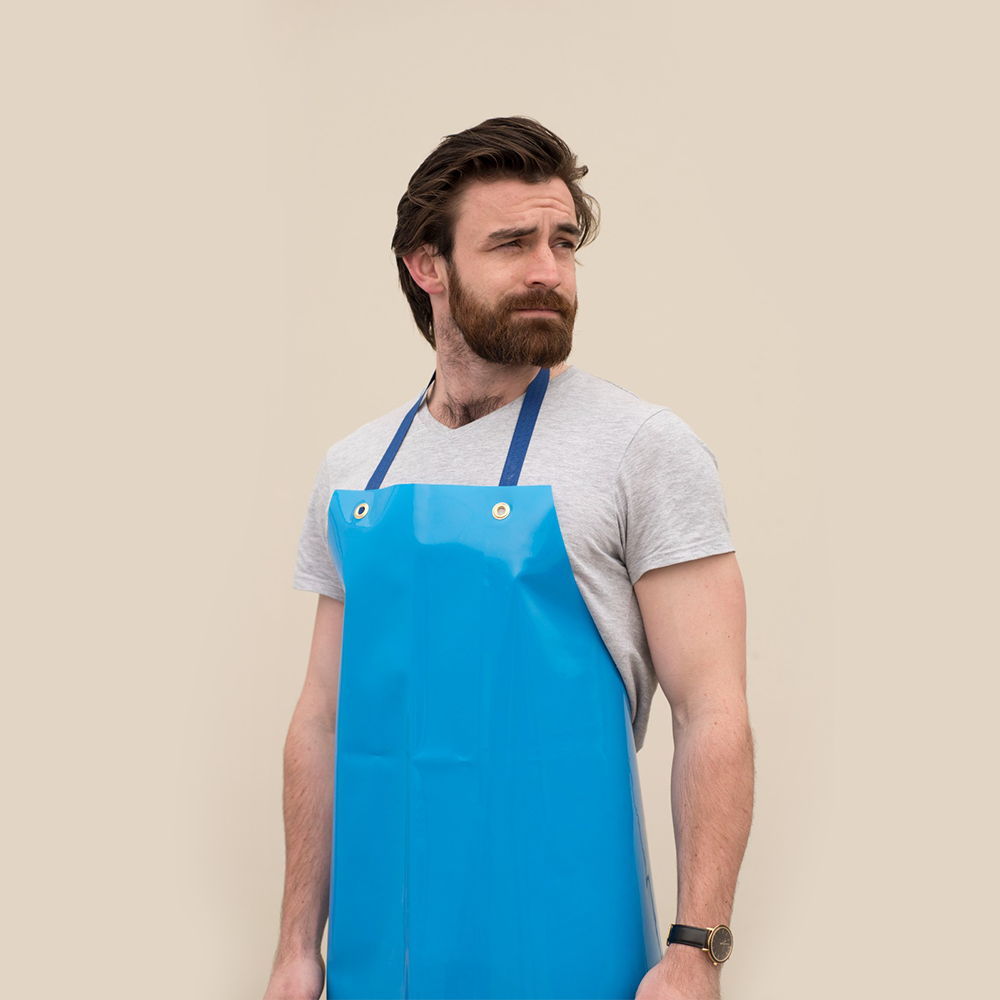
They're made for wet jobs. Blood, brine, marinades, fat, and rinse water don't soak in the same way. You can clean them quickly. They don't need babying. For anyone who processes meat at home, that matters more than a rustic look.
There's also a real gap in mainstream buying advice for the home butcher. Most consumer content stays focused on cotton and leather. It rarely helps the buyer who grills on Saturday and breaks down a lamb shoulder on Sunday. That's why guides comparing trade materials are useful, including this TPU vs PVC apron guide for Australian butcher buyers.
One more point on comfort. Strap design changes how any material feels in use. For Australian male users in grilling and meat-processing environments, cross-back harness aprons with adjustable straps in the 50–60 inch circumference range reduced neck strain by 35% compared with standard neck-loop designs, according to the cited ergonomic reference in this cross-back apron guide. A heavy apron with the wrong strap setup feels worse than a heavier apron with the right one.
Understanding Food Grade and Safety Standards
If you handle raw meat, “food grade” isn't marketing language. It's the line between an apron that wipes clean and an apron that holds contamination.
What food grade actually means
For plastic materials used around food contact, Australian Standard AS 2070:1999 sets the baseline. The standard defines material requirements so food-grade plastics must not migrate into, contaminate, or taint food, and must be impervious to grease, food particles, and water. That's why TPU and PVC are relevant in wet wash-down work. The reference is outlined in this summary of Australian food contact material rules under AS 2070:1999.
That matters in plain terms. If you're trimming brisket on the bench and your apron front is porous, every splash has somewhere to sit. If your apron is non-porous and designed for wash-down use, you can clean it properly and get back to work without carrying yesterday's mess into today's prep.
A lot of home users underestimate this because they aren't running a commercial room. The physics don't change at home. Raw meat fluid still soaks into absorbent fabric. Fat still clings. Bacteria don't care whether the bench is in an abattoir or under your patio.
Water resistant is not waterproof
This is the mistake I see most often. Buyers hear “water resistant” and assume it's enough.
It isn't, not for butchery or heavy prep.
Water-resistant fabric might shrug off a few splashes. Waterproof workwear is built so fluid doesn't penetrate the material in normal use. If you're carrying trays, leaning against wet benches, rinsing down gear, or working through several cuts in one session, the difference becomes obvious quickly.
A practical buying filter is simple:
- For light grill use: Water-resistant can be enough.
- For raw meat prep: Waterproof is the safer choice.
- For repeated wash-down: Non-porous, easy-clean materials are the standard to look for.
Food businesses also work under rules that protective materials must be fit for purpose and not contaminate food. If you want a clearer picture of how trade suppliers think about hygiene systems around protective gear, this overview of food safety practices and HACCP thinking in Australia is useful background.
Finding the Perfect Fit and Fastening System
A badly fitted apron becomes annoying in ten minutes and exhausting in a long session. It shifts when you bend, pulls when you load the pockets, and starts fighting you every time you reach across the bench or over the grill.

Why strap design matters
Neck-loop aprons are common because they're simple. Throw them on, tie the back, done. For short cooking jobs, that's fine. The problem starts when the apron gets heavier from thick material, bigger pockets, or actual tools.
Cross-back aprons spread the load better. They keep weight on the shoulders and upper back instead of hanging it off the neck. That matters if you're carrying tongs, thermometer, towel, gloves, or a pouch, and it matters even more if the apron itself is substantial.
The ergonomic figure cited earlier is worth paying attention to. Cross-back harness aprons with adjustable straps in the 50–60 inch circumference range reduced neck strain by 35% compared with standard neck-loop designs in the cited reference. You feel that difference most during long prep, not in the first five minutes.
A good fit should disappear once you start working. If you keep noticing the apron, something is wrong.
Fasteners that hold their position
The tie system matters as much as the strap layout. Soft cloth ties can work on a light apron, but they often loosen when you twist, crouch, or lean hard into a bench. That's irritating at a smoker. It's worse at a cutting table.
What holds up better in real use:
- Buckles: Good when you want a fixed fit that doesn't creep loose.
- Heavy flat straps: Better than flimsy cords when the apron has weight.
- Hook systems: Useful in trade environments where parts need replacing without throwing out the whole apron.
What usually disappoints:
- Thin decorative straps: They look tidy and feel cheap after a few sessions.
- Slippery ties: Fine until the apron starts shifting left every time you bend.
- One-size systems with poor adjustment range: They work for nobody particularly well.
If you're broad through the chest or spend hours at the grill, the fit test is easy. Load the pockets, bend forward, reach sideways, and tie it once. If it loosens, rides up, or drags on your neck, move on.
Pockets Tool Loops and Workstation Organisation
An apron isn't just clothing. It's part of your workstation. Used properly, it saves steps, keeps tools in reach, and stops you from cluttering the bench with bits and pieces you need every few minutes.

Carry what you use
The best pocket layout depends on the job. A grill cook and a home butcher don't carry the same gear.
For BBQ, a chest pocket is handy for a pen, probe, or notepad. Lower pockets can carry gloves, towel, or sauce brush. Tool loops help if you use tongs or shears often enough to justify hanging them there.
For butcher-style prep, I prefer the apron to stay cleaner and flatter, with heavier items carried on a separate belt or pouch. That keeps the apron from sagging and stops sharp or bulky gear from knocking into the bench every time you turn.
A workable setup usually looks like this:
- Chest area for small essentials: Thermometer, marker, tasting spoon, or phone if the pocket closes securely.
- Waist area for soft items: Towel, gloves, paper, light tools.
- Separate belt or knife pouch for serious carry: Better balance, faster access, less apron drag.
Don't turn your apron into a junk drawer
Too many pockets can be as bad as too few. Once the apron becomes storage for everything, the front gets heavy and starts pulling away from the body. That's uncomfortable near a hot grill and clumsy at the bench.
A clean setup beats a busy one. Keep the apron for the items you touch constantly. Put the rest at your station.
This clip shows the kind of practical apron use and setup that makes sense when tools are part of the workflow:
For heavier organisation, pairing an apron with butcher belts and knife pouches is often smarter than expecting fabric pockets to do all the work. That's especially true when you're moving between grill, prep bench, and sink.
Use Case Recommendations The Right Apron for the Job
There isn't one perfect apron for everyone. There's a right apron for the job you do most.

The easiest way to choose is to stop shopping by style and start shopping by workload.
The weekend BBQ warrior
This buyer cooks outdoors regularly and cares about heat handling, comfort, and decent tool access. Think charcoal grilling, offset smoker sessions, reverse searing, fire management, and long afternoons standing near live heat.
A good choice here is usually heavy canvas, waxed canvas, or leather.
Why it works:
- Canvas and waxed canvas feel familiar and comfortable for long cooks.
- Leather handles rough grill-side use well.
- These materials look better with age if you don't mind visible wear.
Where they fall short:
- They're not the cleanest option for raw meat processing.
- They need more maintenance after greasy or bloody jobs.
- Heavy models need a proper strap system or they'll punish your neck.
For this user, I'd prioritise cross-back support, solid waist ties or buckles, and pockets that hold a thermometer, towel, and gloves without sagging.
The serious home butcher
This is the buyer most blogs miss. He grills, but he also trims brisket, portions primals, makes sausages, processes game, or does bulk prep at home. Style still matters, but hygiene and clean-up matter more.
For this job, TPU or PVC is the practical answer.
Why:
- These materials are better suited to wet, messy prep.
- They clean faster.
- They make more sense around blood, fat, rinse water, and repeated wipe-downs.
Trade suppliers often offer more utility than lifestyle brands. PSC TRADING Co PTY LTD manufactures Australian-made aprons in TPU, PVC, waxed canvas, and leather, along with straps, hooks, butcher belts, and knife pouches. That product mix suits buyers who want one source for both the apron and the workstation accessories.
If you break down meat at home, buy like a butcher, not like a gift shopper.
A dual-apron setup also makes sense here. Keep one canvas or leather apron for live-fire cooking. Keep one waterproof apron for raw prep and clean-up. That's often the most practical compromise.
The hospitality professional
Commercial users need gear that holds up under repetition, cleans properly, and suits a workplace where hygiene is not optional. In Australian meat retailing, that's not a small niche. The Fresh Meat, Fish and Poultry Retailing industry is projected at $8.0 billion in 2026 and comprises 4,143 businesses across Australia, according to IBISWorld's industry profile.
That scale tells you something simple. A lot of people work in environments where aprons are not decorative. They're standard protective equipment.
For this user, I'd recommend:
- Waterproof material: TPU or PVC for wet areas and repeated cleaning.
- Stable fastening: Buckles, flat straps, or replaceable hook systems.
- Easy sanitation: Smooth surfaces that don't trap product.
- Fit that lasts through a shift: Cross-back if the apron or carried load has any weight.
Daily practicality matters more than personality here. Commercial aprons get judged by whether they stay cleanable, stay put, and survive real use.
How to Choose Your Next High Performance Apron
If you want to buy once and buy properly, run through a short checklist before you order.
First, decide your main task. If you mostly manage a grill or smoker, canvas, coated cotton, or leather may be enough. If you regularly handle raw meat, a waterproof apron makes more sense.
Second, decide your main risk. Heat and sparks point you one way. Blood, grease, wash-down, and messy prep point you another.
Third, check fit and fastening. A heavy apron with a poor neck strap gets old fast. A lighter apron with a stable cross-back harness can feel better for hours.
Fourth, be honest about cleaning. In meat-processing and hospitality settings, aprons worn by food handlers must be clean and washed daily to prevent bacterial transfer, as set out in the MLA guidelines for safe retailing of meat and meat products. Even at home, the same habit is worth borrowing. Dirty aprons don't become safer because the job is happening in your own shed or kitchen.
A good BBQ apron for men should work like any other solid bit of gear. It should suit the job, stay comfortable, clean up without drama, and last longer than one season. If an apron can't handle grease, moisture, and movement, it's not workwear. It's a costume.
If you grill seriously, trim meat at home, or need an apron that behaves like a tool instead of a prop, choose by material first, fit second, and storage third. That order saves money and frustration.
