




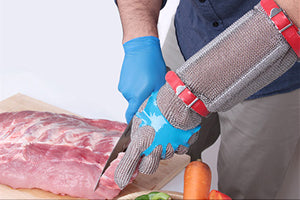



Knife work is part of the daily routine in butcher shops, commercial kitchens and meat-processing facilities. Whether a worker is trimming, slicing, boning or portioning, their protective equipment needs to suit the task without making controlled movement unnecessarily difficult.
The Cut Resistant Glove – Food Grade from PSC Trading is designed for food-handling environments where sharp tools are used regularly. It provides an added layer of hand protection for Australian professionals while fitting into established workplace safety and hygiene procedures.
Why Cut-Resistant Hand Protection Matters
Even experienced knife users work in conditions that can increase risk. Repetitive movements, wet surfaces, changing product shapes and busy production schedules can all affect grip and concentration.
A cut resistant glove creates a protective barrier between the worker’s hand and potential contact with a sharp edge. It doesn’t replace correct knife technique, proper training or a well-maintained workstation. Instead, it forms one part of a broader safety system.
That system may also include:
-
Correctly selected and maintained knives
-
Stable cutting boards and preparation surfaces
-
Documented knife-handling procedures
-
Appropriate protective clothing
-
Regular equipment inspections
-
Workplace training and supervision
Protection is most effective when the glove is suitable for the task, fits correctly and is used consistently.
Made for Food-Handling Workplaces
General-purpose work gloves are not automatically suitable for food preparation. A food-grade cut resistant glove is intended for environments where hygiene and controlled handling are essential parts of daily operations.
This type of glove may be useful in:
-
Independent butcher shops
-
Supermarket meat departments
-
Abattoirs and meat-processing facilities
-
Poultry and seafood preparation
-
Commercial kitchens
-
Catering operations
-
Food-production workplaces
-
Butchery training environments
Each workplace should assess its own tasks and requirements before selecting protective gloves. The correct choice may vary depending on the knife being used, the type of product handled, the frequency of cutting and the site’s safety procedures.
Fit Is Just as Important as Protection
A glove that is too loose may move during detailed work. One that is too tight may feel restrictive during a long shift. The best fit should sit securely on the hand while allowing the worker to maintain controlled movement.
Before use, check that the glove:
-
Matches the wearer’s hand size
-
Sits securely around the fingers and palm
-
Does not bunch or shift during movement
-
Allows the hand to close naturally
-
Works with any compatible tensioner or fastening system
-
Suits the worker’s left- or right-hand requirements
Workers should never modify a glove to improve the fit. If it doesn’t sit correctly, select another size or compatible model.
Check the Required Protection Level
“Cut resistant” is not a universal rating. Gloves can be produced for different hazards and levels of protection, so buyers should review the product information carefully before purchasing.
Confirm that the selected glove is appropriate for the intended task and complies with the workplace’s safety requirements. If your team follows a specific standard or cut-protection level, verify those details against the product specifications rather than assuming suitability from the product category alone.
PSC Trading can help customers compare practical butcher PPE and food-processing safety equipment for their workplace needs.
Inspect the Glove Before Every Shift
A quick inspection can identify damage before the glove enters the preparation area. Hold the glove under good lighting and check the entire surface, including the fingertips, palm, seams, cuff and fastening areas.
Look for:
-
Cuts, tears or punctures
-
Loose or damaged fibres
-
Worn sections
-
Changes in shape
-
Damaged fasteners
-
Residue from previous use
-
A fit that has become loose or uncomfortable
If there is any doubt about the glove’s condition, remove it from use and follow the workplace procedure for assessment or replacement.
Cleaning, Drying and Storage
Food-processing PPE should be cleaned according to the manufacturer’s instructions and the workplace’s documented hygiene program. Avoid guessing which chemicals, water temperatures or drying methods are suitable, as the wrong process may affect the glove.
After cleaning, inspect the glove again and allow it to dry as directed. Store it in a designated clean area away from damaged tools, contaminated equipment and uncontrolled surfaces.
Where gloves are assigned to individual workers, clearly organised storage can also make pre-shift checks and equipment control easier.
A Practical Addition to an Australian Butcher’s PPE Kit
Good hand protection should support the work being done—not become an afterthought once the shift has started. A food-grade cut resistant glove gives butchers, chefs and processing teams a dedicated option for tasks involving knives and sharp equipment.
The right glove will depend on the worker, the task and the workplace’s risk assessment. Taking the time to confirm fit, condition and suitability helps teams build a safer and more organised preparation setup.
Shop Food-Grade Cut Resistant Gloves in Australia
PSC Trading supplies practical butcher safety equipment and food-processing PPE for professional workplaces across Australia.
Explore the Food-Grade Cut Resistant Glove and other hand-protection products from PSC Trading Australia. Review the product specifications and select the option that matches your workplace requirements before ordering.
