

An apron can look suitable on a product page and still fall short once the shift begins. If it doesn’t provide enough front coverage or its surface isn’t intended for the substances encountered at work—it may not suit the job being performed.
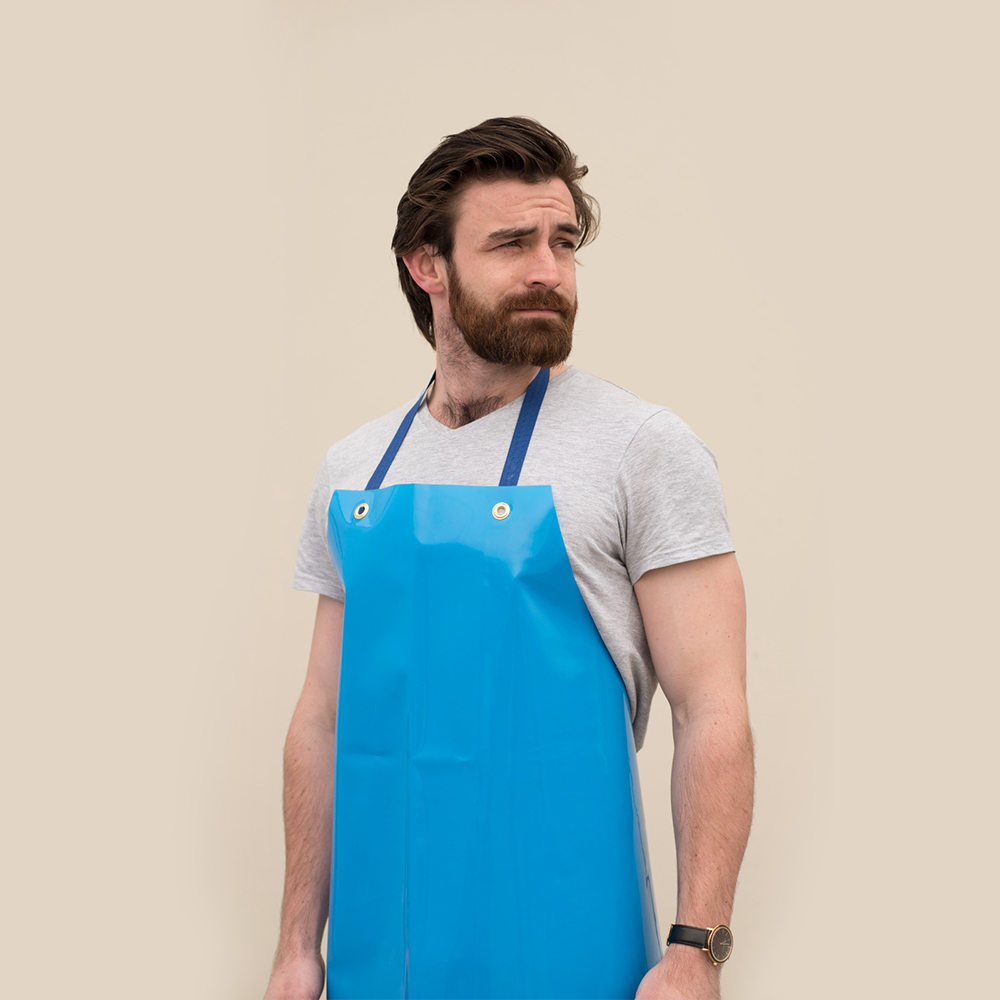
PSC Trading’s PVC Apron 820 × 1220 | Durable, Oil & Blood-Resistant Work Apron is designed for demanding Australian workplaces where splashes and contact with oil or blood can be part of daily operations. Its 820 × 1220mm format provides generous coverage across the front of the wearer, while the PVC construction creates a practical protective layer over approved work clothing.
Why the 820 × 1220mm Size Matters
Apron dimensions affect how much of the wearer’s clothing and body area the product covers. A narrow or short apron may leave areas exposed during preparation, handling or wash-down tasks.
At 820mm wide and 1220mm long, this PVC work apron is designed to extend across the torso and down the front of the legs. That makes it relevant for roles where employees work close to benches, products, equipment or wet preparation areas.
Before selecting any apron, compare its stated dimensions with:
-
The wearer’s height and build
-
The position of the apron when fitted
-
The tasks being performed
-
The movement required during the shift
-
Other clothing or protective equipment being worn
-
The workplace’s minimum coverage requirements
Measurements provide a useful starting point, but the complete fit should always be checked on the intended wearer.
Oil- and Blood-Resistant PVC Construction
The apron features a PVC surface described as resistant to oil and blood. This makes it a purpose-focused option for workplaces where ordinary fabric aprons may not provide the surface characteristics required for the task.
Resistance doesn’t mean the apron is suitable for every chemical, temperature, hazard or working condition. It should be assessed against the specific substances and processes present at the site.
Supervisors should confirm that the apron is appropriate for the intended role and doesn’t conflict with other required protective equipment.
The PVC apron may be relevant where workers need a protective outer layer during tasks involving:
-
Meat preparation
-
Cutting and trimming
-
Product handling
-
Bench work
-
Processing operations
-
Cleaning and wash-down activities
-
Other approved food-production duties
Always follow the workplace’s risk assessment and protective-equipment procedures when assigning workwear.
Designed for Demanding Meat-Industry Workplaces
The PSC Trading PVC apron may suit a range of professional Australian operations, including:
-
Independent butcher shops
-
Supermarket meat departments
-
Abattoirs and boning rooms
-
Meat-processing facilities
-
Poultry-processing workplaces
-
Seafood-processing operations
-
Commercial kitchens
-
Food-production plants
-
Butchery training environments
Each workplace has different hazards, hygiene controls and protective-clothing requirements. An apron suitable for one department may not be approved for another.
Before use, confirm the required apron material, dimensions, coverage and attachment method for the employee’s assigned duties.
An Apron Is One Part of the Workwear System
A PVC apron provides front coverage, but it shouldn’t be treated as a complete protective system on its own.
Depending on the task and workplace assessment, employees may also require:
-
Approved work clothing
-
Protective footwear
-
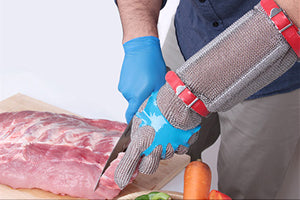
Cut-resistant equipment
-
Gloves
-
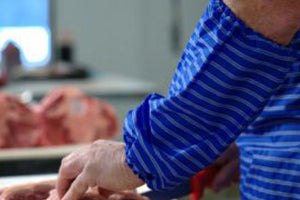
Arm protection
-
Eye or face protection
-
Headwear
-
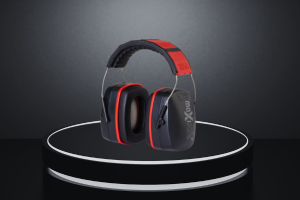
Hearing protection
-
Other role-specific personal protective equipment
The apron should sit correctly with the rest of the workwear. It must not obstruct access to required tools, interfere with other protective items or create an avoidable snagging hazard.
If the employee uses a butcher’s belt or knife pouch, check how the complete arrangement fits together before work begins.
Check the Fit Before the Shift
An apron may provide generous coverage but still need adjustment to suit the wearer. The neck and waist attachments should be positioned according to the product guidance so the apron sits securely without unnecessary restriction.
Once fitted, the employee should test normal movements such as:
-
Walking
-
Bending
-
Reaching
-
Turning
-
Working at bench height
-
Moving between preparation areas
The lower edge should not create a tripping hazard, and the apron shouldn’t shift excessively during routine movement.
If it catches on equipment, restricts access to tools or doesn’t remain in its intended position, adjust the setup before entering the active work area.
Inspect the PVC Apron Before Every Use
A quick visual and physical inspection can identify damage before the apron is worn during production.
Check for:
-
Cuts, punctures or tears
-
Cracking or splitting
-
Changes in the PVC surface
-
Damaged edges
-
Loose or compromised fasteners
-
Stretched attachment points
-
Residue from a previous shift
-
Any change that affects coverage or fit
Pay particular attention to areas that flex repeatedly or connect to straps and fasteners. Damage in these locations may affect how securely the apron sits.
If the apron is compromised, remove it from use and follow the workplace’s assessment or replacement procedure.
Cleaning and Storage
Food-processing workwear should be cleaned according to the supplied product instructions and the facility’s documented hygiene program.
Don’t assume the apron can be exposed to any cleaning chemical, water temperature or sanitizing method simply because it is made from PVC. Confirm the approved process before routine cleaning begins.
After cleaning:
-
Inspect the surface for remaining residue
-
Check the attachment points
-
Prepare the apron according to workplace procedures
-
Store it in the designated clean-equipment area
-
Keep it separate from used or unprepared workwear
Avoid folding or storing the apron in a way that may place unnecessary stress on the material. Follow the product guidance for appropriate storage.
Choosing the Right Quantity for Your Team
When purchasing aprons for several employees, consider more than the number of people rostered for one shift.
A workplace may also need allowances for cleaning cycles, replacement stock, different departments and changes between production tasks.
Before ordering, review:
-
The number of apron users
-
Shift patterns
-
Cleaning turnaround times
-
Department allocation
-
Replacement procedures
-
Storage capacity
-
Workplace colour-coding requirements, if applicable
This helps procurement teams maintain an organized supply without assigning an unsuitable apron simply because another option isn’t available.
Shop PVC Work Aprons in Australia
When the job involves oil, blood and frequent splashes, apron material and coverage deserve careful consideration.
PSC Trading’s PVC Apron 820 × 1220mm combines generous front coverage with a durable, oil- and blood-resistant surface for demanding butcher and food-processing environments. It’s a practical workwear option for Australian teams that need purpose-focused protection suited to their approved tasks.
Shop PVC aprons and professional food-processing workwear online at PSC Trading Australia.
