

A lightweight kitchen apron may be suitable for serving food or handling dry ingredients, but it isn’t designed for every production environment. Butchers, seafood processors and commercial food teams regularly work around oil, blood, water and preparation residue. In these settings, apron material and coverage matter.
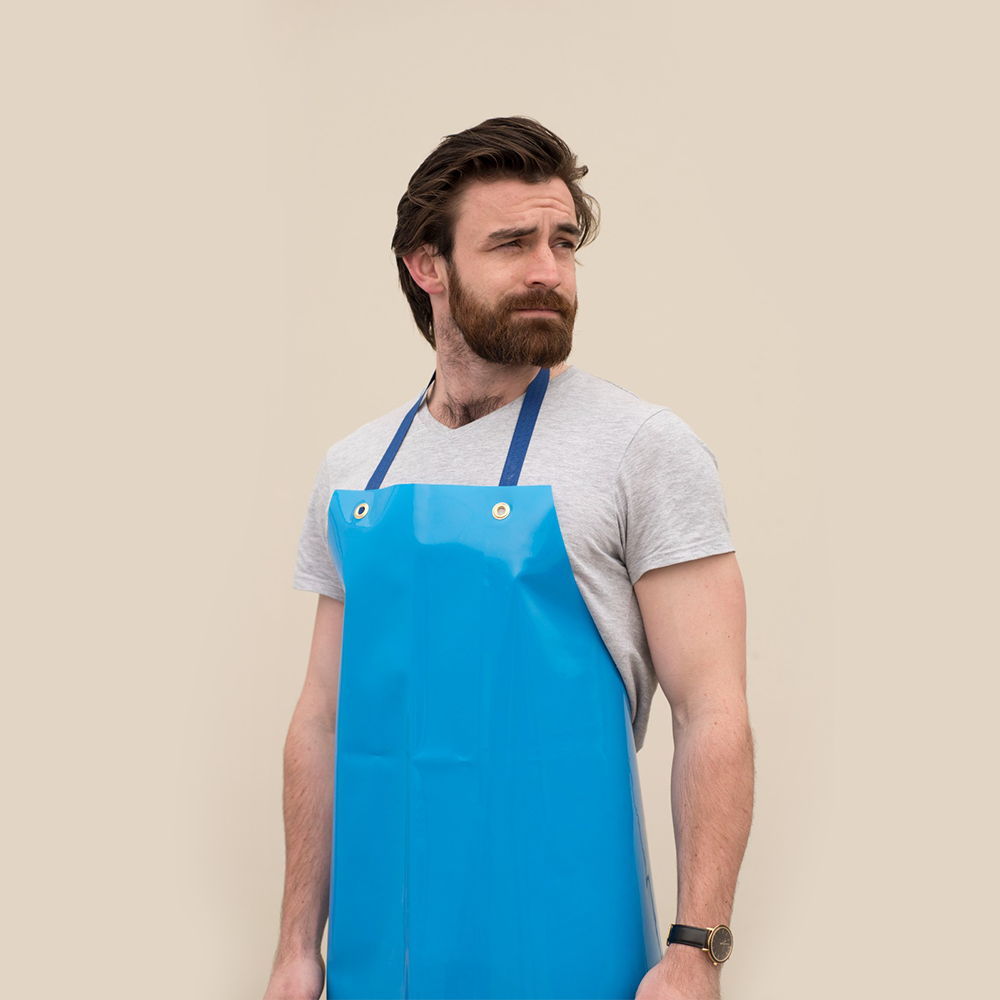
The PVC Apron 820 × 1220mm | Durable, Oil & Blood-Resistant Work Apron from PSC Trading provides generous front coverage with a practical PVC surface. It is designed for Australian workplaces that need dependable workwear for messy, hands-on tasks.
What Does 820 × 1220mm Coverage Mean?
Apron measurements can be easy to overlook when purchasing workwear online, yet they determine how much of the wearer’s uniform is covered.
This PSC Trading PVC apron measures:
-
820mm across
-
1220mm long
The 820mm width provides broad coverage across the front of the body, while the 1220mm length extends down the wearer’s clothing. This format can be particularly useful at cutting benches and processing stations where splashes may occur above and below the waist.
Fit will vary according to the wearer’s height, build, uniform and movements required for the role. Businesses should compare the dimensions with their team’s needs before ordering rather than relying on a one-size assumption.
Oil- and Blood-Resistant PVC Surface
Ordinary fabric can absorb liquids and become difficult to manage during demanding food-processing work. This apron’s PVC construction provides an oil- and blood-resistant outer surface suited to appropriate workplace tasks.
The PVC layer creates a practical barrier over the wearer’s regular work clothing. It can help keep uniforms covered when staff are working around meat, oily ingredients and processing residue.
“Resistant” does not mean the apron is suitable for every liquid, chemical, temperature or workplace hazard. The business should assess the apron against the actual task and use it within its established workwear procedures.
Made for Work That Goes Beyond Light Kitchen Prep
There is a clear difference between a decorative hospitality apron and workwear intended for processing environments.
The PSC Trading PVC Apron is relevant to roles where splashes and residue are part of the working day. Its long, straightforward design prioritises front coverage rather than pockets, decorative details or unnecessary features.
It may be suitable for:
-
Independent butcher shops
-
Supermarket meat departments
-
Abattoirs and boning rooms
-
Meat-processing facilities
-
Poultry-processing operations
-
Seafood preparation areas
-
Commercial kitchens
-
Food-manufacturing workplaces
Every workplace has different conditions. The apron should be selected according to the employee’s duties, work area and site requirements.
Why Apron Coverage Matters
When an apron is too narrow or too short, parts of the wearer’s uniform may remain exposed during routine preparation work. An oversized apron, however, can interfere with walking, bending or other equipment.
The 820 × 1220mm format provides substantial coverage, but the wearer should still test the fit before entering the production area.
Once fitted, check that the apron:
-
Covers the intended area of the uniform
-
Allows the wearer to walk comfortably
-
Does not drag on the floor
-
Does not obstruct access to required tools
-
Works with other approved workwear
-
Remains appropriately positioned during normal movement
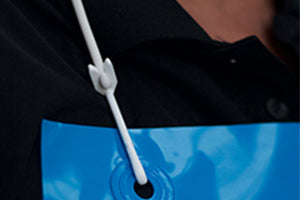
Any straps or fastening points should be adjusted according to the product design and workplace procedure.
Part of a Complete Food-Processing Workwear Setup
A PVC apron is one layer within a wider workwear system. It should not be treated as a replacement for other equipment required by the role.
Depending on the task, a complete setup may also include:
-
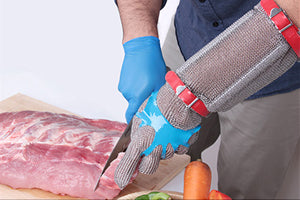
Cut-resistant hand protection
-
Protective footwear
-
Safety glasses
-
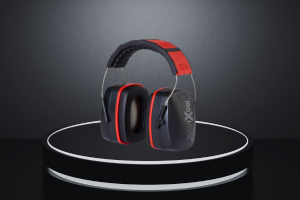
Hearing protection
-
Hair and beard coverings
-
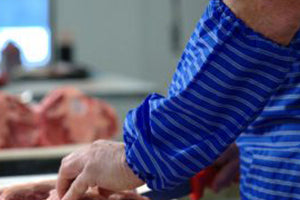
Protective sleeves
-
Mesh aprons or other task-specific equipment
All items should work together without creating unnecessary bulk or restricting movement. Before the shift begins, employees should confirm that the PVC apron does not obstruct another required item.
Choosing Work Aprons for an Australian Team
When purchasing food-processing aprons for multiple employees, price is only one part of the decision. Buyers should also consider how the apron will be used during a normal shift.
Useful questions include:
-
Does 820 × 1220mm provide the coverage required?
-
Will the apron be worn over light clothing or layered workwear?
-
Are oil and blood common in the assigned work area?
-
What movements does the employee perform?
-
Will other protective equipment be worn at the same time?
-
How will the apron be cleaned, inspected and stored?
-
When should worn aprons be removed from use?
Answering these questions helps purchasing managers choose workwear based on actual site needs rather than a generic product category.
Inspect the Apron Before Use
Durable workwear still needs routine inspection. Small cuts or weakened areas may become more noticeable once the apron is being worn and moved throughout a shift.
Before use, check the full PVC surface, edges and fastening points.
Look for:
-
Cuts, tears or punctures
-
Cracking or worn areas
-
Damage around the edges
-
Problems with straps or fastening points
-
Residue remaining from previous use
-
Changes affecting fit or coverage
If the apron is damaged, remove it from use and follow the workplace’s process for assessment or replacement.
Cleaning and Storage
PVC aprons used in professional food environments should be cleaned under the workplace’s documented hygiene program.
Follow the supplied care directions for the correct cleaning products, method and temperature. Do not assume that every PVC garment can be washed or sanitised in the same way.
During cleaning, check:
-
The complete front and reverse surfaces
-
Edges and corners
-
Strap attachment areas
-
Folds where residue may remain
-
Any section showing early wear
After cleaning, store the apron in its designated equipment area. Avoid folding or placing heavy equipment on top of it if doing so may affect its shape or surface.
Shop PVC Work Aprons in Australia
Workwear should reflect the conditions employees face during a real shift.
PSC Trading’s PVC Apron 820 × 1220mm combines generous front coverage, durable construction and an oil- and blood-resistant surface. It is a practical option for Australian butchers, abattoirs, seafood processors and commercial food businesses managing demanding preparation work.
Explore the PVC Work Apron and other professional food-processing supplies online at PSC Trading Australia.
