

Some workwear designs stay relevant because they do the job without unnecessary complication. The striped butcher apron is one of them. Its familiar appearance has long been associated with professional meat preparation, but the real value lies in the coverage and practicality it brings to a busy working shift.
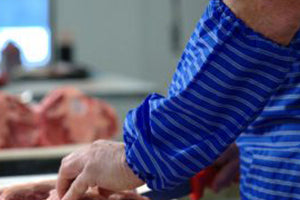
PSC Trading’s Traditional Butcher Stripe Bib Apron combines a recognizable striped design with 220gsm poly-viscose fabric. It is a professional workwear option for Australian butcher shops, supermarket meat departments, delicatessens and food-service teams looking for a smart, consistent uniform.
A Traditional Look That Customers Recognize
Presentation matters in customer-facing butcher shops. Before a customer speaks with a staff member or views the products in the display, the team’s clothing already communicates something about the business.
A traditional butcher stripe apron creates a clear connection with the trade. It looks familiar without feeling like a costume and gives staff a coordinated appearance behind the counter.
That makes it particularly suitable for:
-
Independent butcher shops
-
Supermarket meat departments
-
Delicatessens
-
Farm shops
-
Specialty food retailers
-
Commercial kitchens
-
Hospitality and catering teams
-
Food-service training environments
The striped design works well in businesses that want their uniforms to feel professional, practical and grounded in the tradition of the trade.
Why Choose a Bib Apron?
A waist apron protects only the lower section of the wearer’s clothing. A bib apron extends upward across the front of the torso, making it a more practical format for tasks performed at benches, counters and preparation stations.
This added front coverage can help protect ordinary work clothing from everyday splashes and processing residue during appropriate tasks. It also creates a more complete uniform appearance when staff move between food preparation and customer service.
A bib apron may be a useful choice for workers who:
-
Spend long periods at a preparation bench
-
Move between the work area and retail counter
-
Handle unpackaged food products
-
Need consistent front coverage
-
Wear an apron as part of a team uniform
The apron should still be selected according to the task. It does not replace specialised protective equipment required for cutting, processing, chemical exposure or other workplace hazards.
What 220gsm Means for Workwear
Fabric weight is an important detail when comparing professional aprons. GSM stands for grams per square metre and indicates the weight of the fabric rather than the overall weight of the finished apron.
At 220gsm, this butcher apron has a substantial workwear feel without being described as an excessively heavy garment. It is a practical fabric weight for businesses looking for an apron that presents well during regular service and food-preparation duties.
Fabric weight is only one part of the buying decision. Purchasing managers should also consider:
-
The tasks performed by the wearer
-
How long the apron will be worn
-
The temperature of the working environment
-
The uniform worn underneath
-
The business’s cleaning routine
-
How frequently aprons are rotated or replaced
Checking these factors helps businesses choose workwear based on real operating conditions rather than appearance alone.
Why Use Poly-Viscose Fabric?
Poly-viscose combines polyester and viscose fibres in one fabric. This blend is commonly selected for uniforms and workwear where businesses want a balance between practical performance and a presentable appearance.
For a butcher stripe apron, the fabric helps create a structured, professional look that suits both preparation and customer-facing environments. The apron can be incorporated into an existing uniform without making the overall presentation feel overly industrial.
The supplied product information and care label should always be followed when cleaning the apron. Fibre blends, trims and construction details can vary, so businesses should not assume that every poly-viscose garment has identical washing requirements.
Suitable for Front-of-House and Preparation Work
Not every member of a butcher-shop team performs the same role. Some staff work mainly at the cutting bench, while others serve customers, restock displays, package orders or move between several areas throughout the day.
The traditional butcher stripe bib apron can help create a consistent team appearance across these different duties. A staff member can move from preparation work to the counter without looking out of place in either setting.
Potential applications include:
-
Customer service behind the butcher counter
-
General food preparation
-
Packing and order assembly
-
Deli service
-
Catering preparation
-
Product demonstrations
-
Butchery classes and training
-
Market and event service
Each workplace should assess whether a fabric bib apron is appropriate for the actual task and any exposure involved.
Build a Consistent Butcher-Shop Uniform
Uniforms are easier to manage when every item has a clear purpose. A practical butcher-shop setup may include a work shirt, suitable trousers, approved footwear and an apron selected for the employee’s role.
Depending on the task, additional equipment may include:
-
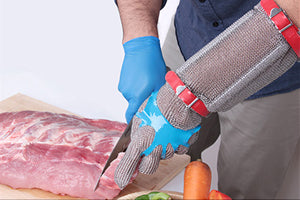
Cut-resistant protection
-
A mesh apron
-
Protective gloves
-
Safety glasses
-
A butcher’s belt and knife pouch
-
Other site-required equipment
The striped bib apron should fit comfortably over the worker’s normal uniform without preventing other required equipment from being worn correctly.
For customer-facing teams, consistent apron styling can also make employees easier to identify and create a more cohesive appearance across the shop floor.
Check the Fit Before Starting Work
An apron may look simple, but its position affects how comfortable it feels during a full shift. Before work begins, the wearer should check that the neck loop and waist ties sit correctly and that the apron provides the expected front coverage.
Once fitted, walk, bend and reach as the role normally requires. Check that:
-
The apron does not restrict normal movement
-
The hem does not create a trip or snagging risk
-
The waist ties remain secure
-
The bib sits appropriately across the torso
-
Required protective equipment can still be worn correctly
If the apron shifts excessively or interferes with another item, adjust it before entering the work area.
Cleaning and Care
Aprons used in food businesses should be managed under the workplace’s documented uniform and hygiene procedures.
Check the garment before cleaning and follow the attached care instructions. Pay attention to the ties, neck loop, seams and edges, as these areas experience frequent handling.
Before each use, look for:
-
Tears, holes or worn fabric
-
Loose or damaged stitching
-
Frayed ties
-
Permanent residue or staining
-
Changes affecting the apron’s fit
-
Damage that may make it unsuitable for the task
Store clean aprons in their assigned area, away from used garments and other potential sources of contamination. If an apron is damaged, follow the workplace’s procedure for repair, assessment or replacement.
Shop Traditional Butcher Stripe Aprons in Australia
A good butcher apron should support the work being performed while helping the team look professional behind the counter.
PSC Trading’s Traditional Butcher Stripe Bib Apron combines classic trade styling, practical bib coverage and 220gsm poly-viscose fabric. It is a straightforward uniform option for Australian butchers, delicatessens and food-service businesses that value a neat, recognisable presentation.
Shop the Traditional Butcher Stripe Bib Apron and explore PSC Trading’s professional butcher workwear online in Australia.
