
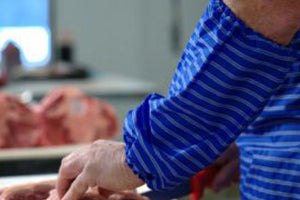

Some workwear designs remain popular because they communicate the role immediately. The traditional striped butcher apron is one of them. It looks familiar, professional and connected to the trade without feeling like a costume.
PSC Trading’s Traditional Butcher Stripe Bib Apron is made from 220gsm poly-viscose, giving Australian butcher shops, delicatessens, cafés and commercial kitchens a practical uniform option with a recognizable trade-inspired appearance.
It’s well suited to businesses that want everyday front coverage while maintaining a consistent, polished presentation across the team.
A Traditional Look Customers Recognize
Uniforms influence how customers perceive a business before a conversation even begins. In a butcher shop or delicatessen, a striped bib apron creates an immediate visual connection with preparation, service and professional food handling.
That familiar appearance can work particularly well in customer-facing areas where staff move between the preparation bench and service counter.
A coordinated apron style can help a business:
-
Present a more consistent team image
-
Make employees easier for customers to identify
-
Reinforce a traditional butcher-shop atmosphere
-
Keep personal clothing covered during routine work
-
Create a clear distinction between workwear and casual clothing
-
Maintain a professional appearance in product photos and social content
The stripe is distinctive without requiring a large logo or complicated uniform design.
Why Choose a 220gsm Poly-Viscose Apron?
Fabric weight is worth considering when choosing an apron for regular workplace use. At 220gsm, this butcher stripe apron provides buyers with a clear material specification when comparing uniform options.
The poly-viscose construction combines two commonly used textile fibres in one fabric. Rather than choosing an apron based on appearance alone, businesses can consider the material, weight, intended tasks and workplace care requirements together.
Before purchasing for a team, consider:
-
How often the apron will be worn
-
Whether employees work primarily in preparation or customer service
-
What clothing will be worn underneath
-
How the apron fits within the workplace laundry process
-
Whether additional protective clothing is required for particular tasks
-
How many aprons each employee needs across the working week
A fabric bib apron is useful for general preparation and presentation, but it should not be treated as waterproof, cut-resistant or chemical-protective clothing unless the product information specifically confirms those properties.
Full Bib Coverage for Everyday Tasks
A bib apron extends across the front of the torso, creating more coverage than a waist apron. This makes it a practical option for roles where employees regularly prepare, package, portion or serve food.
The design may suit everyday tasks such as:
-
Serving customers at a butcher counter
-
Preparing packaged meat products
-
Restocking display cabinets
-
Handling wrapped or boxed goods
-
Completing routine kitchen preparation
-
Working in a café, deli or bakery service area
-
Cleaning preparation surfaces according to workplace procedures
Actual coverage will depend on the wearer and how the apron is adjusted. Employees should test the fit before beginning work to confirm that the apron sits comfortably and does not interfere with normal movement.
Suitable for More Than Butcher Shops
Although the stripe has strong roots in traditional butchery, its clean professional appearance can work across several Australian food and hospitality businesses.
The apron may be suitable for:
-
Independent butcher shops
-
Supermarket meat departments
-
Delicatessens
-
Specialty food retailers
-
Commercial kitchens
-
Cafés and casual dining venues
-
Bakeries
-
Catering teams
-
Food-production workplaces
-
Butchery and hospitality training environments
The best use will depend on the business’s uniform policy, hygiene program and the tasks assigned to each employee.
Build a Consistent Team Uniform
A good uniform should be recognisable without making the wearer uncomfortable or restricting the job. The apron can be paired with approved workplace clothing and footwear to create a simple, repeatable team look.
For customer-facing teams, consider using the same apron style across the service counter while keeping shirts, trousers and footwear within a defined colour palette. This gives the business a coordinated appearance without overcomplicating uniform ordering.
When introducing the apron:
-
Confirm that the style suits the employee’s role.
-
Check the fit over the clothing normally worn at work.
-
Make sure the apron allows comfortable reaching and bending.
-
Keep loose straps clear of equipment.
-
Confirm that any required PPE can be worn correctly with it.
-
Establish a process for cleaning, storage and replacement.
Uniform consistency works best when every employee understands how each item should be worn and maintained.
Inspect the Apron Before Each Shift
Aprons used regularly should be checked before entering a preparation or service area. Small issues are easier to manage before the shift becomes busy.
Look for:
-
Tears, holes or pulled fabric
-
Fraying along the edges
-
Damage around straps or attachment points
-
Staining or residue from previous use
-
Changes that affect the fit
-
Loose sections that may catch on workplace equipment
-
Any condition that makes the apron unsuitable for the assigned role
If the apron is damaged or has not been prepared according to the workplace’s hygiene procedures, remove it from use until it has been assessed.
Cleaning and Storage
Always follow the care information supplied with the apron and the business’s documented laundry and hygiene procedures. Poly-viscose garments can vary in their recommended washing, drying and ironing conditions, so assumptions should not be made based on the fabric name alone.
Before laundering, check the apron for stains and visible damage. After cleaning, confirm that it is dry, presentable and ready for use before returning it to the uniform area.
Store clean aprons separately from used workwear. For teams wearing the apron daily, maintaining enough stock for laundering and replacement can help prevent employees from having to reuse an apron before it has been properly prepared.
Shop Traditional Butcher Aprons in Australia
A professional uniform doesn’t need to be complicated. A recognizable striped apron can give staff practical front coverage while reinforcing the traditional character of a butcher shop, deli or food-service business.
PSC Trading’s Traditional Butcher Stripe Bib Apron – Poly Viscose 220gsm brings a familiar trade-inspired look to modern Australian workplaces. It’s a straightforward option for businesses that value consistent presentation and practical everyday workwear.
Shop traditional butcher stripe aprons and explore professional food-industry clothing online at PSC Trading Australia.
