

You're probably seeing the same thing many kitchen and processing managers see every week. One staff member turns up in Crocs Bistro clogs, another asks if they can swap out their issued boots for something lighter, and someone in purchasing wants a simple yes or no answer. Are Crocs cooking shoes safe enough for the job, or are they a shortcut that creates a bigger WHS problem later?
In a light-duty café, that answer might be different from the answer on a boning room floor. In a butcher shop with wet tiles, fat on the ground, stainless benches, hooks, mincers, bandsaws, apron straps and constant hose-downs, footwear has to do more than feel comfortable. It has to match the hazards underfoot and the compliance standard attached to the role.
Table of Contents
- Are Crocs Cooking Shoes a Workplace Hazard
- The Appeal of Crocs for Kitchen Staff
- A Professional Guide to Footwear Safety Features
- The Compliance Question and Australian Standards
- Recommended Footwear for High-Risk Environments
- Final Verdict Matching Shoes to Your Workspace
Are Crocs Cooking Shoes a Workplace Hazard
A kitchen manager notices Crocs everywhere because they solve an obvious problem. Staff stand for long shifts, floors get wet, and anything that rinses clean quickly gets attention. That doesn't make the shoe safe for every workplace. It only means the shoe is popular.
The popularity of specialist kitchen footwear isn't accidental. The global market for slip-resistant kitchen shoes was valued at $1.8 billion in 2025 and is projected to reach $2.36 billion by 2034, growing at a CAGR of 5.2%. That tells you buyers are taking grip and safety more seriously, not less seriously.
In practice, “hazard” isn't a label you stick on a brand. It depends on the task, the surface, the exposure and the consequence of failure. A prep cook working a dry sandwich line faces a different risk profile from a slaughter floor hand stepping through water, fat and wash-down residue while carrying product around a corner.
Practical rule: Judge Crocs cooking shoes the same way you'd judge a knife pouch, glove or apron. Start with the hazard assessment, then check whether the item controls that hazard.
A quick butcher shop example makes the point. If a worker is trimming at a bench beside a heavy-duty mincer, walking across wet ground to tubs, and moving around other staff with hooks and trays, the shoe needs stable grip, proper coverage and protection from dropped objects. If it can't provide those things, comfort won't rescue the decision.
Managers who want a stronger boot option for wet conditions often compare clogs with purpose-built gumboots such as those discussed in this guide to Xtremegrip white polyurethane gumboots for demanding workplaces. That's the right comparison. Not fashion versus tradition, but task versus control.
The Appeal of Crocs for Kitchen Staff
Crocs took off because they remove friction from the working day. Staff can slide them on quickly, wear them through a long service and wash them down without much effort. In hospitality, convenience spreads fast. Once a few reliable operators start wearing the same shoe, others follow.
That happened in Australia with the Bistro line. Crocs' Bistro chef clog line gained mainstream traction in Australia around 2006 and by 2025 had become a dominant choice in butcher and meat-processing workflows, reflecting a global trend where the iconic clog design accounts for about 80% of the brand's total sales. On a floor level, that popularity makes sense.
Why workers keep choosing them
In commercial kitchens, staff usually mention the same practical advantages:
- Low weight: A lighter shoe can feel less tiring than a heavy boot during long periods on hard floors.
- Easy wash-down: Foam clogs are simple to hose off after sauce spills, batter, grease or general kitchen mess.
- Quick dry surface: They don't soak through in the same way some traditional materials can.
- Simple replacement: Teams know the brand, know the fit, and often reorder without much thought.
A line cook finishing a double shift may care more about sore feet than certification language. A café owner might see a closed-toe clog and assume that's close enough to a safety shoe. That's where bad decisions start. Workers judge comfort from the top down. Safety officers have to judge exposure from the ground up.
Where the appeal is strongest
Crocs cooking shoes usually look most attractive in settings like these:
| Work setting | Why Crocs appeal |
|---|---|
| Small café kitchen | Lightweight and easy to clean |
| Bakery prep area | Quick on and off between tasks |
| Catering back-of-house | Comfortable for standing work |
| Light food prep room | Closed toe feels more protective than ordinary casual shoes |
Those same reasons can mislead buyers in heavier environments. A shoe can be comfortable, washable and familiar, yet still be the wrong choice for a butcher room, kill floor support area or meat packing zone.
Staff often confuse “good enough for service” with “good enough for processing”. Those are not the same decision.
That distinction matters even more when the rest of the PPE system is clearly built for fluid exposure. If a site issues waterproof aprons, sleeve protection and wash-down gear, footwear shouldn't be the weak point just because a clog feels easier to wear.
A Professional Guide to Footwear Safety Features
The right way to assess Crocs cooking shoes is to strip the brand out of the conversation and test the shoe against the hazard. On a food-processing site, I'd check four things first. Grip, puncture and impact protection, spill resistance, and stability through the heel and ankle.
A clog can perform acceptably in one category and still fail the overall job.

Start with the floor, not the brand
Slip resistance is the first question people ask, and rightly so. In a restaurant, the floor hazard might be water, detergent and food scraps. In a butcher room, add fat, protein residue and wash-down water moving across smooth surfaces. Initial tread feel in a dry showroom doesn't tell you much about how the sole behaves halfway through a shift.
Check these points on the floor:
- Surface type: Smooth sealed tiles, resin floors and stainless transition plates all behave differently.
- Contaminant type: Water is one thing. Fat, oil and slurry change the risk completely.
- Tread condition: A sole that performs when new may not perform the same after wear.
- Cleaning pattern: A tread that packs up with debris loses value quickly.
For anyone comparing options for workplace footwear, commercial footwear protection options used in food and industrial settings are a better benchmark than casual comfort shoes.
What happens when something goes wrong
Now look at the consequences of failure. If someone drops a boning knife, meat tray, shackle part or metal tool, what protects the foot? With a soft foam clog, the answer is limited. There's no reinforced toe cap, no puncture-resistant sole and no meaningful barrier against sharp or heavy impact.
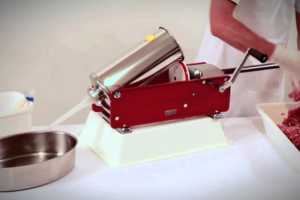
That matters around equipment. Under the national unit AMPRET205 for preparing minced meat and minced meat products, workers are trained to use heavy-duty stainless steel mincers suitable for large restaurants, catering kitchens and butcheries. Once heavy equipment and sharp tools are part of the daily workflow, footwear has to be assessed like other PPE, not like a comfort item.
A simple floor example:
- A worker carries a tub to the mincer.
- Another operator has just washed down the area.
- A hook or blade is being moved to the sanitising point.
- Someone slips, twists, or drops the load on their own foot or another worker's foot.
Round-the-floor handling gear also changes the exposure. Round meat hooks made from 6-inch stainless, food-grade, heavy-duty material are used professionally across butcher shops and abattoirs in Australia. That's ordinary trade equipment. If tools, hooks and metal fixtures are normal in the work zone, open or lightly protected footwear deserves extra scrutiny.
Later in the shift, it helps to see the assessment in action:
Cleaning matters, but it is not the whole test
Crocs do have a genuine practical advantage in cleaning. The material is non-absorbent and easy to rinse. In a kitchen, that's useful. In a meat room, it's only one part of the decision.
Ask three harder questions:
- Can liquid get in over the top or through openings? If yes, the shoe may stay clean while the foot gets contaminated.
- Does the upper protect against hot splashes or chemical contact? If not, sanitation and fry-line exposures remain.
- Does the heel hold the foot securely during quick turns, backing up, or stepping over hoses? If not, a good tread pattern alone won't solve instability.
Cleanability is a hygiene feature. It isn't automatically a safety feature.
That's the line many buyers miss. A washable clog can be excellent for tidiness and still be a poor control for impact, penetration and severe slip hazards.
The Compliance Question and Australian Standards
A supervisor on a boning room walkthrough sees two pairs of shoes on the same floor. One worker is in certified safety boots. Another is in foam chef clogs bought because they were comfortable and easy to wash. If a knife drops, a trolley clips a foot, or caustic wash-down runs over the instep, comfort stops being the main question. Compliance and task suitability become the issue.
The common mistake is treating a chef shoe category as if it covers every food workplace. It does not. Hospitality, retail butchery, smallgoods production and abattoir processing can sit under the same broad food banner while carrying very different footwear risks. That gap catches buyers out.

CE is not the same as AS/NZS
This point needs to be stated plainly. CE marking does not establish compliance with Australian occupational footwear requirements. A product may be suitable for some lower-risk hospitality tasks and still fall short for Australian meat-processing roles that call for specific protective features, documented assessment and footwear matched to site hazards.
On Australian sites, the test is practical. Does the footwear meet the standard your role requires. Does it match the hazards in the risk register, SWMS and PPE issue rules. Can you defend that decision after an injury, a regulator visit, or an internal audit. If the answer is uncertain, the shoe should not be approved for that area.
I see this problem most often where purchasing decisions are made from product marketing rather than from the task. "Slip resistant chef shoe" is a product description. It is not a site assessment.
In an abattoir or high-throughput butcher room, approval usually needs more than a comfort trial and a tread check. Procurement teams should look for evidence that the footwear is appropriate for impact exposure, sharp tools, fluid ingress, chemical cleaning, underfoot instability and repeated wash-down. If a visitor or contractor only needs short-term hygiene control in a lower-risk zone, heavy-duty boot and shoe covers for controlled site entry may help with contamination management, but they do not replace task-appropriate protective footwear in production areas.
What procurement teams should ask before approval
Before any Crocs-style cooking shoe is signed off for workplace use, ask:
- Which exact task and area is this for? Counter service, prep kitchen, slaughter floor and offal room are different risk environments.
- What standard or internal PPE rule applies to that role? Local requirements matter more than overseas product badges.
- What hazards are recorded for that area? Knife drops, hooks, pallet jacks, hot liquid, blood, fat, sanitisers and hose-down exposure all change the decision.
- Does the shoe have the construction to handle the shift pattern? A shoe that feels fine for two hours can fail early under daily wash-down and hard-surface stop-start work.
- Can the business justify the issue in writing? If the reason cannot be clearly documented, approval is weak.
If you cannot write a clear, hazard-based reason for issuing the shoe in that work area, do not issue it.
Worker preference still matters, but it does not decide PPE suitability. The business retains responsibility for providing footwear that fits the risk level of the job. On a meat floor, that often rules out the kind of chef clog people assume will be acceptable everywhere.
Recommended Footwear for High-Risk Environments
When the environment moves from hospitality service into meat processing, the footwear brief changes. The right option is usually a fully enclosed work shoe or boot with stronger upper material, secure heel structure and protection that matches the role. In higher-risk areas, that often means safety boots rather than clogs.

What best practice looks like on a meat floor
A butcher room or abattoir wash-down area exposes footwear to more than ordinary kitchen mess. You've got standing water, fat, repeated cleaning, stainless edges, mobile tubs, hooks, knife work and constant stop-start movement on hard surfaces. Footwear needs to survive that environment, not just get through a service.
There's also a durability gap that buyers should take seriously. While Crocs claim slip-resistance, no peer-reviewed study from 2024–2025 evaluates their long-term durability in high-fluid, wash-down abattoir conditions, and Safe Work Australia reported in 2024 that 32% of industry injuries involve slippery surfaces. That doesn't prove Crocs fail in every wet setting. It does mean the evidence many buyers would want for a harsh meat-processing environment isn't there.
On high-risk sites, I'd normally look for features like these:
- Enclosed upper: Leather, TPU or other durable non-porous material that protects against spill entry better than an open design.
- Toe protection: Steel or composite where crushing or dropped-object exposure exists.
- Stable heel: A defined rear structure that holds the foot during turning, stepping and backing away from equipment.
- Sole built for site conditions: Not just marketed as grippy, but matched to the floor and contamination type used on site.
- Wash-down compatibility: Material and construction that clean effectively without breaking down too quickly.
Compare the job, not the marketing
One useful comparison is to line up footwear with the rest of the PPE system. If a site uses waterproof body protection because fluid exposure is constant, footwear should be selected with the same logic. Protective boot and shoe covers used to shield footwear and surrounding spaces are part of that same thinking. Control contamination, reduce exposure, and match gear to the task.
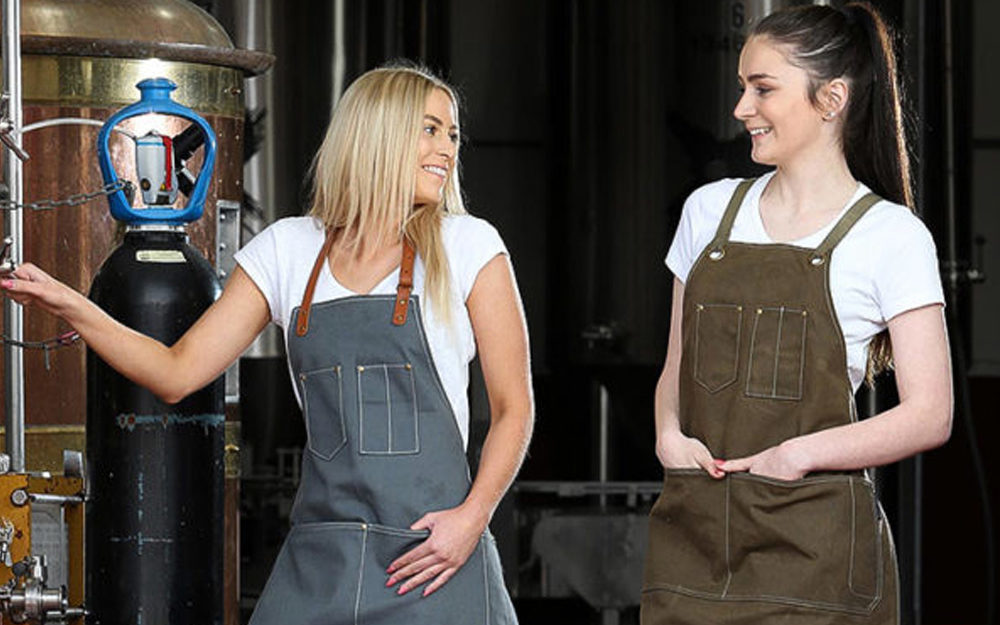
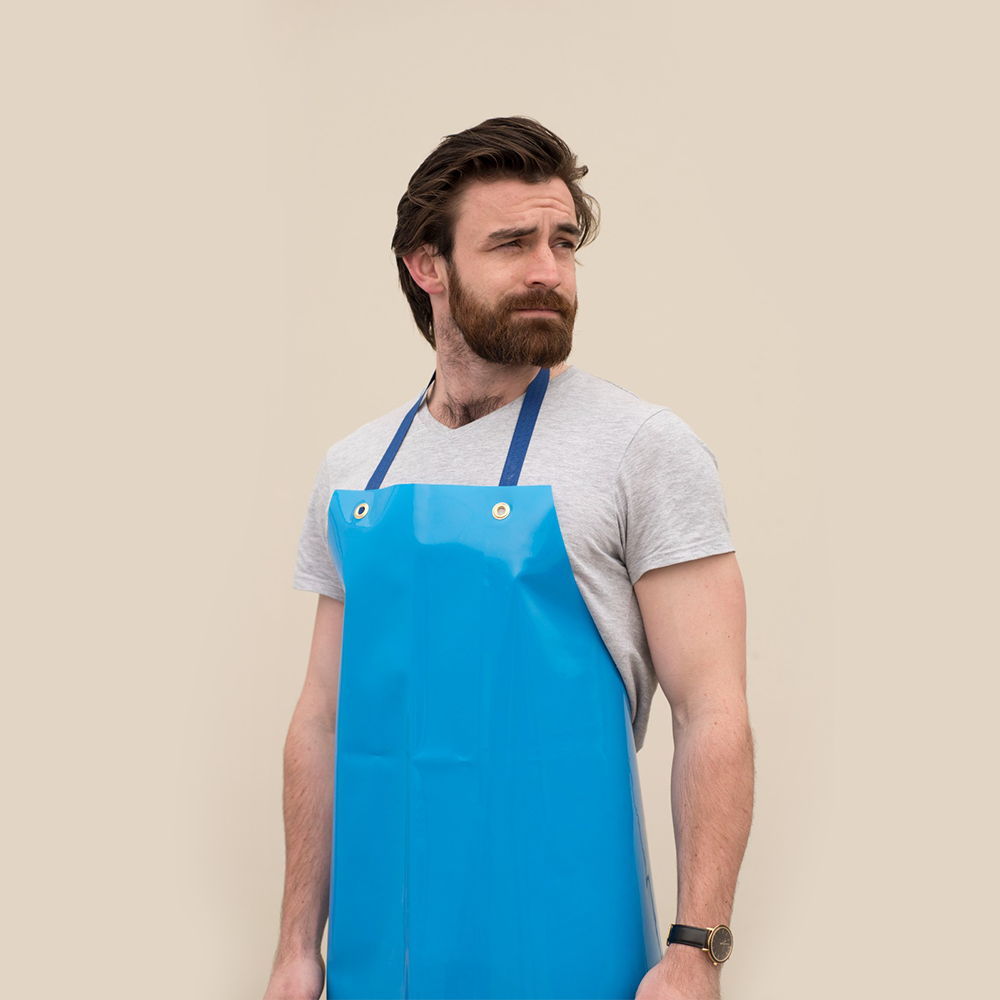
That's also why apron selection matters. Australian-made aprons in TPU, PVC, waxed canvas and durable nylon are manufactured for wet and wash-down areas in meat rooms. If your torso and legs are protected from fluid ingress, but your feet are sitting in an open or lightly protected clog, the PPE system isn't balanced.
A high-risk footwear shortlist should favour gear that can work alongside aprons, sleeves, knives, hooks and wash-down routines without becoming the weak point.
Final Verdict Matching Shoes to Your Workspace
There isn't one universal answer for Crocs cooking shoes. There is a risk-based answer. In low-risk and dry duties, some employers may find them acceptable for limited tasks. In medium-risk kitchens, they often sit in the caution category. In abattoirs, butcher production rooms and heavy wash-down processing zones, they're usually the wrong tool for the job.

A simple risk-based decision table
| Workspace | Main hazards | Better footwear decision | Crocs suitability |
|---|---|---|---|
| Office kitchen or light retail food area | Minor spills, light walking, low impact exposure | Closed-toe shoes with basic grip | Limited and role-dependent |
| Busy commercial kitchen | Wet floors, hot liquids, fast turning, long standing | Closed-back, slip-focused kitchen footwear with stronger coverage | Often not the best option |
| Butcher shop production area | Fat, wet floors, knife work, trays, hooks, mincer access | Fully enclosed protective work footwear matched to site hazards | Generally unsuitable |
| Abattoir or heavy wash-down processing | Constant fluid, severe slip exposure, dropped objects, equipment movement | Safety boots with high protection and local compliance fit for role | Unsuitable |
The practical decision
If you supervise a café or light service area, the question is whether the specific shoe is suitable for the exact task. If you supervise a commercial kitchen, the decision should be more conservative because pace, heat and spill severity go up. If you supervise a butcher room or abattoir, you should be thinking in terms of occupational footwear, not casual chef clogs.
The safest shoe is the one that still works when the floor is dirty, the worker is rushed, and the task goes wrong.
That's the test that matters. Not whether the shoe is popular, easy to wash or comfortable in the lunch rush.
The same logic applies across PPE. Australian-made TPU and PVC aprons designed for wet and wash-down areas exist because fluid exposure is predictable in meat rooms and processing zones. Footwear should be chosen with the same discipline. Match the control to the hazard, document the reason, and don't let convenience outrun compliance.
If you're reviewing footwear, PPE or wash-down gear for a butcher shop, abattoir or commercial kitchen, PSC TRADING Co PTY LTD supplies meat-processing equipment, protective workwear and food-processing PPE for Australian workplaces.
