

Monday morning, the chamber door opens and the first job is not tasting. It's checking seals, temperature records and how much of each primal will survive the knife. A striploin from last week's open-rack batch may carry a heavy, uneven crust, while another piece from the same room looks perfectly serviceable. That inconsistency is where margin disappears.
Dry aged beef bags are often sold as a way to create a premium flavour profile. On an Australian processing floor, their more useful role is practical: protecting saleable yield, controlling moisture transfer and making the ageing process easier to document. They don't replace sanitation, chamber control or end-process testing, and they certainly won't rescue poor meat handling. Used properly, they can make a repeatable workflow easier to run.
The Australian compliance position matters. PrimeSafe distinguishes dry ageing from wet ageing, which it defines as vacuum ageing in plastic bags, and requires dry-aged meat procedures to be validated through mould testing and wholesomeness testing for Enterobacteriaceae and E. coli. The PrimeSafe dry-ageing guidance reference is a useful reminder that a bag isn't a compliance shortcut.
Table of Contents
- Why Dry Aged Beef Bags Changed the Aussie Processing Floor
- Bag Materials, Permeability, and Specs Worth Comparing
- Setting Up Your Ageing Chamber Around the Bags
- Step-By-Step Dry Ageing Workflow Inside the Bag
- Yield, Trim Loss, and the Real Cost Numbers
- Food Safety, Testing, and Compliance in Australia
- Troubleshooting Common Bag Ageing Problems
Why Dry Aged Beef Bags Changed the Aussie Processing Floor
A bag-based run starts with a different question from an open-rack run. Instead of asking how much crust the butcher will remove at the end, the operator asks how consistently the bag will manage moisture movement around the primal.
On an open rack, the exposed surface takes the full force of the chamber environment. Air speed, humidity drift and the position of the primal can create noticeably different crusts across one batch. A piece sitting near a fan or coil wall can dry harder than one in the centre, even when both have shared the same ageing date.
A water-permeable bag changes that contact point. It still allows moisture transfer for a dry-age process, but it limits direct exposure of the meat surface and helps contain purge rather than letting it fall onto a tray or floor. In an Australian Top Cut Foods trial reported by Meat & Livestock Australia, water-permeable bag ageing recorded the lowest evaporative yield loss at 12% in that trial.

That number isn't a promise for every cut or chamber. It's a useful comparison point when assessing bag permeability, starting weight, trimming policy and storage control. A butcher who records the starting weight, end weight and trim weight can compare bags against their own open-rack results instead of relying on the word “premium” on a supplier page.
The floor-level advantage
The strongest case for dry aged beef bags is predictability. A more even surface condition can reduce the temptation to trim aggressively just because one face has become excessively dark or hard. It can also simplify stock planning because the operator has a clearer view of which primals are ageing, which are ready for testing and which are being held.
The flavour still comes from controlled ageing and enzymatic change. The bag doesn't manufacture flavour. It helps the operator manage the environment around the meat while keeping a better handle on product condition.
Working rule: Treat the bag as a yield and process-control tool first. Treat flavour as the result of the whole system, not the bag alone.
Bag Materials, Permeability, and Specs Worth Comparing
The wrong bag creates problems that look like chamber problems. A pouch may seal neatly yet transfer moisture poorly, trap excessive air or develop weak points around bone and folds. Compare the material against the cut, ageing period and distribution plan, not just the advertised “breathability”.
Commercial constructions commonly include multi-layer PA/PE films, higher-barrier structures using EVOH, and simpler polyethylene options. Each behaves differently under tension, around sharp bone edges and during sealing. A bag intended for a boneless loin doesn't automatically suit a bone-in rib section with irregular contact points.
The table below is a purchasing framework, not a set of universal performance specifications. Suppliers should provide tested values for the actual film and structure being quoted.
Dry Age Bag Material Comparison
| Bag Type | OTR (cc/m²/day) | WVTR (g/m²/day) | Typical Micron | Best Ageing Window | Relative Cost |
|---|---|---|---|---|---|
| PA/PE coextruded water-permeable film | Supplier tested | Supplier tested | Supplier specified | Multi-week controlled ageing | Medium |
| EVOH high-barrier pouch | Supplier tested | Supplier tested | Supplier specified | Products needing strong oxygen protection after ageing | High |
| PE-only film | Supplier tested | Supplier tested | Supplier specified | Shorter, less demanding applications | Lower |
| Bone-in reinforced bag | Supplier tested | Supplier tested | Supplier specified | Irregular primals and export handling | Medium to high |
A useful background reference for film selection is this guide to vacuum machine bags and food storage performance. It covers why film structure, seal quality and application need to be considered together.
What to ask the supplier
Ask for oxygen transmission rate, water vapour transmission rate, tensile performance, seal-window information and food-contact documentation. Australian guidance ties packaging materials to AS 2070:1999, Plastics Materials for Food Contact Use, so “food grade” on a sales sheet isn't enough without supporting documentation. The MLA safe-production guidance also places packaging practice within controlled moisture transfer and compliant food-contact use.
Be careful with “breathable” as a standalone claim. A bag that restricts the wrong exchange can leave wet areas against the meat, while an under-evacuated pouch can hold pockets that behave very differently from the rest of the surface. For export-bound product, confirm freezer suitability with the manufacturer rather than assuming the ageing film is also suitable for frozen transport. A claimed temperature rating, such as down to -40°C, must belong to the exact bag construction and application, not a different product in the supplier's range.
Open-rack ageing remains useful when the operator wants direct surface exposure and accepts higher, less uniform trim. Bag ageing is better suited to processors measuring yield and repeatability. Neither method works well when the chamber is dirty, the seal is marginal or the operator can't trace the batch.
Setting Up Your Ageing Chamber Around the Bags
Start with the chamber, not the packaging. Australian dry-ageing guidance identifies controlled temperature, relative humidity and gentle airflow as the operating foundation. One MLA guideline gives a practical environment of about -0.5 to 1.0°C, 75% to 85% relative humidity and 0.2 to 0.5 m/s air velocity, while other Australian guidance describes a chamber specification of 0.5 to 1.5°C with the same humidity and airflow ranges. Use the validated range in your own documented procedure, and don't treat a domestic fridge display as proof of control.

A bag can buffer direct surface drying, but it can't correct a dead airflow zone or a warm chamber corner. Put calibrated hygrometers and data loggers where the product sits, not only beside the controller. Record the difference between the display reading and the measured product-zone reading during commissioning.
Arrange the load for even air movement
Keep primals separated so air can move around them. The planned spacing must suit the chamber, rack design and bag shape. A flat bag can fold beneath a primal and create a damp contact point, while a gusseted bag may sit more evenly but place greater stress on corners and seals if it's overfilled.
Place drip trays so they can be removed and sanitised without disturbing the ageing load. Keep bagged meat segregated from fresh product, and make sure packaging is stored in a dust- and vermin-proof area. Don't allow bags to touch evaporator surfaces or sit directly in a cold-air blast.
UV treatment and air curtains should only be used if they're part of a validated site procedure. UV-B cycles don't compensate for poor cleaning, and an air curtain can reduce the effect of door openings without preventing temperature excursions. The chamber still needs a reliable recovery plan.
For cold-room organisation, freezer pallet spacers for improved airflow illustrate the same basic principle. Air needs a clear route around product rather than being blocked by tightly packed surfaces.
Commissioning checklist
- Verify temperature: Check several points in the loaded chamber, not just the controller.
- Confirm humidity: Compare the control display with a calibrated instrument.
- Measure airflow: Check for dead zones around racks, corners and coil walls.
- Test drainage: Make sure drip trays don't overflow or contaminate nearby product.
- Inspect sanitation: Clean chamber surfaces, racks, handles and seals before loading.
- Record baseline readings: Save the commissioning results with the batch procedure.
Step-By-Step Dry Ageing Workflow Inside the Bag
The cleanest bag run begins before the vacuum machine starts. Use wholesome, high-quality fresh meat, keep the product separated from other foods and remove obvious silver skin, chain marks and blood clots where the product specification requires it. Don't use the bag to hide a damaged surface or questionable raw material.

Prepare, seal and load
- Pre-trim and identify: Weigh each primal, assign a batch identifier and photograph its condition. Keep the label and record attached to the product through every movement.
- Fit the bag: Avoid stretching the film across sharp bone or leaving folds under the product. The bag should contact the surface consistently without creating large loose pockets.
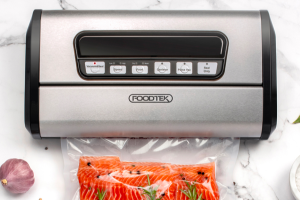
- Vacuum and seal: Use the validated setting for the machine and film. A chamber machine may be operated at 99.9% vacuum with a 3 to 4 second seal time only where that setting has been validated for the actual equipment, material and product. Don't copy a supplier's setting blindly.
- Check before loading: Inspect the seal for wrinkles, channels and incomplete cooling. A water-bath leak test can identify a weak seal before the bag enters the chamber, but the test itself must be controlled hygienically and the product must not be loaded while wet.
I won't use a fixed “air-space ratio” as a universal rule because bag geometry, primal shape and machine performance change the result. The practical test is contact quality. If a loose pocket remains over a concavity, document it and decide whether the bag should be resealed before ageing.
Monitor the run
Place the sealed primal on clean stainless shelving with the seal protected from abrasion. Keep a daily record of chamber temperature, relative humidity, airflow condition, bag appearance, condensation and any evidence of leakage. Rotate product only if the validated procedure calls for it, and record the movement so the batch history remains clear.
Inspect the seals at the start of each shift and after any chamber interruption. Check for condensation during the routine inspection rather than waiting for an odour. Take weekly photographs from consistent angles so the QA record shows how the product changed.
The useful weight checkpoints are days 14, 21, 28 and 35, as specified in the planned workflow. The dates aren't permission to release product automatically. Each checkpoint should include gross weight, bag condition, chamber records and the decision to continue, test or hold.
For a practical visual sequence, use the dry-ageing process demonstration alongside your site's own validated procedure. The video can support training, but it doesn't replace your records or food-safety verification.
Release the batch properly
At the end of maturation, remove the outer desiccated layer according to the product specification, record trim and submit the product for the required microbiological checks. Australian guidance identifies E. coli below 10 cfu/g as a practical safety ceiling at the end of ageing, with total viable count and yeast and mould monitoring also required, as described in the peer-reviewed bag-ageing study. Appearance alone isn't a release test.
Yield, Trim Loss, and the Real Cost Numbers
The useful cost calculation starts with weight, not the retail story. A bag may protect more of the outer surface than an open rack, but it still requires trimming, packaging, labour, testing and inventory control. The result depends on primal shape, starting condition, chamber performance and how aggressively the butcher trims.
The Australian benchmark worth tracking is the 12% evaporative yield loss recorded for water-permeable bag ageing in one Top Cut Foods trial reported through MLA. That figure should sit beside your own measured results, not become a blanket promise for every bag, cut or ageing period.
Marketing claims about uncovered racks often blur evaporative loss and final trim. Those are different measurements. A hard outer crust may be removed as trim, while moisture loss can occur earlier in the process. Record both weights separately so you know whether the bag is protecting product or changing where the loss appears.
Open-Rack vs Bag-Based Ageing Yield and Cost Comparison
| Metric | Open-Rack Ageing | Bag-Based Ageing |
|---|---|---|
| Surface exposure | Direct exposure to chamber air | Controlled moisture transfer through purpose-built film |
| Crust formation | More exposed and potentially uneven | Usually more contained, depending on film and chamber |
| Evaporative loss | Can be higher when control drifts | 12% in one Australian Top Cut Foods trial, MLA report |
| Trim requirement | Strongly affected by crust thickness and position | Still required, with bag condition influencing the outer layer |
| Labour pattern | More handling and floor cleaning around exposed product | More sealing, inspection and bag disposal |
| Consumables | Racks, trays and sanitation inputs | Purpose-built bags, seals, labels and testing inputs |
| Cost decision | Suits operators accepting variable trim | Suits operators measuring yield, traceability and repeatability |
Don't invent a return from an unmeasured batch. Weigh a bone-in striploin and a boneless ribeye separately, because their contact points, fat coverage and trimming patterns aren't interchangeable. A processor running 400 kg per week should build the comparison from actual kilograms recovered and actual disposal, labour and consumable records, rather than applying an assumed wholesale price.
The bag pays for itself only when the recovered saleable product and operational control justify the film, sealing time and testing. If the operator still loses product through poor humidity control or failed seals, the packaging has added cost without solving the cause.
Food Safety, Testing, and Compliance in Australia
A compliant bag-aged batch has a paper trail that matches the product. The packaging can support hygiene and traceability, but it doesn't turn an uncontrolled ageing process into a safe one. PrimeSafe's technical position requires mould validation and wholesomeness confirmation through testing for Enterobacteriaceae and E. coli, while Australian guidance emphasises validated storage conditions and end-process microbiological testing.
Packaging materials and practices should comply with AS 2070:1999, Plastics Materials for Food Contact Use, as outlined in MLA's safe-production packaging guidance. Keep supplier declarations, batch records and the approved packaging specification together. A food-contact claim without documentation leaves a gap during an audit.

A plain-English release check
- Confirm the chamber history: Review temperature, humidity and airflow records for the full ageing period.
- Verify the raw material: Confirm the batch began with wholesome meat and remained segregated from fresh product.
- Inspect the bag: Record seal condition, punctures, leaks, condensation and unusual surface changes.
- Complete testing: Release only after the required microbiological specifications have been met.
- Control the label: Make sure product description, batch identification, dates and handling instructions match the validated process.
- Keep the evidence: Store photographs, weights, corrective actions, test results and release approval together.
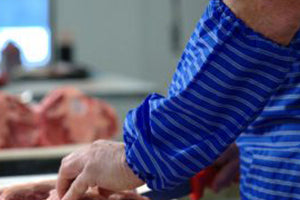
Food Standards Standard 3.2.2 also supports disciplined clothing and wound-control practices. Food handlers should use outer protective clothing in food-handling areas where possible, remove it for toilet and other breaks, and cover exposed wounds with a waterproof dressing to prevent seepage contaminating food, as set out in the Food Standards Australia New Zealand standard.
A HACCP-style system helps connect these controls rather than treating them as isolated checks. This HACCP business guide is useful background, but your site still needs a process specific to its equipment, staff, products and approval conditions.
Troubleshooting Common Bag Ageing Problems
Most failed runs fall into three groups: the surface dries harder than expected, mould appears where it shouldn't, or the bag develops an odour that makes release impossible. The operator's first mistake is often treating the symptom as a bag defect. Check chamber history and seal integrity before changing suppliers.
Dry crust and excessive trim
A dark or hard crust can result from humidity dropping below the controlled range, excessive airflow or a bag that has lost proper contact with the surface. Airflow that hits one side of a primal repeatedly can create a dry patch even when the chamber average looks acceptable.
Check the data logger, not just the controller display. Inspect whether the bag is pressed against a cold-air outlet or coil wall, and review whether the film has folded away from the meat. Recalibrate the humidity controller, restore the validated airflow range and reposition the bag so air moves evenly around it.
If the bag surface smells clean but the crust is dark, the planned recovery decision may be to trim the affected material, wipe the surface with vinegar only where that action is approved in your procedure, and re-bag the primal. Don't rework a product that has an unexplained odour or failed testing.
White or blue-green mould
Mould risk increases when humidity moves above the validated range, sanitation slips or condensation remains against the product. PrimeSafe requires dry-aged meat products to be tested for mould, so colour alone isn't a release decision.
Hold the batch, isolate affected product and check chamber cleaning, drainage, bag storage and humidity history. Don't brush mould across the chamber or assume a sealed bag makes the problem harmless. A bag can contain some surface contamination, but it can't correct contaminated raw material or a dirty handling area.
Sour or ammoniacal odours
A sour or ammoniacal smell points to a serious product decision, especially when paired with a swollen pouch, poor vacuum or persistent wet pocket. Under-evacuation, slow seal cooling, punctures and unsuitable film can leave conditions that don't match the intended ageing process.
Check the seal bar, dwell time, bag punctures and vacuum performance. Don't lower the temperature and hope the odour disappears. If the smell persists after the product has been isolated and assessed through the approved procedure, divert it from premium sale and follow your disposal or downgrade process.
Dry Age Bag Troubleshooting Matrix
| Symptom | Likely Cause | Fix |
|---|---|---|
| Hard, dark crust | Humidity drift, excessive air speed or poor bag contact | Verify readings, restore validated conditions and assess trim |
| Wet contact patch | Folded film, condensation or blocked airflow | Reposition product and correct chamber loading |
| White or blue-green mould | Humidity above target, sanitation failure or contaminated handling | Hold, isolate, clean and complete mould assessment |
| Sour or ammoniacal odour | Under-evacuated pouch, leak or unsuitable process | Hold product, inspect seals and follow testing or disposal procedure |
| Repeated seal failure | Bone abrasion, poor film fit or incorrect seal settings | Protect sharp edges, change bag format and validate the seal |
| Uneven ageing | Dead zone or crowded shelving | Improve spacing and confirm airflow at product level |
Questions I'd answer at the counter
Is bag-based ageing the same as wet ageing? No. PrimeSafe defines wet ageing separately as vacuum ageing in plastic bags. A water-permeable dry-age bag is intended to support controlled moisture transfer, while a conventional vacuum pouch holds the product in its own juices. The yield and flavour outcome depend on the material and process, so don't label one method as the other.
How long should beef stay inside a bag? The correct maximum is the longest period validated for the bag, cut and chamber. MLA guidance states dry-aged meat is usually held for longer than 21 days, and reports that dry ageing in the bag for up to 28 days improved yield while allowing equivalent dry-aged flavour without increased microbiological growth, as described in the MLA safe-production guideline. PrimeSafe's technical guideline allows dry ageing for up to eight weeks, depending on the required product characteristics, but that doesn't authorise an unvalidated run.
Can the ageing bag go straight into an export carton? Don't assume it can. Export packaging must protect meat from contamination and deterioration during loading, storage and transport. Confirm the bag's food-contact status, seal integrity, carton protection, label controls and shelf-life validation for the destination channel.
Do bones-in primals age the same as boneless cuts? No. Bone shape changes film tension, contact points and puncture risk. Use a reinforced format or protective handling method where required, then validate the actual cut rather than transferring a boneless procedure without checking it.
What do I say to a customer who says bag-aged beef isn't real dry age? Explain the process, not the marketing. A bag-assisted system can still produce dry-aged characteristics when it uses suitable water-permeable material and controlled chamber conditions. The honest selling point is consistency and validated handling, not a claim that every bag produces the same flavour as an open rack.
Can the label say “dry aged”? Treat that wording as a controlled product claim. Australian food guidance focuses on validated processes, correct packaging, labelling and shelf-life evidence rather than granting a universal bag-specific label rule. Keep the claim accurate to the documented method and obtain advice from the relevant authority or auditor before changing labels.
If you're comparing dry aged beef bags for an Australian butcher shop, abattoir or processor, start with the cut, chamber conditions and release requirements. Contact PSC TRADING Co PTY LTD for practical advice on food-processing packaging, vacuum equipment, protective workwear and cold-chain supplies, and build your specification around measurable yield and compliance rather than premium-ageing hype.
