


You're probably dealing with this already. A worker comes out of the freezer rubbing their hands, says the gloves are warm enough until they touch frozen cartons or wet product, then complains they can't grip a knife handle, a trolley rail, or a vacuum-sealed pack properly. So you try a thicker glove. Now the hands stay warmer, but the job slows down and fine control disappears.
That's the main problem with choosing gloves for freezer work in butcher shops, abattoirs, and food-processing rooms. Warmth matters, but it isn't the only thing that matters. In Australian meat processing, hands often move between cold air, frozen surfaces, wet product, wash-down conditions, and sharp tools. A glove that looks good on a packet can still fail badly on the floor.
The right choice comes from understanding trade-offs. You need enough insulation for cold contact, enough water resistance for wet handling, enough grip for slick packaging, enough dexterity for real work, and enough hygiene control for a food site. If one of those is missing, the glove usually gets removed, misused, or pushed into the wrong task.
Table of Contents
- Why Your Standard Gloves Fail in the Freezer
- Decoding Freezer Glove Temperature Ratings and Standards
- Key Materials for Insulation and Waterproofing
- Balancing the Warmth Versus Dexterity Trade-Off
- Safety Beyond the Cold Cut Resistance and Food Hygiene
- Best Practices for Glove Use Cleaning and Layering
- Your Procurement Checklist for Freezer Gloves
Why Your Standard Gloves Fail in the Freezer
A standard warehouse glove can feel fine in a cool room for a short job. It usually falls apart once the work becomes repetitive, wet, and contact-heavy. That's common in freezer picking, carcass handling, carton movement, and pack-off around frozen product.
The failure usually starts with contact cold, not just air temperature. A worker may cope with the room itself, then lose warmth fast when they start handling frozen trays, metal rails, or hard-packed cartons. Add moisture from product, condensation, or hand sweat, and the glove stops feeling protective very quickly.
The freezer floor problem
Take a simple example from a butcher prep room. One person is shifting frozen cartons from storage, breaking down loads, then returning to bench work. A bulky winter glove might keep hands warm while lifting cartons, but it can make labels harder to read, knife grip less secure, and small controls awkward to use. A thin general-purpose glove solves the dexterity problem, but the fingers go numb as soon as the worker handles frozen stock.
That's why “warm gloves” is too vague to be useful.
Practical rule: If your staff remove the gloves to finish the job properly, the glove selection has already failed.
What standard gloves usually get wrong
Most poor glove choices miss at least one of these points:
- Too little insulation: Fine for chilled rooms, poor for repeated frozen contact.
- Too much bulk: Warm on paper, clumsy around hooks, controls, labels, and knife handles.
- No water barrier: Wet hands lose warmth faster, and the glove gets heavier as the shift goes on.
- Weak grip on slick surfaces: Frozen plastic, vacuum packs, and wet cartons demand surface grip, not just padding.
- No task separation: One glove gets forced into loading, cutting, cleaning, and food contact.
The result is familiar. Hands get cold, grip gets sloppy, workers slow down, and managers burn through gloves that never matched the job in the first place.
Decoding Freezer Glove Temperature Ratings and Standards
You can save a lot of trial and error by reading cold-rated gloves properly. The useful standard here is EN 511, which acts like a report card for cold protection. It's especially relevant because freezer gloves for blast-freezer environments in Australian meat-processing facilities need multi-layered insulation with vapour barriers and thermal linings to maintain hand safety at temperatures below -25°C, and there are no specific Australian AS/NZS standards for PPE rated for freezing temperatures, so sites rely on international benchmarks such as EN 511, as outlined in this food-processing glove selection guide discussing EN 511.

What the rating is really telling you
EN 511 usually shows three parts. Read them as three separate questions:
| EN 511 element | What it refers to on the floor | Why you should care |
|---|---|---|
| Convective cold | Cold air exposure | Useful when staff stay in freezers or loading areas for long periods |
| Contact cold | Touching frozen goods or surfaces | Critical for cartons, meat blocks, rails, trays, and metal equipment |
| Water penetration | Whether water gets through | Important in wet-cold handling and wash-down crossover areas |
A manager often over-focuses on freezer room temperature and ignores contact cold. That's a mistake. If your team handles frozen cartons all shift, contact cold performance matters as much as the room itself, sometimes more.
What matters most in meat processing
In practical terms, use the rating to match the task, not just the room.
- Blast freezer and long dwell time: Look for serious insulation and a glove build that includes a barrier layer.
- Frozen product handling with wet surfaces: Don't ignore water penetration. Once moisture gets in, comfort and thermal performance drop fast.
- Mixed work between freezer and production floor: Avoid gloves that are so stiff they wreck hand function once the worker returns to normal handling.
A good freezer glove should answer three questions clearly. How does it handle cold air, how does it handle frozen contact, and what happens when it gets wet?
If a supplier can't explain those points in plain language, treat the glove as unproven for your operation.
Key Materials for Insulation and Waterproofing
Materials decide whether a glove works in real production or only in a catalogue. The two parts that matter most are the insulation package inside the glove and the outer coating that faces water, fat, packaging film, and frozen surfaces.
A premium example is the Badger Ice Cut 3 Thermal Freezer Glove, which is rated for contact temperatures as low as -50°C, meets Cut Level 3 protection, and uses heavy-duty terry lining with super-grip nitrile foam palms to support warmth and dexterity, as shown in the Badger Ice Cut 3 Thermal Freezer Gloves specification. That combination is worth noting because it reflects what a serious freezer glove tries to do. Keep warmth in, keep grip reliable, and avoid turning the hand into a block.
Insulation that still lets the hand work
The best insulation systems for freezer use don't just pile on thickness. They trap warmth while keeping enough flexibility for gripping, flexing, and controlled handling.
In meat processing, that matters in obvious jobs:
- lifting frozen cartons off pallets
- handling vacuum packs that want to slip
- moving from storage to bench work
- controlling knife handles or tools after cold exposure
A glove with terry lining or layered thermal construction usually feels more usable than a glove that relies on bulk alone. If your workers say the glove is warm but they can't close their hand properly around product, the insulation package is too clumsy for the task.
Outer coatings and where they help
The outer layer is where many buying decisions go wrong. In wet-cold conditions, you need the glove to shed water and still hold onto slippery stock.
Nitrile-coated palms tend to make sense where workers touch slick plastic, cold cartons, and wet surfaces. A grip-focused palm can be the difference between controlled handling and a worker constantly readjusting their hold. In a freezer, every extra second of exposed handling adds up.
For longer forearm coverage or wet handling outside fine-dexterity tasks, a gauntlet-style option can be useful. A product like these red PVC gauntlet gloves for extended wet-area protection suits splash and runoff better than a short cuff glove, though a heavier PVC style can feel less precise for detail work.
A simple comparison helps:
| Material feature | Usually helps with | Common trade-off |
|---|---|---|
| Terry or thermal lining | Warmth retention | Can add bulk |
| Nitrile foam palm | Grip on slick product and packs | May not give full liquid barrier in every design |
| PVC gauntlet style | Wet protection and coverage | Reduced feel and finger control |
| Multi-layer build | Better cold protection | Heavier glove overall |
The right mix depends on whether your staff are handling product, cleaning down, or doing both at different points in the shift.
Balancing the Warmth Versus Dexterity Trade-Off
Halfway through a freezer shift, the problem usually shows up the same way. A worker can keep their hands warm enough, but they start fumbling labels, missing a clean grip on wet packs, or peeling a glove off just to get a better feel on a control or tool. That is where freezer glove selection usually goes wrong on meat sites. The glove is warm on paper, but clumsy in the actual job.

In wet-cold processing, you are balancing three things at once. Warmth, water resistance, and hand control. Push too far on any one of them and the other two usually suffer. A thick glove can protect well in static cold handling, but once staff need pinch grip, label handling, trigger use, or safe product control, too much bulk becomes a problem.
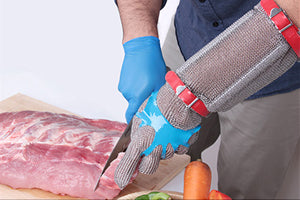
That trade-off is especially clear in meat processing because the work changes from minute to minute. A person might shift frozen cartons, open packaging, reposition product, mark stock, then return to a knife task or a machine interface. One glove rarely handles all of that well. If you also need blade protection in part of the job, a separate food-grade cut-resistant glove for processing tasks may need to sit alongside your freezer glove selection rather than replacing it.
Why thicker often fails
A loading role and a handling role should not be treated as the same glove brief.
For carton movement and pallet work, extra insulation and a more substantial build are usually acceptable because the hand is doing gross movement, not fine control. For bench work or mixed handling, the same glove can slow the job down and create bad habits. Workers start over-gripping, readjusting their hold, or stripping one glove off to finish fiddly steps. None of that helps safety, hygiene, or throughput.
The primary question is not “what is the warmest glove?” It is “what can your team still do safely while wearing it?”
A practical way to buy is to match glove bulk to exposure time and task precision.
- Carton transfer and freezer pick work: accept more bulk if grip stays secure and the glove stays on.
- Wet frozen product handling: prioritise palm grip and water resistance so the hand is not fighting a slick surface.
- Short, precise tasks in cold areas: use a lighter, more flexible glove and control exposure through task timing or rotation.
- Mixed roles: issue more than one glove type so staff can change with the task instead of forcing one compromise across the shift.
The common failure point is buying for temperature alone. On the floor, a glove has to let the worker close the hand naturally, hold slippery product without squeezing too hard, and keep enough fingertip awareness to avoid mistakes. If it cannot do that, the glove may be warm, but it is not well selected.
This short walkthrough shows the issue clearly:
If your freezer team handles more than one job type, set glove issue rules by task group, not by department name. That approach usually gives you better compliance than asking one glove to cover loading, picking, wet handling, and occasional tool use all at once.
Safety Beyond the Cold Cut Resistance and Food Hygiene
A glove can be excellent in the cold and still be wrong for a professional meat site. Freezer work often includes blades, sharp carton edges, strapping, hooks, rough surfaces, and food-contact rules. So glove safety has to cover more than temperature.

Cold protection alone isn't enough
If a worker is handling knives, metal-edged packaging, or sharp frozen product corners, plain thermal protection isn't enough. You need to ask whether the glove also offers suitable cut resistance or whether the freezer task should be separated from the cutting task entirely.
For food environments, a purpose-built option such as a food-grade cut-resistant glove for processing tasks may be part of the answer where blade risk is present. The key point is operational. Don't assume a freezer glove automatically covers knife risk, and don't assume a cut glove automatically covers cold risk.
Hygiene rules change glove selection
Food safety controls also affect glove choice more than many buyers realise. In Australian food-safety-compliant abattoirs, gloves must be colour-coded and strictly segregated by task to reduce cross-contamination, with blue for food handling and pink for cleaning, as set out in this HACCP Australia glove guidance for the food industry.
That matters in practice because many sites make this mistake: a reusable thermal glove gets used in product handling, then cleaning, then back into production. That creates a hygiene problem even if the glove still looks serviceable.
Use a simple site rule set:
- Separate by task: Product handling gloves and cleaning gloves should never blur together.
- Separate by colour: Make the difference visible from a distance.
- Separate by storage point: Don't let mixed-use gloves pile up in one crate or locker.
- Train supervisors to check compliance: If the rule isn't checked, it won't hold.
Site check: If you can't tell at a glance whether a glove was used for food contact or chemical cleaning, your colour-coding system isn't doing its job.
Best Practices for Glove Use Cleaning and Layering
You see it on the floor all the time. A good freezer glove starts the shift dry, warm, and workable, then turns heavy, cold, and clumsy because it stayed on too long, stayed wet, or got shoved back into service before it dried properly.
That is usually a glove management problem, not a glove buying problem.
In wet-cold meat processing, insulation drops off fast once moisture builds inside the glove. Sweat, water ingress at the cuff, and repeated contact with frozen product all chip away at warmth and finger movement. If your team waits until hands are already numb, the glove swap came too late.
Daily habits that keep gloves working
The best sites issue two pairs per freezer worker. One pair is in use. The other stays in a warm, dry spot ready for the next changeover. That simple routine helps more than chasing a slightly thicker glove, because a thicker glove often costs you grip and speed on wet cartons or frozen product.
Use a routine your supervisors can enforce:
- Issue two pairs to each freezer operator. Rotation only works if the second pair is available.
- Swap on a timed routine or task break. Do it before the glove feels cold and stiff.
- Remove gloves when leaving the freezer area. Let heat and moisture clear instead of trapping both inside.
- Check cuffs, palms, and seams at each swap. Wet lining, packed insulation, worn grip, and split seams show up early here.
If you are reviewing replacement options, keep your team's actual task mix in mind and compare suitable freezer and cold-room hand protection options against how they are used on site, not just how they read on a spec sheet.
Layering without losing circulation
A thin inner liner can help if workers sweat heavily or move between freezer and ambient areas. It can improve comfort and make glove changes cleaner and faster.
The liner must stay thin. If layering makes the outer glove tight, you lose circulation first, then dexterity, then warmth. That is the trade-off many sites miss. A bulkier setup can leave hands colder because blood flow drops and workers start stripping gloves off to get the job done.
For fine handling work, test the full combination on the actual task. Picking up wet wrapped product, separating frozen items, or gripping steel rails will tell you more than a bench fitting ever will.
Cleaning and handling on food sites
Reusable gloves need a cleaning routine that matches your hygiene system. On meat sites, that means the glove's job, cleaning method, and storage point all need to stay controlled. A glove that is technically still wearable can still be the wrong glove to reissue.
A practical floor standard looks like this:
- After food-contact use: Clean the glove under your site hygiene procedure before storage or reissue.
- After chemical or wash-down exposure: Keep it out of food handling until your site process clears it for return to service.
- If the inside is damp: Do not send it back out. The outside can look fine while the lining is still wet and cold.
- Store gloves open, separated, and off wet surfaces: Crumpled pairs hold moisture, odour, and bacteria.
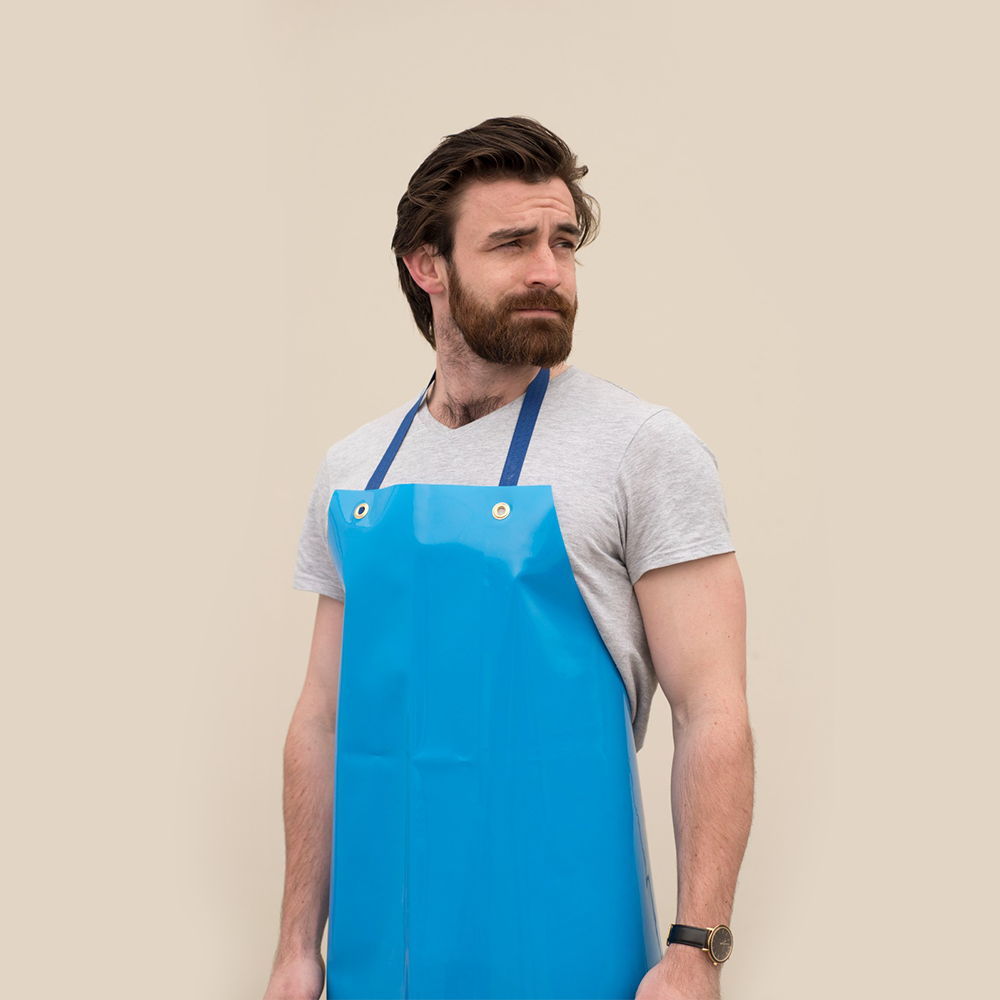
For sites running wet benches and wash-down zones, glove care also connects to broader waterproof PPE management. Disposable aprons used in Australian food processing are designed to be waterproof, durable, and lightweight, with options in white or blue, as shown by this range of disposable aprons for Australian food processing.
The same rule applies across the kit. If PPE stays wet, gets mixed between tasks, or is stored badly, thermal performance drops and hygiene risk goes up.
Your Procurement Checklist for Freezer Gloves
Most buying mistakes happen before the first glove reaches the floor. The spec sheet may look fine, but the questions asked during procurement were too general. “Need freezer gloves” isn't enough. You need a decision checklist tied to the actual work.

Questions to ask before you buy
Use these six checks before placing an order:
- What's the coldest real exposure? Not just room temperature. Include frozen contact, metal contact, and time spent inside the area.
- What task is the glove doing most often? Picking, loading, handling wet carcasses, carton breakdown, bench work, or mixed-role use all need different compromises.
- Does the glove need waterproof performance, grip, or both? In abattoirs, wet-cold handling usually punishes gloves that only solve one of those.
- Is there a blade or edge risk? If yes, don't treat thermal protection as the whole answer.
- Will the glove sit inside a hygiene and colour-coding system? If not, site compliance gets messy fast.
- Can staff wear it properly for the full task? A glove that gets removed isn't protecting anyone.
A quick comparison process helps. Trial shortlisted gloves across a real shift, not a five-minute store-room test. Watch what workers do when they move from freezer storage to normal handling. The wrong glove shows itself quickly through removal, slower movements, awkward grip changes, and complaints about wetness inside the hand.
If you're reviewing options across multiple job roles, it helps to start with a broader range of industrial hand protection for food and processing work and narrow it by task rather than buying one style for the entire site.
The best procurement decision usually isn't one glove. It's a glove system. One for heavy freezer handling, one for dexterity-heavy cold tasks, and separate gloves again for cleaning or blade-risk work.
If you need help selecting gloves for freezer work in a butcher shop, abattoir, or food-processing site, PSC TRADING Co PTY LTD can help you match glove types to real floor conditions, not just catalogue claims. As an Australian manufacturer and wholesale supplier serving meat processing and hospitality, they understand the overlap between cold protection, hygiene, waterproof PPE, and day-to-day production demands. Explore their range at PSC TRADING Co PTY LTD.
