



A food-processing apron has to do more than look suitable when an employee first puts it on. It needs to provide useful coverage while the wearer moves between preparation benches, processing areas and cleaning tasks.
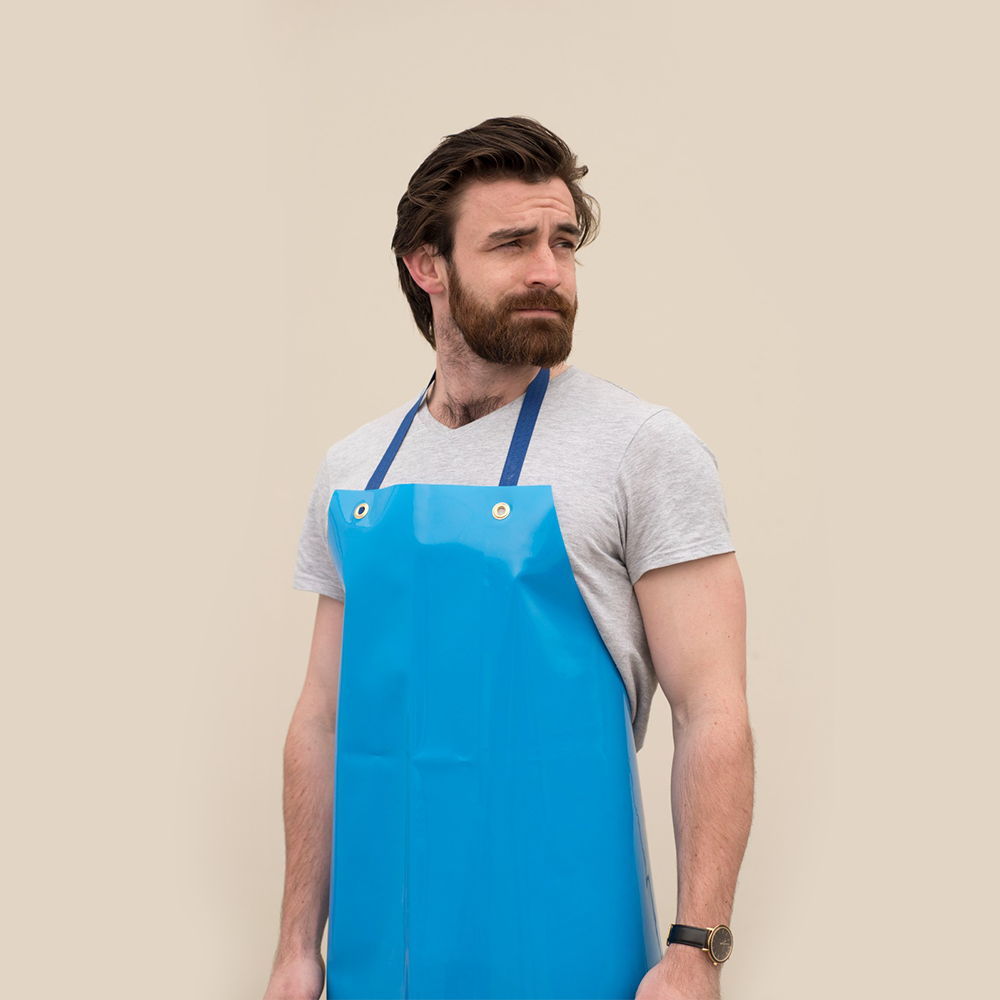
The Heavy-Duty TPU Food Processing Apron | 900mm × 1200mm from PSC Trading combines durable TPU construction with generous dimensions for demanding professional environments. It’s a practical workwear option for Australian butcher shops, abattoirs, seafood processors, commercial kitchens and food-manufacturing facilities.
Start with the Actual Apron Measurements
Product photos can help buyers understand an apron’s general appearance, but they don’t always show how much of the wearer’s clothing it will cover. Checking the measurements before ordering gives businesses a more reliable basis for comparison.
This PSC Trading food-processing apron measures:
- 900mm wide
- 1200mm long
The 900mm width provides broad coverage across the front of the body, while the 1200mm length extends down the wearer’s work clothing. These dimensions make the apron relevant to roles where employees need a substantial outer layer during hands-on preparation and processing work.
Fit will vary depending on the employee’s height, build, uniform and required movements. Workplaces should compare the measurements with their team’s needs rather than assuming one apron will fit every person or role in exactly the same way.
Coverage Matters at Every Stage of the Shift
Workwear should be considered in the context of the full working day. An apron that seems adequate for a stationary bench task may sit differently when the wearer bends, reaches or walks between work areas.
During a typical shift, an employee may move through several types of activity:
- Preparing ingredients at a bench
- Handling meat, seafood or other food products
- Moving between processing stations
- Reaching for approved equipment
- Carrying out routine cleaning tasks
- Completing end-of-shift wash-down procedures
The apron should continue to provide the expected front coverage throughout these movements without interfering with other required workwear.
Before introducing it into active use, have the employee test the fit while performing the normal movements associated with the role.
Why Choose a Heavy-Duty TPU Apron?
TPU stands for thermoplastic polyurethane. In this product, it provides a durable apron material intended for professional food-processing work.
A heavy-duty TPU apron may be a more appropriate choice than a lightweight household or decorative apron when employees work in demanding preparation and production environments.
The practical value comes from combining durable material with generous coverage in a straightforward design. It gives the wearer an additional outer layer over their uniform while keeping the apron focused on its main purpose.
“Heavy-duty” does not mean the apron is indestructible or appropriate for every workplace hazard. Its suitability should be assessed against the actual task, site procedures and other protective equipment required by the business.
Who Is This Food-Processing Apron For?
The PSC Trading 900mm × 1200mm TPU apron may suit workers in a range of Australian food-industry settings, including:
- Independent butcher shops
- Supermarket meat departments
- Abattoirs and boning rooms
- Meat-processing plants
- Poultry-processing operations
- Seafood-processing facilities
- Commercial kitchens
- Catering preparation areas
- Food-manufacturing workplaces
Each environment has different risks, work methods and hygiene requirements. A retail butcher working at a preparation bench may have different workwear needs from an employee on a processing line.
The responsible manager should confirm that the apron’s material, size and design are appropriate for the intended role.
Evaluate the Apron as Part of the Complete Uniform
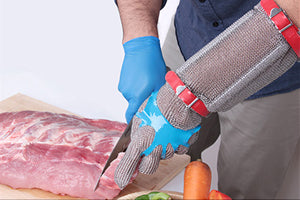
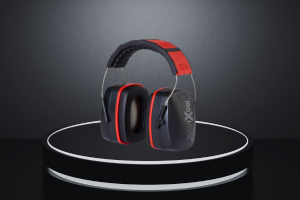
An apron does not work in isolation. Employees may also be required to wear protective footwear, gloves, safety glasses, hearing protection, cut-resistant equipment or other site-specific clothing.
Before the shift begins, check how the apron fits alongside the complete uniform. It should not stop other protective equipment from sitting in its intended position or obstruct access to authorised tools.
A practical fit check should include:
- Walking through the normal work area
- Bending and reaching
- Turning from side to side
- Using approved tools
- Checking the apron’s front coverage
- Confirming that required PPE remains correctly positioned
If the apron shifts excessively, feels restrictive or interferes with another item, adjust the setup before work starts.
Make Apron Selection Role-Specific
Buying one apron style for every employee may be convenient, but it doesn’t always reflect how different teams work.
Before purchasing food-processing aprons, consider:
- The tasks performed by each role
- The employee’s normal uniform
- The level of front coverage required
- The amount of movement involved
- Other PPE worn during the shift
- The workplace’s inspection process
- Cleaning and storage procedures
- When damaged aprons are removed from service
This role-based approach helps businesses select workwear for genuine workplace requirements rather than relying only on a generic product category.
Inspect Before Wearing
Even durable workwear needs regular inspection. A quick pre-shift check can identify damage before the apron enters an active food-processing area.
Examine the complete TPU surface and any fastening points. Look for:
- Cuts, punctures or tears
- Worn or weakened areas
- Damage along the edges
- Changes affecting the apron’s shape
- Problems with fastening points
- Residue left from previous use
- Any issue that may affect fit or coverage
If damage is found, follow the workplace’s process for assessment or replacement. An apron should not remain in use simply because the damaged area appears small.
Cleaning and Storage
Professional food-processing aprons should be managed according to the product instructions and the workplace’s documented hygiene procedures.
When cleaning the apron, check the entire front surface, edges and fastening areas. Do not assume that all TPU products can be cleaned with the same chemicals, temperatures or equipment.
After cleaning, store the apron in its designated area so it remains organized and ready for the next shift. Proper storage can also help prevent unnecessary tangling, folding or pressure on the material and fastening points.
Shop Heavy-Duty TPU Aprons in Australia
The right apron should be selected for the way employees actually work—not only for how it looks in a product listing.
PSC Trading’s Heavy-Duty TPU Food Processing Apron offers generous 900mm × 1200mm coverage in a durable professional design. It’s a practical option for Australian butchers, meat processors, seafood teams and commercial food businesses that need workwear suited to demanding daily tasks.
Shop the Heavy-Duty TPU Food Processing Apron and other professional food-industry workwear online at PSC Trading Australia.
