


When a shift involves frequent preparation, handling and clean-down tasks, an apron’s coverage matters just as much as its material. A shorter or narrower design may leave more of the wearer’s uniform exposed, while an apron that is too large can interfere with movement.
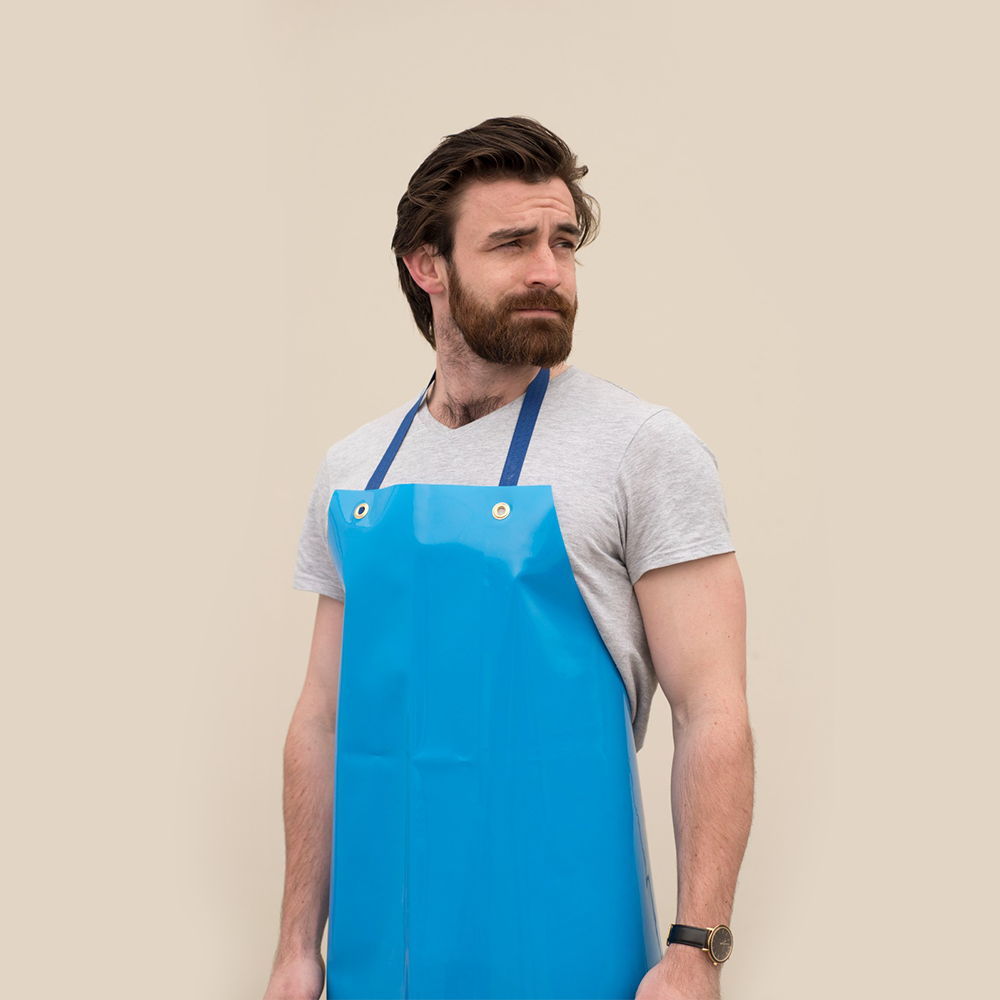
PSC Trading’s Heavy-Duty TPU Food Processing Apron | 900mm × 1200mm combines durable TPU construction with generous front coverage. It’s a practical workwear option for Australian butcher shops, abattoirs, seafood processors, commercial kitchens and food-production facilities.
Generous 900mm × 1200mm Front Coverage
The apron measures 900mm wide by 1200mm long, giving workers broad coverage across the front of the body.
These dimensions can be useful in processing environments where employees spend much of the shift working at benches, preparation tables, sinks or production stations. The wider format covers more of the wearer’s uniform, while the longer length extends protection down the front of the body.
A larger apron may be suitable for workers who:
-
Perform regular meat or food-preparation tasks
-
Work around routine processing splashes and residue
-
Move between preparation and cleaning duties
-
Need more coverage than a standard fabric apron provides
-
Wear protective workwear throughout extended shifts
The correct apron size depends on the employee, task and working environment. Before use, confirm that the 900mm × 1200mm dimensions provide suitable coverage without creating a snagging or movement concern.
Why Choose a TPU Food-Processing Apron?
TPU, or thermoplastic polyurethane, is used in workwear designed for demanding professional environments. In this apron, it creates a durable outer layer intended for food-processing applications.
For purchasing managers, material is only one part of the decision. The apron must also suit the work being performed, fit the employee correctly and align with the site’s cleaning and hygiene procedures.
A heavy-duty TPU apron may be considered for:
-
Meat preparation and processing
-
Butcher-shop production areas
-
Abattoir and boning-room tasks
-
Poultry and seafood processing
-
Commercial food preparation
-
Packing and production areas
-
Appropriate cleaning duties
Each workplace should assess the apron for its intended application. The product should not be treated as a replacement for cut-resistant equipment, chemical protection or other specialised PPE required for a particular hazard.
Designed for Work Behind the Counter
Customer-facing aprons and processing aprons serve different purposes.
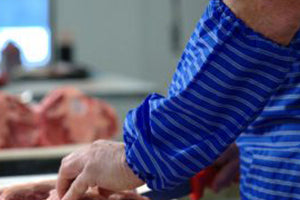
A traditional striped fabric apron may be ideal for counter service, order packing or light preparation. Processing work, however, can require a more substantial outer layer with greater front coverage.
PSC Trading’s heavy-duty TPU apron is aimed at the practical needs of production environments rather than decorative uniform styling. Its straightforward design makes it relevant for workers who need an apron that supports the task being performed.
That distinction matters when selecting workwear. Instead of issuing the same apron to every employee, businesses can choose equipment according to each person’s duties, exposure and workspace.
Suitable for Australian Food Businesses
Food-processing conditions vary considerably across Australia. An independent butcher shop has different requirements from a large abattoir, while seafood, poultry and commercial-kitchen teams each work with their own procedures and equipment.
The 900mm × 1200mm TPU apron may be relevant for:
-
Independent butcher shops
-
Supermarket meat departments
-
Abattoirs
-
Boning rooms
-
Meat-processing plants
-
Poultry processors
-
Seafood-processing facilities
-
Commercial kitchens
-
Food-production businesses
-
Butchery training environments
Before introducing any new workwear, businesses should compare the product with their documented safety, hygiene and uniform requirements.
Fit Should Be Checked Before Every Shift
Generous coverage is useful only when the apron fits correctly. Before entering the work area, the wearer should put on the apron over their normal uniform and any compatible protective equipment.
The employee should then walk, bend, reach and move as the task normally requires.
Check that:
-
The apron covers the intended areas
-
The length does not create a trip or snagging risk
-
The width does not restrict arm or leg movement
-
The fastening arrangement remains secure
-
The apron does not interfere with gloves or protective footwear
-
Other required PPE can still be worn correctly
If the apron shifts excessively or feels restrictive, adjust the setup before work begins. An employee should not modify the apron in a way that could affect its intended use.
Use It as Part of a Complete PPE Setup
A food-processing apron provides an additional outer layer, but it is only one part of a workplace equipment system.
Depending on the role, employees may also require:
-
Protective footwear
-
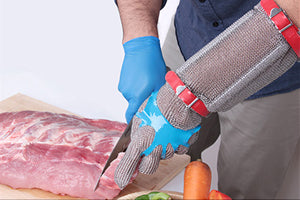
Cut-resistant or mesh gloves
-
Mesh aprons
-
Safety glasses
-
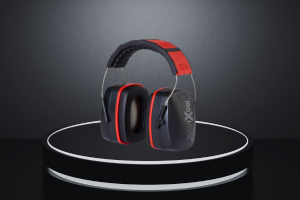
Hearing protection
-
Butcher’s belts and knife pouches
-
Other task-specific PPE
Equipment should be selected through the workplace’s risk-assessment process. Every item must fit together without preventing another product from being worn or used correctly.
The TPU apron should never be presented as providing protection beyond its documented purpose.
Inspect the Apron Regularly
Heavy-duty workwear still needs routine inspection. Frequent checks help identify damage before the apron is placed into active use.
Before each shift, examine the complete apron and look for:
-
Cuts, tears or punctures
-
Worn or weakened areas
-
Damage around the edges
-
Problems with straps or fastening points
-
Changes affecting the apron’s shape
-
Residue remaining from previous use
-
Damage that may reduce the expected coverage
If the apron is damaged or no longer fits as intended, remove it from use and follow the workplace’s process for assessment or replacement.
Cleaning and Storage
Aprons used in food-processing environments should be managed under the business’s documented hygiene program.
Follow the product directions and workplace procedures when cleaning the TPU apron. Do not assume that every processing apron can be cleaned with the same products, temperatures or methods.
During cleaning, inspect the front, back, edges and attachment areas. Once the apron has been prepared according to site procedures, store it in the designated workwear area away from used equipment and possible sources of contamination.
Consistent storage makes it easier to locate, inspect and issue the correct apron at the beginning of each shift.
Shop Heavy-Duty TPU Aprons in Australia
When processing work demands more front coverage, apron dimensions shouldn’t be an afterthought.
PSC Trading’s Heavy-Duty TPU Food Processing Apron provides a durable outer layer in a generous 900mm × 1200mm format. It’s a practical choice for Australian meat, seafood and food-production businesses looking for professional workwear suited to demanding processing environments.
Shop the Heavy-Duty TPU Food Processing Apron and explore PSC Trading’s range of professional butcher and food-industry workwear online in Australia.
