
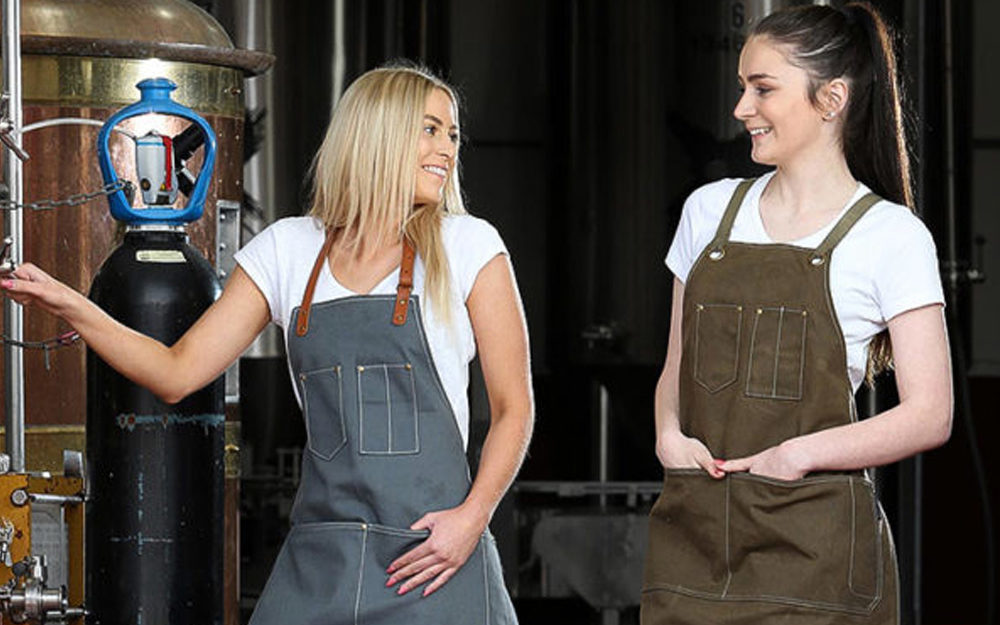

You've got a long shift, a hot line, a greasy prep bench, and an apron that looked fine at the counter but is now riding up your neck, leaking through at the front, or twisting every time you bend to grab a crate. That's the test. Aprons for women in food work aren't about decoration, they're about whether the garment stays put, keeps out contamination, and lets you finish the shift without fighting it.
Most buyers start with colour or style and end up replacing the same apron three times. That's a bad way to spend money. The right call is simple, match the apron to the job, the body, and the shift length, then make the material and fastening do the heavy lifting. In Australian food-processing and hospitality work, that approach matters because aprons moved from domestic overgarments into workplace PPE as women's roles changed and labour-force participation expanded, with archival sources noting the shift from household use in the mid-20th century to workplace use from the 1970s onward (Australian apron history and labour context).
Table of Contents
- Why the Right Apron Matters on the Job
- Materials That Hold Up in Wet, Hot, and Wash-Down Work
- Sizing and Fit for Female Bodies at Work
- Fastenings, Straps, and Accessories That Change the Shift
- Cleaning, Replacement, and Hygiene Compliance
- Matching the Apron to the Role
- When a Waterproof Apron Is Not the Safest Choice
Why the Right Apron Matters on the Job
The wrong apron usually fails in the same place first, right where the work is most repetitive. A butcher rinsing down at the end of service, a chef plating through a dinner rush, or a home cook lifting roasting trays all find out quickly whether an apron soaks through, cuts into the neck, or exposes the thighs when they bend. That's not a style problem. That's a PPE problem.
What failure looks like in real work
A thin apron that looks tidy at the start of service can become useless once water, fat, or sauce hits it. If it clings, twists, or rides high, the wearer keeps adjusting it with dirty hands, and that defeats the point. In food work, the apron is there to protect clothing and help control splash and contamination, not just to make the team look matched up.
The practical issue for women is fit. Unisex cuts often assume one body shape, then punish anyone whose torso length, shoulder width, or bust line doesn't line up with the pattern. Recent Australian workplace-safety guidance keeps circling back to the same principle, PPE has to fit the wearer properly, not merely exist on the shelf.
Practical rule: If the apron needs constant fixing during prep, it's already the wrong apron.
Why the job, not the label, should decide
The clearest way to choose is to sort by task severity. A short front-of-house shift needs a different apron from a wet-area wash-down job, and a home cook hosting Sunday lunch needs a different solution again. That's why the useful decision points are material, fit, fastening, and care. Everything else is packaging.
Australian history backs that up. Aprons were common adult women's garments at home through the 1920s to the 1960s, then began to decline from the 1970s as women worked outside the home more often and protective overgarments became less necessary in domestic life (Australian apron history and labour context). In workplace terms, the apron didn't disappear, it changed function. It became occupational PPE, especially where hygiene and splash control matter.
That's the lens I'd use. Stop asking whether the apron is “nice”. Ask whether it keeps the shift clean, keeps the body comfortable, and still looks acceptable after a proper day's use.
Materials That Hold Up in Wet, Hot, and Wash-Down Work

Start with barrier needs, then look at comfort
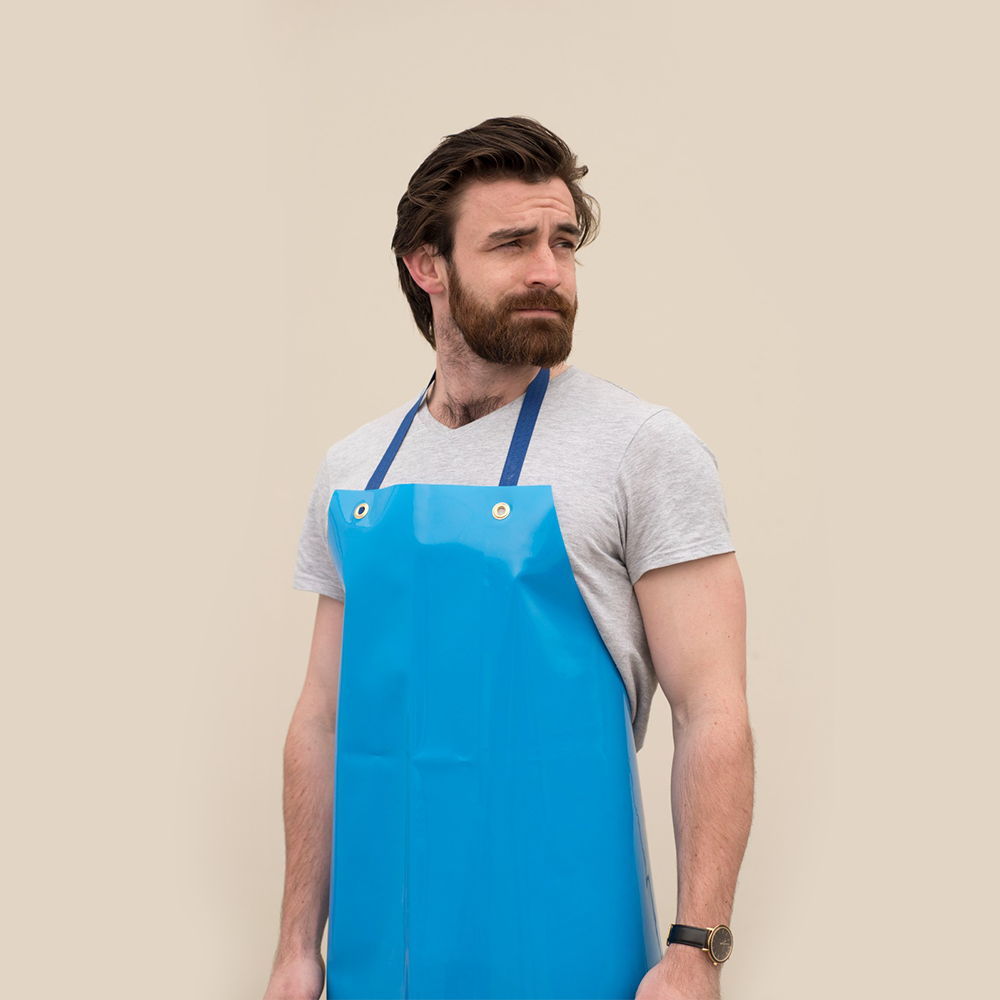
If the apron has to stop splash, blood, stock, oil, or detergent overspray, choose a waterproof barrier first. TPU and PVC do that job. In food-processing and wash-down areas, both materials wipe clean quickly and resist soak-through better than fabric. Suppliers carry industrial and food-grade apron ranges in TPU, PVC, waxed canvas, leather, and durable nylon, so the material choice can be matched to the task instead of the colour rack.
A smooth, non-absorbent surface is easier to sanitise, and that matters when hygiene beats comfort. In repetitive bend, lift, rinse, and wipe cycles, the apron needs to hold its shape, shed liquid, and avoid turning heavy or sticky by the middle of the shift.
What each material family does well
TPU is the cleaner pick for many food-processing tasks. It is made for waterproof use and easy wipe-downs, so it suits splash-heavy benches and wash-down zones. PVC gives similar barrier performance and is common where you want a tough, low-care shell that stands up to mess. If liquids are the problem, these are the materials to choose.
Waxed canvas earns its place when you need a tougher feel with better heat and abrasion tolerance than standard hospitality fabric. Leather follows the same logic, but it is heavier and more specialised, better for rougher wear and heavy-duty processing where surface damage is the main enemy. Durable nylon sits in the middle, giving you a hard-wearing textile that moves better than a stiff plastic apron while still holding up in daily use.
Hospitality textiles are the comfort choice. They breathe better, sit lighter on the body, and look right front-of-house. They do not beat TPU or PVC in wet or contaminated zones, but they are easier to wear through long service when the job is dry, fast-moving, and customer-facing.
A simple selection rule
If the task is wet, greasy, or contamination-heavy, choose TPU or PVC. If the task is rough, hot, or abrasion-prone, look at waxed canvas or leather. If the job is mostly dry service work, reach for textiles or nylon. That is the cleanest way to avoid overbuying the wrong thing.
For a straight comparison of food-processing materials, read PSC Trading's apron guide on TPU versus PVC before you place an order.
Sizing and Fit for Female Bodies at Work
Fit is posture, not vanity
An apron that “fits” on paper can still wreck a shift if the neck load sits wrong or the front coverage ends too high. That's what happens with too many unisex cuts. The wearer gets neck strain, shoulder restriction, or a gap at the front when bending to unload trays, wipe benches, or clean drains. The problem isn't the woman. The pattern is wrong.
Australian labour-force patterns matter here because women work across sectors that use aprons every day, especially accommodation and food services, health care and social assistance, and retail trade. Fit failures aren't rare edge cases in those sectors, they're routine. That's why apron sizing needs to be treated as an ergonomics decision, not a chest-measurement decision.
Practical rule: The apron should cover from upper chest to at least mid-thigh, and in heavier wet work, closer coverage is often the better call.
What to check before you order
Start with torso length. If the bib ends too high, splash reaches the clothing underneath. If it hangs too low, the apron pulls awkwardly when the wearer sits, bends, or reaches into low storage. Next, check strap placement. If the weight sits on the neck all day, the apron becomes fatigue you can feel by mid-shift.
Neck-hole width matters too. A narrow opening can pinch over a shirt, thermal top, or base layer. A wider opening improves comfort, but if it's too loose, the apron drifts and the coverage becomes sloppy. That's why “women's” sizing shouldn't be treated as one block. Body shape, bust line, shoulder width, and height all change how the garment sits.
Here's the supplier question I'd ask if stock sizes don't line up. Does the range include XS to 2XL, and can the strap system be adjusted so the apron sits correctly without dragging on the neck? In specialist jobs, that detail matters more than print or colour.
The supplier conversation that saves money
If you're buying for a team, measure a few real wearers, not the ideal fit chart on a box. Watch them bend, reach, and lift while wearing base layers they use. A good apron should stay centred, keep front coverage, and leave enough shoulder freedom for repeated work.
If you want a customisable route for team orders or branding, personalised aprons in Australia are only useful if the base fit is right first. Embroidery doesn't fix a bad cut.
Fastenings, Straps, and Accessories That Change the Shift
The fastening decides where the load goes
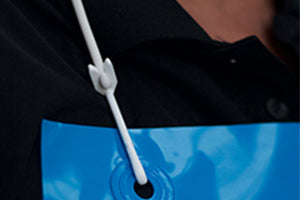
A lot of buyers get fixated on the cloth and ignore the straps. That's a mistake. The fastening system controls whether the apron feels fine for one hour or tolerable for eight. Classic neck styles put more load high up. Cross-back styles move that load to the shoulders. Flat strap and buckle systems give cleaner adjustment and usually sit better when the wearer is moving a lot.
Bottom line: If your team bends, reaches, and turns all day, strap geometry matters as much as fabric weight.
Compare the common options
| Fastening | Load Location | Adjustability | Best For |
|---|---|---|---|
| Classic apron hooks | Neck and upper chest | Basic | Short shifts, lighter work |
| Flat strap and buckle ties | Shoulders and upper back | Good | Longer shifts, team-fit adjustment |
| Cord and hook sets | Neck with some spread | Moderate | Light to medium use |
| Cross-back configurations | Shoulders, not neck | Strong | Long prep shifts, repetitive bending |
Flat strap and buckle ties are the quiet workhorse here. They're easier to dial in, and a well-set buckle system can reduce the feeling that the apron is hanging from the throat. Cross-back setups go a step further by shifting load off the cervical spine. That's the one I'd reach for first in kitchens, butcher rooms, and wash-down environments where the apron stays on all day.
For buyers comparing hardware, the flat strap and buckle apron ties guide is the right reference point because it matches the fastening choice to actual work, not showroom language.
Accessories that earn their keep
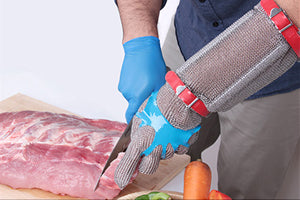
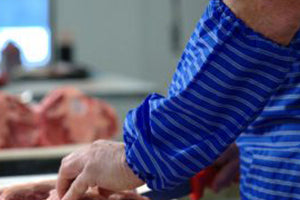
If the apron needs to carry tools, don't pretend the apron alone can do that job. Knife pouches and butcher belts solve carry and access issues in meat work far better than stuffing blades into pockets. Sleeve protectors matter when the upper arm is part of the contamination zone or the wash-down zone.
Use the add-ons only when the workflow needs them. A front-of-house apron with a pen pocket is enough for service notes and order pads. A butcher's apron plus belt setup earns its place when the worker needs fast access to blades, markers, or a scraper without breaking rhythm. The tool should support the task, not drag the apron out of shape.
Cleaning, Replacement, and Hygiene Compliance
Clean the apron like it's part of the food system
A waterproof apron that stays dirty is a hygiene failure, not a maintenance issue. TPU and PVC should be wiped down after use, then dried fully before storage. If the surface starts to crack, peel, or hold residue in damaged spots, retire it. That's the point where the material stops being a barrier and starts becoming a contamination risk.
Textile aprons need a different routine. They should go through laundering on a predictable schedule, and in food work the wash process has to be strict enough to remove grease and residues, not just freshen the fabric. If the apron can't be cleaned properly after a shift, it shouldn't stay in rotation.
Reusable, waterproof, or disposable
The market split tells you something useful. Reusable aprons held the largest share at 42.3% of the apron market in 2025, while waterproof aprons made up 16.8% in the same year (apron market report). That lines up with what buyers do. They want long-life garments for regular use, then a smaller but clear group of waterproof aprons for wet and high-contamination work.
Disposable aprons still have a place. Use them for short, dirty, or contamination-sensitive tasks where laundering doesn't make sense and cross-contamination control matters more than waste reduction. But don't default to disposable just because it's easy. In a site that can support reusable PPE, the better answer is usually a durable apron that's cleaned correctly and replaced before it fails.
When to pull an apron out of service
Retire an apron when the barrier is compromised, the stitching fails, or the fasteners won't hold under movement. If it smells after washing, keeps residue, or no longer sits flat on the body, it's done. That's true for cloth and waterproof aprons alike.
The waste question matters too. Australian reporting keeps textiles in the hard-to-manage category, so extending apron life through proper cleaning and repair is a sensible commercial choice. A reusable apron that lasts longer and stays hygienic is cheaper in the long run than a string of short-lived replacements.
Matching the Apron to the Role

Butcher shops and independent meat processors
For butcher work, pick TPU or PVC first if the bench is wet, greasy, or wash-down heavy. If the work is rougher and abrasion is the main issue, waxed canvas or leather can make sense, but only if hygiene protocols still hold. Use a cross-back or well-set flat strap and buckle arrangement so the apron isn't hanging from the neck all day.
Size matters more than people admit in meat rooms. If the apron rides too high, blood and water get to the clothes underneath. If it's too short, the lower body is exposed during trimming, rinsing, and packing. In this setting, tool carry can justify a butcher belt or knife pouch, because the worker needs access without breaking flow.
Hospitality venues and commercial kitchens
Front-of-house wants a cleaner look, but that doesn't mean the apron can be flimsy. Go for durable textile or a lighter nylon option when the role is mostly dry service, then move up to TPU or PVC if the station is splash-prone. Hospitality aprons should wash well, sit comfortably through long service, and still look sharp after repeated use.
If you're fitting a team, keep the strap system adjustable and avoid heavy neck-only setups for long shifts. The apron should support movement, not fight it. A well-cut textile apron works beautifully for plating, hosting, and lighter kitchen tasks, while a waterproof option belongs on the wet side of the pass or in prep zones.
Home users and serious cooks
A serious home cook does not need a full industrial wardrobe. One durable textile apron, or a waxed-canvas option if the cooking is heavy and messy, will cover most needs. The key is choosing something that survives repeated use and covers the body when carrying hot trays, basting, or clearing up after a long roast.
If you're buying for mixed home and small-batch use, keep the design simple. Good coverage, easy cleaning, and a fastening that doesn't shift every five minutes are enough. That's where a thoughtful supplier range helps, because one apron can work for prep, serving, and clean-up if the cut is right.
For teams buying across multiple roles, a single Australian supplier with apron, PPE, and food-processing lines can keep the order consistent. PSC TRADING Co PTY LTD fits that model because it supplies industrial and food-processing aprons alongside accessories and related PPE for butcher, abattoir, and hospitality environments. That matters when you're standardising fit across different bodies and different stations.
When a Waterproof Apron Is Not the Safest Choice
Waterproof doesn't automatically mean safer. If the shift is hot, mobile, and only lightly dirty, a TPU or PVC apron can trap heat, feel clumsy, and become a nuisance if it isn't dried and maintained properly. That can push workers to loosen it, remove it, or wear it badly, which is the opposite of good PPE practice.
A textile apron can be the better call when breathability and grip matter more than liquid barrier. Front-of-house service, dry prep, and lighter kitchen work often suit a fabric apron that sits closer to the body and moves better. The point is not to choose the most sealed-up option available. The point is to choose the apron that the wearer can keep on correctly for the whole task.
Australian clinical and industrial radiation apron data make the same broader point. Layered constructions can preserve shielding while changing how the garment feels on the body, which is a reminder that structure matters as much as surface material (lead-equivalent apron performance data). In food work, the parallel is obvious. A well-designed textile or layered apron can be the more defensible choice if it supports movement, hygiene, and compliance better than a stiff waterproof shell.
If you're fitting women into aprons for real work, stop buying by appearance and start buying by task. Check the material, the strap layout, the body coverage, and the cleaning routine. Then buy the apron that stays on, stays clean, and stays out of the way.
If you're buying aprons for a butcher shop, kitchen, or hospitality team, compare the material and fastening against the actual shift before you place the order. For Australian wholesale buyers, start with a fit check on two or three real wearers, then choose the apron that matches the work, not the marketing copy.
