


You're probably dealing with this already. A load turns up on time, cartons look clean, the driver hands over the paperwork, and then the logger shows a temperature excursion. Now you've got staff waiting, orders due out, and one ugly question sitting in the middle of the floor. Can you still use the stock, or are you about to wear the loss?
That's what cold chain management looks like in real operations. It isn't a theory from a food safety manual. It's the discipline that decides whether meat stays saleable, whether shelf life holds up, and whether your site keeps control when something goes wrong. In a butcher shop, abattoir, boning room, wholesaler, or hospitality kitchen, the cold chain lives or dies through routine decisions. Door open too long. Pallets stacked tight against each other. Product left waiting on a dock. Data logger ignored because the truck “felt cold enough”.
Table of Contents
- Why Cold Chain Management Is Your Business Lifeline
- The Five Critical Links of an Unbroken Cold Chain
- Essential Equipment and Materials for Meat Processors
- Mastering Temperatures and Australian Compliance
- When the Chain Breaks Common Failures and How to Respond
- Optimising Your Cold Chain for Profitability and Safety
Why Cold Chain Management Is Your Business Lifeline
A new supervisor often thinks cold chain management is mostly about refrigeration. It's not. It's about controlling product condition from the moment meat leaves one controlled environment until it reaches the next one without losing safety, quality, or shelf life.
If you receive a shipment of vacuum-packed primals and the temperature history is questionable, the problem isn't limited to that one pallet. You lose confidence in the lot, you disrupt picking, you create more paperwork, and you may end up short on stock for customers who won't care why the order changed. That's why cold chain management sits right beside yield and labour as an operational priority.
In Australia, that matters at scale. Meat and poultry accounted for 23.73% of the total Australian cold chain logistics market in 2025, making it the leading application segment by volume and value, according to Mordor Intelligence's Australia cold chain logistics market analysis. For meat businesses, that isn't just market context. It tells you your operation sits in the largest pressure point of the cold chain network.
What the job really involves
Cold chain management means controlling five things at once:
- Product temperature: Meat has to stay within the correct range for its state, chilled or frozen.
- Handling time: Every minute product spends exposed on a dock, trolley, bench, or truck floor increases risk.
- Physical protection: Packaging has to prevent contamination, leaks, and avoidable damage.
- Movement discipline: Transfers between rooms, trucks, and display or storage areas have to be organised.
- Proof: If you can't show temperature history and actions taken, you can't defend the product decision.
A practical example. A carton of beef can leave a chiller in good condition, travel in a compliant vehicle, and still become a problem if it sits at receival while staff finish another task. The truck wasn't the failure. The handover was.
Practical rule: Don't treat cold chain management as a food safety box-tick. Treat it as margin protection with hygiene consequences.
If you're ordering consumables, cartons, liners, or other industrial packaging supplies for food operations, judge them the same way you judge any cold chain input. Do they help you move product fast, protect it from exposure, and keep the lot identifiable when pressure is on?
Supervisors who get this right don't wait for a failed audit to tighten up. They run receival, storage, handling, and dispatch as one continuous system.
The Five Critical Links of an Unbroken Cold Chain
Think of the cold chain as a physical chain. One weak link doesn't weaken part of the system. It compromises the lot.

Link one starts at receival
Receival is where good product gets protected or lost. The truck arrives, doors open, paperwork gets checked, and product has to move quickly into the right environment. If staff don't know which room is ready, where the lot is going, or who signs off the logger, the chain is already under stress.
The first link is temperature control. Setpoints matter, but so does product temperature at the point of handover. A room can read correctly while warm product is being rolled into it. That's why receiving checks have to focus on the actual load, not just the room display.
The second link is safe handling. Meat moves through human hands, pallet jacks, hooks, benches, tubs, and doors. Rough handling tears packaging. Slow handling extends exposure. Wet floors, blocked aisles, and poor staging all turn temperature control into a guessing game.
The third link is protective packaging. Vacuum bags, liners, cartons, and wraps don't refrigerate product, but they do buy stability and protect integrity. When seals fail or cartons soften, handling damage rises and the chance of contamination goes with it.
Where most sites come unstuck
The fourth link is refrigerated transport. A compliant truck helps, but it won't save a badly loaded or badly staged consignment. If warm product goes in late, or the driver waits with doors open during loading, the reefer is trying to recover a problem your team created.
The fifth link is continuous monitoring. If temperature is only checked at departure and arrival, you're blind during the most vulnerable period. You need records that show what happened in transit and during handover, not assumptions based on how cold the product felt.
A UNEP-backed analysis found that the greatest likelihood for perishable food to suffer damage in the cold chain occurs during transportation and handling between mobile and stationary refrigeration points, as outlined in the Australian cold food chain issues and improvements presentation. That lines up with what operators see every week. It's usually not the freezer room that causes trouble. It's the transfer.
Use this quick chain check on shift:
- At receival: Confirm space is cleared before the truck doors open.
- During unloading: Move product straight to its assigned zone, not to a temporary holding spot.
- In processing: Limit bench time and return partial lots promptly.
- At packing: Seal, label, and consolidate without leaving cartons exposed.
- Before dispatch: Verify logger placement and vehicle condition before loading starts.
Cold rooms don't break the chain by themselves. People break it through delays, bad staging, and casual handling.
Sites that perform well don't rely on one heroic step. They reduce handover friction at every link.
Essential Equipment and Materials for Meat Processors
The right equipment doesn't fix poor discipline, but poor equipment makes good discipline harder to hold. In meat processing, cold chain management depends on tools that support fast movement, clean handling, consistent sealing, and proper airflow.

Following one side of beef through the site
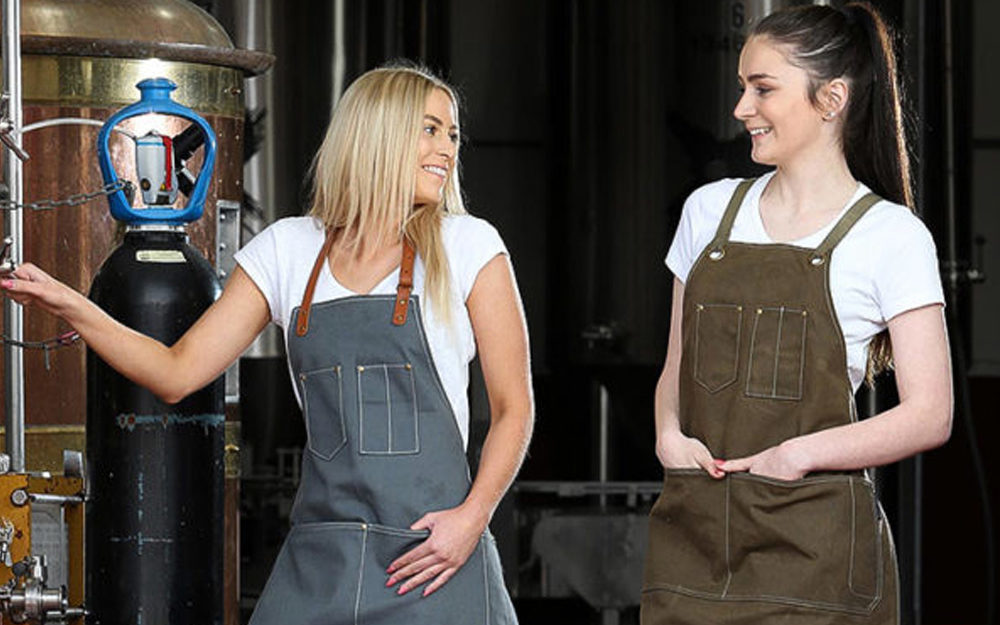
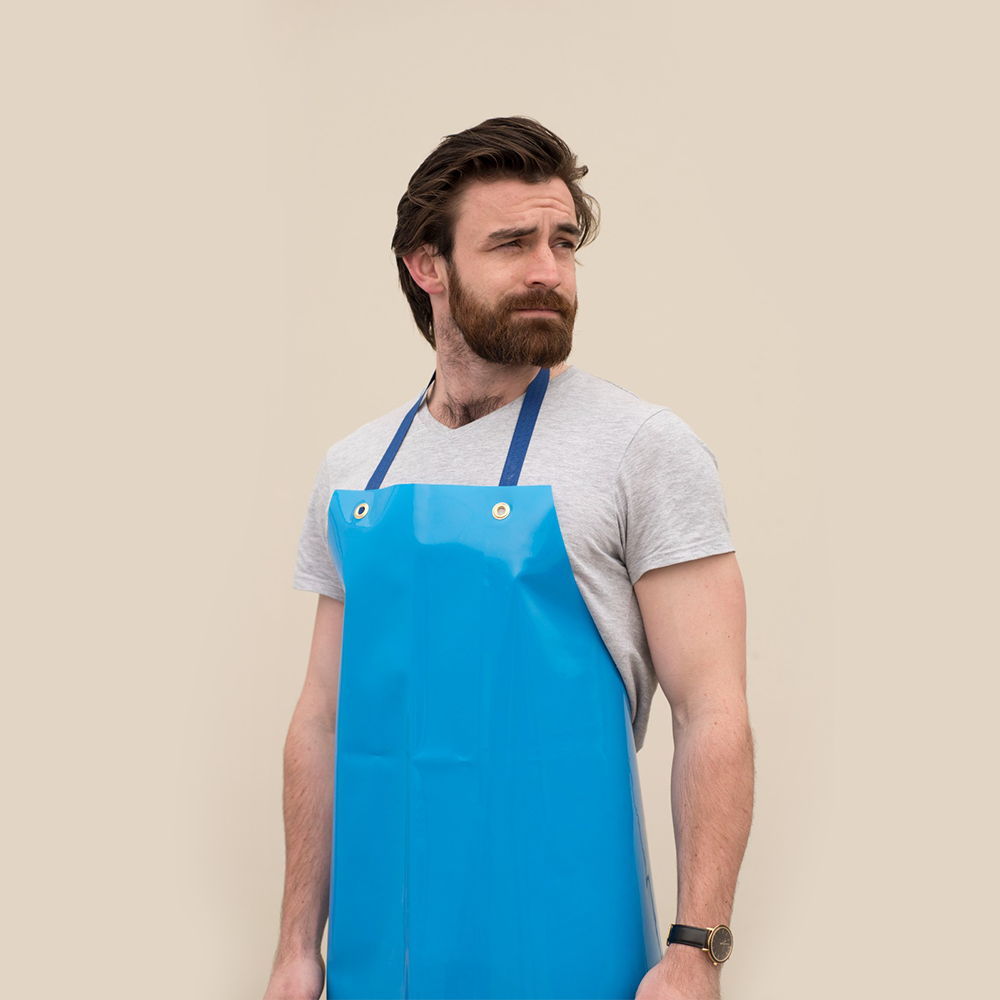
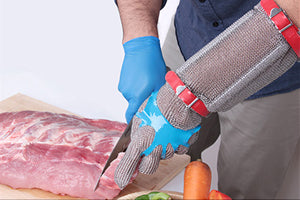
Start with a side of beef arriving from slaughter into cooling. Staff handling wet product need waterproof food-grade aprons, sleeve protection, and PPE that can stand up to wash-down conditions. If aprons soak through or catch badly during movement, staff slow down, stop changing gear when they should, and contamination control suffers.
Once the product moves into cutting and portioning, the cold chain depends on work flowing cleanly. Knife pouches, organised benches, and clearly staged tubs or trays help keep operators from leaving meat exposed while they look for tools or space. That sounds basic because it is basic. Most cold chain failures aren't dramatic. They're made of small delays.
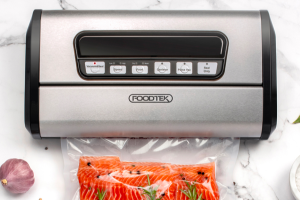
Packaging is where shelf-life discipline becomes visible. Vacuum machines and compatible vacuum bags matter because they give you a reliable seal and reduce exposure after portioning. If seals are inconsistent, purge accumulates, packs loosen, and handling confidence drops. A butcher display cabinet will expose those mistakes quickly.
For transported mince or vacuum-packed cuts, data loggers are the practical proof that the product was held correctly during delivery. They also help you make a calmer decision when a customer questions a load.
The overlooked gear that stops expensive mistakes
One item operators often underrate is the freezer pallet spacer. In frozen storage, airflow matters just as much as setpoint. Pallets stacked too tightly create blocked air paths and warm pockets. Product near the outside may appear fine while the centre freezes unevenly.
According to the Australian Department of Agriculture study on waste in the cold food chain, freezer pallet spacers are a mechanical requirement that prevents “dead zones” where air cannot circulate, supporting cold chain integrity for frozen meat products. On the floor, the lesson is simple. Don't pack a freezer like a dry store.
Use equipment according to the job stage:
- During wet handling: Choose TPU or similar waterproof aprons that clean fast and don't hold fluid.
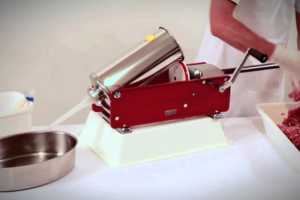
- During processing: Keep cutting, mincing, and filling equipment positioned to shorten bench time.
- During packing: Match the vacuum machine and bag size to the cut, not the other way around.
- During frozen storage: Use pallet spacers so air can move around the load, not just around the room.
- During dispatch: Put loggers where they reflect product conditions, not where they're easiest to retrieve.
A lot of sites focus on major capital items and ignore the accessories that stabilise daily work. That's backwards. Throughput often falls apart because of small operational frictions. If you need a practical example of how airflow support changes storage discipline, this guide on optimising cold storage with freezer pallet spacers is worth reviewing with your warehouse lead.
What works is equipment that reduces handling time and preserves product condition. What doesn't work is buying hardware, then loading the room in a way that defeats it.
Mastering Temperatures and Australian Compliance
At 4:30 a.m., the chiller display says everything is fine, but a warm pallet core can still cost you a load, a customer, or both. Supervisors who keep product inside limits do two things well. They know the numbers without guessing, and they know which reading decides whether meat ships, stays on hold, or gets investigated.

The numbers that matter on the floor
For chilled Australian meat products, food must be transported, stored, and handled at temperatures never warmer than +5°C, with a recommended operating range between 0°C and +4°C, according to the Australian Cold Chain Guidelines. That working range gives you control without pushing chilled stock into accidental freeze damage.
Frozen product is less forgiving. Frozen meat must be maintained at -18°C or colder, and potentially hazardous foods, including meat, must be kept out of the 5°C to 60°C danger zone, as outlined in this Australian cold chain logistics guide referencing FSANZ Standard 3.2.2. Once product starts drifting, the conversation stops being about storage discipline and starts being about shelf life loss, rework, or disposal.
Carcase cooling has its own control point. Under Australian Standard AS 4696 requirements summarised by DAFF, carcase surfaces must reach no warmer than 7°C within 24 hours of stunning. On a busy kill floor, that matters because a room can be cold while heavy bodies, tight spacing, or delayed transfer still slow the actual cooling rate.
Processing adds another layer. Red meat during slaughter and further processing is generally managed below 7°C, while poultry runs tighter at less than 4°C, as explained in this overview of meat cold chain temperature control. Those limits affect staffing, batch size, and line pacing. If trimming tables back up or tubs sit too long before return to chill, temperature control is already slipping before any alarm goes off.
What good supervisors check every shift
Good supervision starts with product, not the wall sensor.
Room readings still matter, but they are only one part of the decision. Product temperature, dwell time, pack format, stack density, and recent handling tell you whether the cold chain is under control. A clean dashboard can hide a poor loading pattern or a batch that came off process too warm.
Build the shift around checks that support release decisions and breach response later if something goes wrong:
| Check point | What you verify | Why it matters |
|---|---|---|
| Chilled storage | Product is held between 0°C and +4°C and never warmer than +5°C | Keeps stock inside the operating band for chilled meat |
| Frozen storage | Product remains at -18°C or colder | Protects frozen integrity and avoids partial thaw events |
| Carcase cooling | Surface cooling is progressing fast enough to meet the required limit | Confirms slaughter floor control is carrying into chilling |
| Processing rooms | Exposure time is kept tight while cutting, deboning, or mincing | Stops production activity from becoming the weak link |
| Transport logs | Logger records support the lot history | Gives you evidence for release, hold, or investigation decisions |
A compliant room is not proof of a compliant product. Check the meat.
That distinction matters even more in Australian meat plants because the critical pressure comes after a deviation. You need records that let you answer practical questions fast. Which lot was exposed, for how long, at what product temperature, and where is it now? Those answers are what turn a temperature issue into a contained hold instead of a wider commercial problem.
For transport-sensitive shelf life, some chilled vacuum-packed beef decisions rely on the UTas model using a storage setting of -0.5°C and subtracting shipping time from labelled shelf life, as detailed in MLA's guide to data loggers and the shelf life model. That is why logger reviews matter. They do not just satisfy auditors. They support shelf-life claims, customer discussions, and release decisions when a truck, dock, or cold room does not perform the way it should.
If you want a practical reference for documentation discipline, corrective actions, and audit expectations, PSC Trading's food safety and HACCP commitment in Australia is worth reviewing with your QA lead and dispatch supervisor together.
When the Chain Breaks Common Failures and How to Respond
Most articles stop at “monitor temperatures closely”. That isn't enough when the logger alarms, the dock is full, and half the load is due out today. Meat processors need a breach response that tells staff exactly what to do in order, not generic advice.

Why generic advice fails meat processors
Australian guidance for vaccine cold chain breaches is detailed and prescriptive. Meat operations don't usually get that same level of step-by-step breach direction in general industry material. That gap matters because meat isn't handled like vaccines. It comes in varied pack formats, mixed load conditions, exposed surfaces, wet environments, and active production settings.
As Ausmed's cold chain management article notes, region-specific breach-response frameworks for the perishable meat sector are largely absent from general industry coverage, even though breach handling is a practical need for abattoirs and butchers. So sites need to write their own disciplined response and train it until people can run it under pressure.
The common failures are familiar:
- Loading dock delays: Product waits because the room isn't ready.
- Door discipline failures: Chiller or freezer doors are opened repeatedly during busy periods.
- Equipment faults: A room holds air temperature poorly or a truck unit underperforms.
- Human shortcuts: Staff stack pallets too tightly, skip logger review, or “just hold” stock in an aisle.
- Poor segregation: Suspect product gets mixed with cleared stock and traceability becomes messy.
If your breach response starts after an argument, it started too late.
A practical breach response you can run today
When a logger shows an excursion, don't jump straight to discard or release. Move through a controlled hold-and-assess sequence.
| Step | Action | Rationale |
|---|---|---|
| 1 | Isolate the affected stock immediately | Stops suspect product being picked, processed, or sold |
| 2 | Label the lot clearly as held stock | Prevents accidental use during a busy shift |
| 3 | Stop further exposure | Return product to the correct controlled environment without delay |
| 4 | Secure the evidence | Keep logger data, delivery paperwork, and staff notes together |
| 5 | Define the affected scope | Confirm which pallets, cartons, or cuts were on the same event path |
| 6 | Check product state | Assess whether it is chilled, partially thawed, frozen, damaged, leaking, or otherwise compromised |
| 7 | Review time and temperature history | Product decisions should be based on records, not assumptions |
| 8 | Escalate to the site decision-maker | The supervisor, QA lead, or responsible manager must authorise next steps |
| 9 | Re-evaluate shelf life or disposition | Some product may require reduced shelf life, rework, or disposal |
| 10 | Record the root cause and corrective action | Prevents the same breach from repeating next week |
This approach works because it separates containment, assessment, and disposition. That's the part many sites blur together. A stressed supervisor wants a quick answer. The right answer is a controlled process.
Use a real example. A delivery of chilled vacuum-packed lamb arrives with a logger showing an excursion during unloading. Don't argue with the driver on the dock while stock sits there longer. Move the lot into controlled temperature, isolate it, identify all affected cartons, review the time history, and decide disposition with your records in front of you. The first job is to stop the problem getting bigger.
What doesn't work is informal judgement. “It still feels cold” is not a release criterion. Neither is “we've had this before and it was fine”.
Optimising Your Cold Chain for Profitability and Safety
Once a site gets past basic compliance, cold chain management becomes a profit discipline. The biggest gains usually don't come from dramatic changes. They come from reducing repeat loss points that everyone had started treating as normal.
Where the return actually comes from
A well-run cold chain protects margin in ordinary ways. Less stock goes on hold. Shelf life remains more predictable. Staff spend less time arguing over questionable product. Customers receive meat in better condition and complain less often about purge, colour, or short life in storage.
The strongest sites usually improve in three areas at once:
- Lower waste pressure: Fewer preventable holds, disposals, and distressed sales.
- Better labour use: Staff stop rehandling stock because rooms, pallets, and paperwork are better organised.
- Stronger customer confidence: Buyers notice consistency long before they praise it.
One of the clearest examples is freezer loading discipline. When airflow is preserved, freezing is more even and stock rotation becomes easier to trust. When airflow is blocked, your team starts working around uncertainty. That uncertainty costs more than the spacer or logger ever did.
What to review every month
Cold chain performance improves when supervisors review process, not just incidents. Don't wait for a major breach. Look for recurring friction.
A practical monthly review should include:
- Receival delays: Which deliveries sat too long before storage, and why.
- Logger exceptions: Which lanes, vehicles, or handovers keep creating doubt.
- Storage practices: Whether pallet stacking is supporting airflow or fighting it.
- Packing quality: Whether vacuum seals, cartons, and labels are holding up through transport.
- Training gaps: Which staff still rely on habit instead of the SOP.
Better cold chain management doesn't just prevent spoilage. It gives your team cleaner decisions and fewer avoidable fires to fight.
If you run a butcher shop, abattoir, meat room, or hospitality operation, the practical standard is simple. Keep product in range. Move it fast. Protect airflow. Record the evidence. Isolate anything suspect before it spreads through the system.
If you're tightening your site's cold chain management with better equipment, packaging, PPE, or airflow support, PSC TRADING Co PTY LTD supplies meat processing, abattoir, and hospitality operations across Australia with machinery, vacuum packaging, waterproof aprons, PPE, and freezer pallet spacers designed for real processing environments.
