

You're fitting out a venue, the uniforms haven't arrived, and every manager is asking a different question. Front-of-house wants something that looks polished on the floor. The kitchen wants gear that survives heat, spills, and constant washing. Procurement wants a program that doesn't blow out the budget or fall apart after the first busy season.
That's the core function of hospitality industry uniforms in Australia. They're not just clothes, they're operational equipment, shaped by Workplace Health and Safety, food safety, laundering, branding, and staff comfort. In a sector where hospitality establishments are valued at $14.8 billion in 2026 and supported by a distinct commercial laundries industry, uniform decisions sit inside a serious service system, not a styling exercise (IBISWorld).
Table of Contents
- Why Your Uniform Strategy Is More Than Just a Logo
- Front-of-House vs Back-of-House Uniforms
- Choosing the Right Materials for the Job
- Essential Hygiene and Safety Standards
- Laundering Maintenance and Garment Lifecycle
- Balancing Branding Fit and Staff Comfort
- Your Practical Uniform Procurement Checklist
Why Your Uniform Strategy Is More Than Just a Logo
A new venue can open quickly on paper and slowly in practice. The fit-out is finished, the menu is approved, and then someone asks what the team will wear on day one. Too many operators still treat uniforms like a print job, instead of a working part of the operation.
Uniforms behave like equipment
Uniforms need to stand up to the same pressures as other operational gear. They have to survive shift work, repeated laundering, fast changes between staff members, and constant handling in service areas. In hospitality, that means the garment choice affects daily throughput, staff comfort, and how much time gets spent replacing items that should have lasted longer.
A logo still matters. It gives guests a clear visual cue and supports a consistent brand presentation. That only works if the garment underneath holds up in service.
Practical rule: if a uniform slows movement, traps heat, or fails after repeated laundering, it stops being a brand asset and becomes an operating cost.
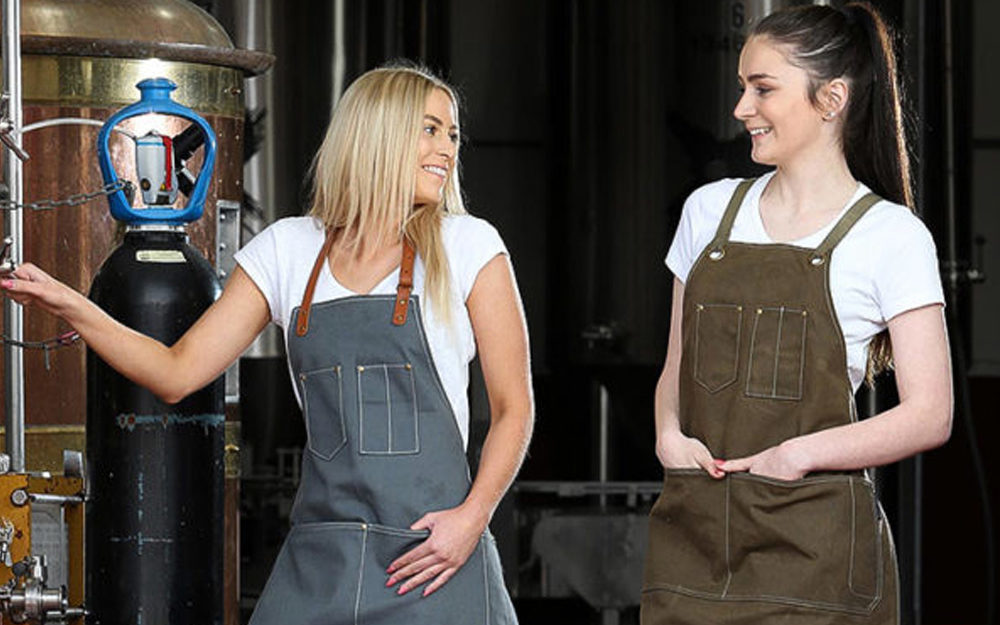
That is why a branded apron cannot be judged on appearance alone. If you are comparing apron options for a cafe, a bistro, or a butcher-style service counter, start with function first, then add the brand layer. A useful place to look at that thinking in product form is this branded printed work apron, because the right design needs to survive daily use, not just look good in a mock-up.
The best operators handle uniforms the same way they handle knives, footwear, or cleaning chemicals. They specify them by role, maintain them as a system, and replace them before failures start affecting service, hygiene, or safety.
Front-of-House vs Back-of-House Uniforms
FOH and BOH uniforms solve different problems, and mixing them up usually means someone has to give something up. Front-of-house clothing needs to support presentation, brand recognition, and a tidy guest experience. Back-of-house clothing needs to support movement, heat tolerance, hygiene control, and protection from hazards.
Front-of-house is brand visibility
A concierge jacket, a well-fitted vest, or a branded polo works because it helps guests read the room quickly. In a hotel lobby, a neatly cut uniform signals order before a word is spoken. In a cafe, a clean polo or apron combination helps staff look cohesive without making the team feel overdressed for service.
That visual consistency matters across different venues and roles, especially where guests move from reception into dining or bar areas and expect the handoff to feel deliberate. FOH clothing should be easy to identify, easy to replace, and durable enough to stay presentable after repeated wear and laundering.
Back-of-house is task performance
BOH garments answer different questions. Can the chef jacket handle heat? Can the apron resist splash? Can the footwear reduce slip risk on a wet floor? In commercial kitchens and meat rooms, those questions matter more than silhouette.

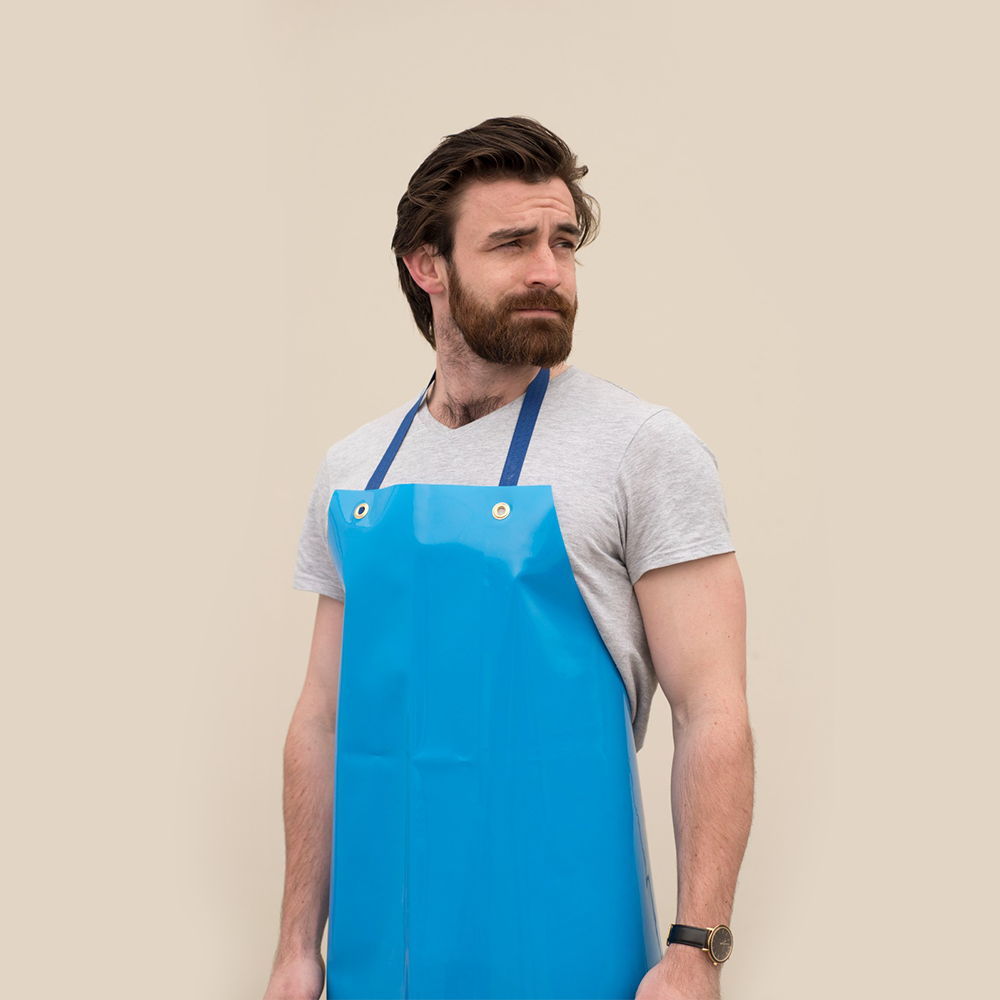
A maitre d' suit and a butcher's waterproof apron are both uniforms, but they are solving opposite problems. One communicates service polish. The other helps manage fluids, movement, and hygiene. If the same standard is applied to both, one side usually ends up underperforming.
Uniform policy works best when FOH is built around presentation and BOH is built around protection. The mistake is asking one garment to do both jobs equally well.
In practice, that means role mapping first, then garment selection. A hotel bar team may need polished shirts and aprons. A grill station or abattoir-adjacent role may need task-first layers, non-slip shoes, and PPE integration. The closer the work gets to heat, moisture, and contamination risk, the more the garment should be treated like protective equipment rather than decoration.
The apron choice often makes that split obvious. A front-facing service apron can prioritise appearance and comfort, while a processing-area apron has to stand up to wash-down conditions and contact with food debris. A practical TPU vs PVC food processing apron guide is useful here because the material decision changes how the garment performs under pressure, not just how it looks on the rack.
Choosing the Right Materials for the Job
Material choice decides how long a uniform stays useful, how often it needs cleaning, and whether staff want to wear it. Australian hospitality suppliers commonly specify breathability, anti-odour, anti-wrinkle, water- and oil-repellent finishes, and easy-care construction because those features reduce heat stress and laundering burden during long shifts (Uniform.com.au).
Match the fabric to the work zone
A cafe apron doesn't need the same spec as a wet back-of-house garment. A customer-facing apron can prioritise drape, colour, and comfort. A processing-area apron needs resistance to liquid penetration and repeated sanitation. That's why procurement should start with the environment, then move to fabric.
PSC TRADING Co PTY LTD manufactures Australian-made aprons in materials used across food-processing and hospitality settings, including TPU, PVC, waxed canvas, and leather. In a mixed venue, that kind of range makes sense because one site can have several risk profiles at once.
- TPU works well where splash resistance, wash-down durability, and food-processing hygiene matter.
- PVC suits general-purpose water resistance in wet work areas.
- Waxed canvas fits front-facing apron use where durability and appearance both matter.
- Leather belongs in tougher industrial settings where heat and abrasion are part of the job.
Compare by task, not by trend
| Material | Key Properties | Best For | Typical Environment |
|---|---|---|---|
| TPU | Water resistant, food-processing friendly, easy to clean | Meat rooms, wet prep, splash zones | Commercial kitchens, abattoir-adjacent areas |
| PVC | General water resistance, wipe-clean surface | Utility aprons, wash-down tasks | Wet back-of-house, cleaning stations |
| Waxed canvas | Durable, hard-wearing, more presentable in guest view | Cafe aprons, service aprons | FOH, casual dining, bar service |
| Leather | Abrasion resistant, heat tolerant | Heavy-duty industrial use | Tough work zones, tool-heavy tasks |
For deeper product comparison, use this TPU vs PVC food processing apron guide when you're weighing wet-area performance against ease of care.
Practical rule: choose the fabric for the mess you expect on your worst day, not the look you want on your best day.
After the material decision, finish details matter. Reinforced stitching, washable trims, and colour choices that hide minor soiling all make daily life easier for staff. The wrong finish fails, often going unnoticed until the first peak period when replacement stock is already stretched.
That's why a procurement brief should ask about construction as much as fabric. Breathable panels help in hot kitchens. Oil-repellent finishes help front-of-house aprons stay cleaner longer. Easy-care garments shorten turnaround time between shifts and reduce the burden on laundry teams.
Essential Hygiene and Safety Standards
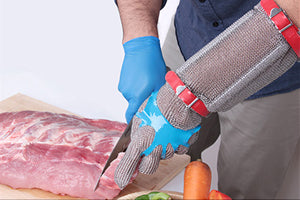
Australian hospitality dress-code guidance doesn't treat uniforms as a style sheet. It treats them as part of workplace control. Closed-toe, non-slip footwear, avoidance of loose fittings, and PPE such as cut-resistant gloves and aprons are all part of a compliant approach to WHS in food service (Payroller).
Safety features need to be built into the garment
A loose sleeve can catch on equipment. Dangling ties can create snag hazards. Poor footwear turns a wet floor into an incident waiting to happen. These are ordinary risks in a commercial kitchen, and they're easier to manage at procurement stage than after an injury.
Food hygiene adds another layer. Food Standards Australia New Zealand requires accessible hand-washing facilities for food handlers, and mobile food premises must have permanent hand-washing facilities fitted, with those facilities clearly identified for hand washing only (FSANZ Standard 3.2.3). That matters because uniforms and hygiene systems work together, not separately.
Clothing and hand hygiene have to align
FSANZ hygiene guidance says food handlers should wash hands before starting food handling, after other tasks, after raw food contact, before touching ready-to-eat food, after using the toilet, and after coughing, sneezing, eating, drinking, or touching the hair or face (FSANZ hygiene guidance). In practice, that means an apron change alone won't solve cross-contamination risk.
A chef moving from raw chicken prep to salad plating needs a hand wash and a clothing change where required. The uniform policy has to make that possible by giving staff enough clean rotations and by keeping PPE easy to reach.
A good uniform policy doesn't just say what staff should wear. It tells them when to change it, when to wash it, and which items are compulsory for each task.
For food-service roles, the practical uniform set usually includes clean aprons or chef jackets, enclosed shoes, hair restraint, and, where needed, beard nets or sleeve protectors. That's where a policy linked to HACCP becomes useful. The garment becomes part of the control system, not a separate admin line item.
If you need a model for linking uniform rules with hazard control, this HACCP guidance note is a useful reference point. The right takeaway is simple, clothing choices in a kitchen can't be separated from contamination control.
Laundering Maintenance and Garment Lifecycle
A uniform only performs well if the cleaning system behind it is strong. If a venue doesn't have enough garments in rotation, staff re-wear items too early, laundry cycles get rushed, and presentation slips at the worst possible time. The garment count is part of hygiene planning, not just stock planning.
Rotation protects both hygiene and uptime
Australian analysis for food-industry and hospitality roles recommends 5 to 7 garments per worker to support daily changes and commercial laundering, with validated 71°C+ wash protocols and workwear built into HACCP plans (Uniforms.com.au). That guidance fits the reality of kitchens, but it also helps hotels and venues with heavy back-of-house workloads.
More garments in rotation mean fewer gaps when a shift runs long or laundry is delayed. It also makes it easier to pull a soiled apron or jacket out of service immediately. In a busy butcher or hotel kitchen, that keeps one dirty item from becoming the reason a whole service line slows down.
Maintenance decisions shape total cost
In-house laundry can work when volume is predictable and validation is managed properly. Commercial laundering makes more sense when the operation wants consistency, less internal handling, and tighter control over turnaround. The wrong choice is usually the one that ignores labour, replacement frequency, and compliance risk.
| Decision point | In-house laundering | Commercial laundering |
|---|---|---|
| Control | Higher on-site control | External process control |
| Validation | Must be managed internally | Easier to standardise through provider |
| Labour | Uses internal staff time | Reduces internal handling |
| Scale | Better for smaller predictable loads | Better for larger mixed workloads |
The point isn't that one model wins everywhere. It's that the cleaning pathway has to match the volume and hygiene risk of the venue.
A strong system also extends garment life. Wash too hot without validation and fabrics wear out faster. Wash too lightly and hygiene suffers. The right answer sits in the middle, with validated care instructions and enough stock to let garments rest between cycles.
Balancing Branding Fit and Staff Comfort
Branding matters, but it shouldn't override function. Australian WHS guidance stresses that uniform policies should define PPE requirements and compliance rules, and that in higher-risk roles safety and function are more important than visual consistency or branding (Chef Works Australia). That's the correct hierarchy for kitchens, meat rooms, and wet areas.
Fit affects movement and morale
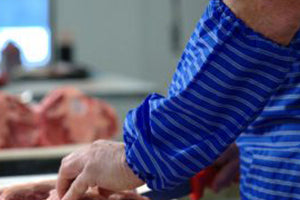
An apron that pulls at the neck all shift is more than annoying, it distracts staff. A shirt that binds across the shoulders makes lifting trays or reaching equipment harder. An oversized jacket can snag, and a too-tight one can make heat stress worse.
Uniform comfort is not a luxury line item. It affects how staff move, how long they can stay sharp, and whether they're willing to wear the uniform properly. That's especially important in venues with long shifts and mixed indoor-outdoor work.
Branding should support the garment, not fight it
Logos work best when they're placed where they don't interfere with protection or laundering. Embroidery tends to suit more durable, polished applications. Print can work on simpler garments where flexibility matters. The choice should depend on the wash cycle and the fabric, not just the artwork.
A practical rollout starts with a fit trial on actual staff, not just a size chart. Front-of-house teams may prefer a slimmer shape. Back-of-house teams usually need room to bend, lift, and pivot. The smarter program gives both groups what they need without pretending the requirements are identical.
If staff won't wear it happily, they'll wear it badly. That's how a branding decision turns into a uniform compliance problem.
There's a climate factor too. Australian venues deal with hot summers, cool mornings, and big regional differences, so breathable options and seasonal weights matter. Uniform programs that ignore comfort usually end up with higher reissue rates and more complaints, which is a hidden cost procurement teams feel fast.
Your Practical Uniform Procurement Checklist
Good procurement starts with role clarity. A venue that knows exactly who is wearing what, where, and why makes cleaner decisions on fabric, fit, and stock. A venue that buys one generic program for everyone usually ends up replacing pieces early.
Ask the right questions before ordering
- Role mapping: Which staff need FOH presentation, and which staff need BOH protection?
- Material fit: Does the fabric suit heat, splash, abrasion, or customer-facing use?
- PPE integration: Are apron, glove, footwear, and hair-cover rules written into the policy?
- Laundry plan: Is the care process in-house or commercial, and is it validated for the garment type?
- Rotation stock: Is there enough stock for daily changes and peak periods?
For Australia, it also makes sense to plan for high staff turnover and climate variation by holding a 10 to 15% stock buffer and considering two fabric weights for hot summers and cold winters (Melb Uniforms). That buffer is not just about spare stock. It's about keeping onboarding smooth and preventing presentation gaps when a new hire starts or a uniform is damaged.
Check supplier answers, not just catalogues
Ask how the garments are built, how they wash, and how long the supplier expects them to last in service. Ask for clear laundering instructions. Ask whether the range can be scaled across FOH and BOH without losing visual consistency where it matters.
If you want a single-source starting point for mixed-use apron and protective garment ranges, PSC TRADING Co PTY LTD is one Australian supplier that manufactures and distributes aprons and food-processing workwear across hospitality and meat-processing settings. That kind of supplier is useful when you need practical gear rather than a purely fashion-led catalogue.

Make the final decision on function first
A uniform program is working when staff can move well, stay clean, stay safe, and present consistently across the shift. If any one of those breaks, the whole system gets more expensive. The strongest buying decision is usually the one that holds up on a wet floor, in a hot kitchen, and after the fiftieth wash.
If you're reviewing your current issue of aprons, shirts, and PPE, start with a role-by-role audit this week. Compare what front-of-house wears, what the kitchen wears, and what the wet areas need, then lock the laundry plan and stock buffer before you place the next order.
