




You're probably dealing with one of two jobs today. Either you've got a sausage run coming up and you need the line to move without babysitting every stick, or you're trying to work out why yesterday's batch looked good in the filler and ordinary on the cook. That's usually where the casing argument starts.
Natural casings still have their place. They also bring the usual baggage. Variable diameter, soak time, odd weak spots, and the occasional knock-off batch that fights you from the first horn to the last tray. Collagen casings came into wide use because processors got tired of that unpredictability and wanted tighter control over speed, size, and finished appearance. That shift didn't happen overnight. In 1988, Australia imported 914,296 units of sausage casings with a combined value of AU$8,341,000, which gives you a solid historical benchmark for how significant casing trade already was before collagen became a standard processing choice in many plants (Australian Department of Agriculture import risk analysis).
For Australian butchers and processors, the key discussion isn't just whether collagen works. It does, if you match the casing to the product and run it properly. The bigger issue is understanding the practical trade-offs, plus the import and compliance details that a lot of overseas guides skip completely.
Table of Contents
- Why Pro Butchers Are Choosing Collagen Casings
- Understanding Collagen Casings From Hide to Hank
- The Ultimate Casings Comparison for Processors
- Selecting the Right Collagen Casing for the Job
- Mastering Collagen Casing Performance in Your Shop
- Storage and Compliance for Australian Butchers
- Sourcing Collagen Casings for Your Business
- Frequently Asked Questions About Collagen Casings
Why Pro Butchers Are Choosing Collagen Casings
A familiar floor problem looks like this. The meat block is ready, the filler is set, and the crew is waiting on casings that still need soaking, sorting, or trimming. You lose rhythm before the first tray is packed. Then halfway through the run, links start coming off uneven because the casing itself isn't consistent from one length to the next.
That's where collagen earns its keep. In a retail butcher shop, that means straighter breakfast sausages in the display and fewer arguments at the stuffer. In a small processing room, it means the operator can spend more attention on fill pressure and product quality instead of constantly correcting for casing quirks.
The daily reason people switch
Most pros don't switch because of theory. They switch because they want a casing that behaves the same way on Monday as it does on Friday. If you're making a standard beef sausage, a skinless line, or a fresh grill sausage with tight specs, consistency matters more than romance.
A few practical examples:
- Retail counter work: You want sausages that sit neatly in the tray and cook evenly for the customer.
- Wholesale runs: You need link size and shape to stay steady across the batch so packed weight is easier to control.
- Short-staffed production: You can't afford a product that needs extra handling before the first fill.
Practical rule: If the product has to be repeatable, collagen usually makes the job easier.
What collagen fixes and what it doesn't
Collagen casings solve a lot of the variation that comes with natural product. They don't solve poor meat mix, bad temperature control, or an operator who overfills every horn on the bench. If the emulsion is tacky in the wrong way, or if you're forcing too much pressure through a small tube, collagen will still let you know.
What works is simple. Match the casing to the product, keep the fill controlled, and use collagen where uniformity matters more than old-school character. What doesn't work is treating every collagen casing like a one-size-fits-all sleeve. Fresh sausage, smoked sausage, and salami all ask different things from the casing.
Understanding Collagen Casings From Hide to Hank
You can see the difference the first time a new staff member loads a collagen stick after working with natural runners. The horn loads faster, the diameter stays truer, and the operator spends less time fighting the casing. In a busy Australian shop or smallgoods room, that matters because labour, yield, and line pace all get tighter every year.
Collagen casings are made from bovine hide, using the collagen-rich corium layer to produce a uniform, food-grade tube. The practical point is simple. This is still an animal-derived product, but it has been processed to deliver tighter control over thickness, strength, and calibre than natural casing usually can.

What the material is and why it behaves differently
A butcher does not need a lab lecture. You need to know why collagen runs the way it runs on the bench or the linker.
Because the hide is cleaned, refined, formed, and dried into standardised tubes, the finished casing behaves more like a controlled processing input than a raw by-product. That gives you more repeatable stuffing pressure, more even link formation, and fewer surprises across a production batch. Standardisation is the whole point. It is the same reason butcher's paper comes off a roll to spec instead of being torn off whatever tree was closest.
Natural casings still have their place, especially where the old-school eating quality matters most. If you want a refresher on where they fit, this guide to natural sausage casings for butchers and processors covers that side of the decision.
What changes from hide to finished hank
By the time collagen reaches your shop, it has gone through enough processing to remove a lot of the variation that comes with natural product. That is why calibre is more consistent from stick to stick and why crews can set up a line with fewer casing-related adjustments.
In day-to-day production, that usually means:
- Cleaner diameter control: Better match on the horn and steadier fill during long runs.
- Less grading and sorting: Fewer lengths rejected for being too uneven or awkward to load.
- More uniform finished product: Links sit straighter in the tray, cryovac pack, or carton.
- Simpler staff training: New operators can focus on fill rate, twist count, and handling instead of casing defects.
That said, collagen is not a magic sleeve. It can split if you overpressure it, dry it out, or mismatch the calibre to the meat block and horn. Edible collagen for fresh sausage behaves differently from heavier smoked or non-edible collagen used on salami and processed lines. Australian processors also need to stay conscious of import documentation and food-contact compliance, because a casing that runs well is still no good if the paperwork does not stack up for local use.
Collagen gives you control. It does not forgive sloppy setup.
That is the key shift from hide to hank. You are buying consistency that has been manufactured into the casing before it reaches the bench. For many butchers and processors, especially those balancing retail output with wholesale volume, that trade-off is worth it.
The Ultimate Casings Comparison for Processors
Every casing type has a lane. The trouble starts when people use one outside its lane and then blame the product. If you're choosing between collagen, natural, and cellulose, the right question isn't which one is “better”. It's which one causes the least grief for the product you're making.

Where each casing type earns its keep
Natural casings are chosen for traditional bite and visual character. They suit products where that old-school snap matters and where a bit of natural variation isn't a problem. They're less forgiving if your crew is rushed or your sizing has to stay tight.
Collagen casings are the workhorse for repeatability. They suit fresh sausages, many smoked lines, and a lot of routine shop production where diameter consistency, line speed, and presentation matter. They're especially handy when you want less prep and more flow.
Cellulose casings are a processing tool more than a final eating casing. They're common when you want a uniform shape and plan to remove the casing. That makes sense for skinless style products and some high-throughput systems.
If you still use natural for some premium lines, that's fine. It's worth keeping a separate buying lens for them. A practical overview of natural sausage casings and their traditional use cases helps clarify where they still make sense and where they add extra handling.
Casing Type Comparison
| Attribute | Collagen Casings | Natural Casings | Cellulose Casings (Non-Edible) |
|---|---|---|---|
| Edibility | Usually edible, depending on product type | Edible | Non-edible |
| Consistency | High. Strong control over diameter and appearance | Variable by nature | High |
| Stuffing behaviour | Predictable when matched to the right horn and fill pressure | Can vary from length to length | Very uniform |
| Prep on the bench | Generally simpler | Usually more handling | Simple in line use |
| Traditional bite | Good, but product-dependent | Strong traditional profile | Not relevant after peeling |
| Best use | Fresh sausages, many smoked products, standardised runs | Traditional butcher products, premium heritage-style lines | Skinless and peel-after processing lines |
The real trade-offs in a busy shop
A butcher usually notices three things first.
- Time at setup: Collagen is easier to bring into the run because it's designed for consistency and straightforward handling.
- Waste and frustration: Natural can deliver excellent eating quality, but one weak section can knock off your rhythm fast.
- Finished look: If your customer buys with their eyes, uniform links help.
What doesn't work is pretending one casing solves every product. If you're making a heritage sausage where irregularity is part of the appeal, natural still has a role. If you're supplying trays to trade customers who expect near-identical links every time, collagen usually wins on practicality.
Selecting the Right Collagen Casing for the Job
The wrong casing choice usually shows up halfway through a run. The fill looks fine at first, then links start sitting awkwardly, the diameter is off for the tray, or the product comes out of the cook with the wrong bite. By then, you have already burned labour, mix, and time.

In Australian shops and processing rooms, the smart buy starts with the finished product, not the last SKU you ordered. Diameter matters, but so do shrink during cook, smoke performance, pack presentation, and whether the line is going to retail, foodservice, or a drying room. Imported collagen casings can look similar on paper and still behave differently once you put them on the horn.
Match diameter to the sausage style
Diameter sets the eating profile and the saleable look.
- 13mm range: Breakfast links and small format sausages where neat portioning and fast cooking matter.
- 19mm to 32mm range: The day-to-day working range for many fresh sausages in butcher shops. Good for retail grillers, continental styles, and standard production runs.
- Larger diameters: Better for salami and larger cured lines where slice profile, shape retention, and longer processing matter more than quick service on a hotplate.
Experience saves waste. A breakfast sausage that is too fat looks clumsy and cooks slower than the customer expects. An Italian-style sausage pushed into too fine a casing can eat tough and look mean in the tray. The product has to fit the market.
Pick the casing by process
Ask one question before ordering. What happens after stuffing?
A fresh sausage needs a casing that runs cleanly and gives the right bite after cook. A smoked line needs collagen built to handle that cycle without turning into trouble in the smokehouse. A fermented or dried product needs a casing suited to longer hanging, moisture loss, and handling over time.
In practice, plenty of casing problems are really process-matching problems. The casing gets blamed, but the spec was wrong from the start.
The horn, the meat mix, and the final cook all need to agree. If one of those three is out, the casing gets blamed for someone else's mistake.
Buy to suit your equipment and your supply chain
Small butcher shops, central kitchens, and higher-volume processors do not all need the same casing format. Shirred sticks can make sense on powered equipment where speed and repeatability matter. Shorter bench-friendly formats can suit smaller runs or frequent changeovers. If your setup still needs work, a practical sausage filler machine guide for butcher shops and processors will help you match the filler, horn, and casing to the job.
For Australian operators, there is another layer. Import lead times, batch consistency, and compliance paperwork matter just as much as the spec sheet. If a supplier cannot clearly tell you the product origin, intended application, and handling requirements, that is a risk. A cheap knock-off casing is never cheap once it starts causing split runs or inconsistent finished product.
A lot of ordering mistakes come from focusing on diameter alone. The better approach is simple. Match the casing to the sausage style, the process, the equipment, and the market you are supplying. That is how you get cleaner runs, fewer surprises, and a product that lands right with the customer.
Mastering Collagen Casing Performance in Your Shop
Good collagen casings are easy to run. Bad handling still ruins them. Most trouble comes from overstuffing, poor mix temperature, rough loading, or trying to force one casing type across too many products.

Stuffing without blowouts
Start with the basics. Use a horn that suits the casing. Keep the meat mix cold and properly developed. Feed the casing onto the horn without scraping or nicking it. Then fill firmly, not aggressively.
A simple bench routine works well:
- Check the horn first. Burrs or rough spots will cut casings before the run even starts.
- Load with a light hand. Don't stretch the casing hard while mounting it.
- Watch fill pressure. If the casing is going glass-tight on the horn, back off.
- Link with consistency. Uneven link tension creates weak spots later on the cook.
- Rest if needed. Some products settle better before cooking when the links are allowed to equalise.
For operators using piston or powered equipment, the filler setup matters as much as the casing. A decent sausage filler machine guide for butcher shops and processors is worth reviewing if your crew keeps fighting feed pressure or inconsistent fill.
Common problems on the bench and on the cook
The usual complaints are familiar.
- Splitting during stuffing: Most often overfill, wrong horn size, or rough handling.
- Tough bite: The casing may be too heavy for the product, or the cook process is too harsh.
- Wrinkling after cook: Fill was too loose, or the product lost too much moisture in the cook.
- Uneven links: Operator tension is inconsistent, or the mix isn't flowing evenly.
Bench note: If collagen keeps failing in the same spot, stop blaming the box and inspect the horn.
For fermented sausage, there's another practical upside worth knowing. Research published in a scientific study on fermented sausages with collagen casings found that collagen casings improved texture characteristics and reduced biogenic amine content by decreasing pH values, without significantly altering microbial growth or volatile flavour formation. On the floor, that translates to a firmer, more consistent bite in salami-style product while supporting product safety.
After you've got the fill right, watch a proper process in motion:
A final practical point. Collagen rewards controlled heat. If the grill or cook chamber is too fierce too early, you'll blame the casing for a heat management problem. Let the sausage set before pushing colour hard.
Storage and Compliance for Australian Butchers
Storage sounds boring until a whole carton goes dry, brittle, or non-compliant. Then it becomes very interesting, very quickly. Good handling starts before the casing reaches the horn.
What matters in storage
Keep cartons clean, sealed, and protected from rough environmental swings. Don't leave casing stock sitting where it cops heat, direct light, or repeated open-close abuse from staff grabbing a few sticks at a time. The point isn't ceremony. It's maintaining condition so the casing performs the way it was designed to perform.
In practical shop terms:
- Keep stock organised: Old cartons at the front, new cartons behind.
- Protect opened packs: Once a pack is opened, reseal it properly and keep notes on what was taken.
- Separate from strong odours: Casings don't belong next to anything that can taint food-contact materials.
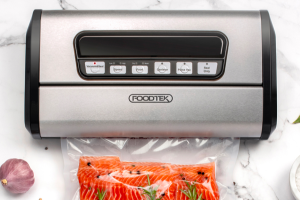
- Think past stuffing day: Once product is packed, your storage setup matters again. A solid vacuum machine bags guide for freshness and storage helps tie casing performance to final shelf presentation.
The Australian compliance details people miss
Generic overseas advice is insufficient. In Australia, the sourcing and treatment of edible collagen casings carries compliance implications that buyers can't ignore.
One key food safety point is additive use. Australian food safety standards permit sorbic acid in edible collagen casings to inhibit mould, with levels expected to remain below 100 mg/kg in the casing and below 1 mg/kg in the final sausage product, which makes it a technologically justified alternative to sulphur dioxide for products such as fermented uncooked meats (FSANZ assessment on sorbic acid in edible casings).
That matters in practice because fermented product can be fussy. If you're making salami or another uncooked processed meat, you need the casing treatment to support the product without introducing avoidable flavour or inspection headaches.
There's also the import side. Australia has strict biosecurity controls around casing entry, and edible collagen casings are part of that picture. Buyers often assume that if a casing is sold somewhere offshore, it can be landed here without trouble. That assumption can get a shipment stopped. For wholesalers and larger processors, country of origin, permit status, and supplier documentation aren't admin extras. They're part of the job.
If the paperwork is shaky, the casing isn't cheap. It's expensive stock waiting to be rejected.
Sourcing Collagen Casings for Your Business
Buying collagen casings well is less about chasing a cheap carton and more about reducing production surprises. If your operation depends on steady output, neat presentation, and fewer interruptions at the filler, the supplier decision matters as much as the product spec.
The broader market supports that view. The global collagen casings market is projected to reach USD 4.03 billion by 2033, and the Australian market relies heavily on imported casings from major international players such as Nippi, Viscofan, and Devro, which is why local distribution and import reliability matter so much here (global collagen casings market outlook).
What to ask a supplier before you order
Ask direct questions.
- What origin documentation is available? If the supplier can't speak clearly about source and compliance, that's a warning sign.
- Which product types are covered? Fresh, smoked, and larger-diameter salami work aren't the same thing.
- How consistent is stock availability? A casing you can't reorder reliably isn't a production solution.
- What support do they give on sizing and use? A decent supplier should help you avoid obvious mismatches.
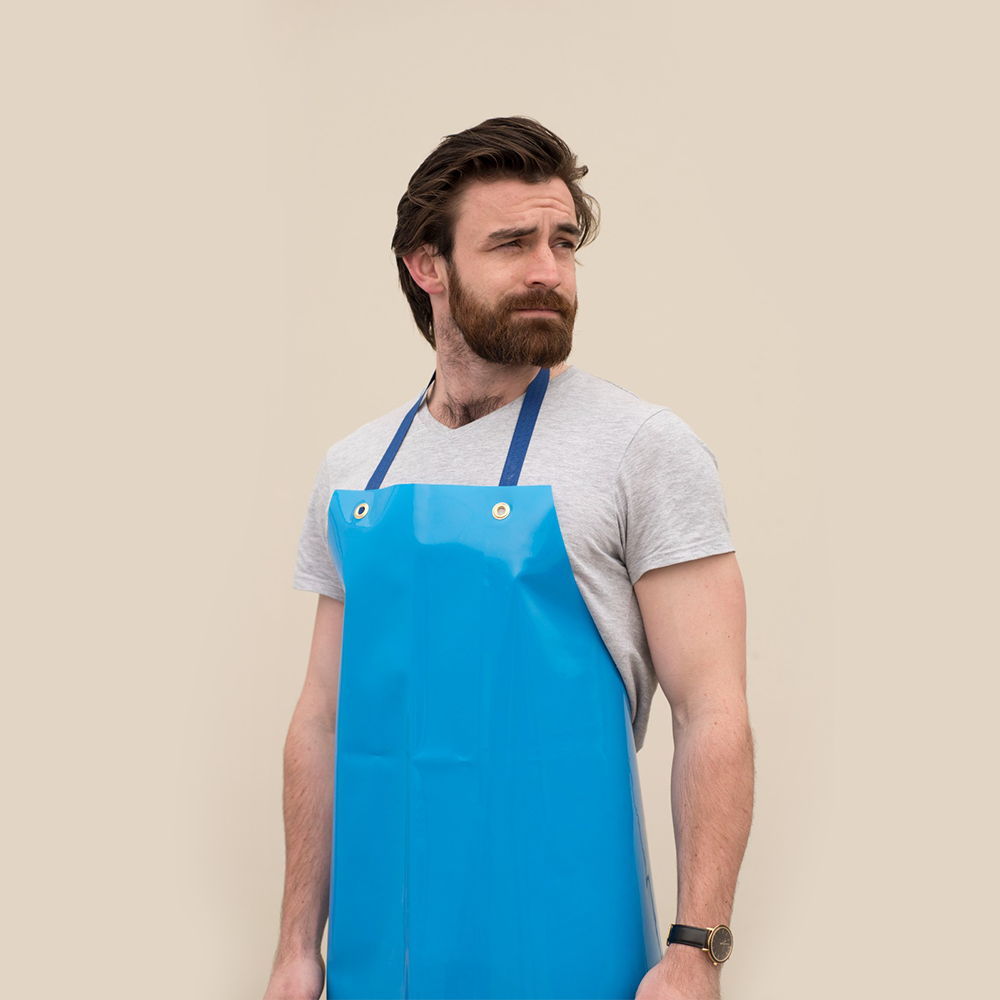
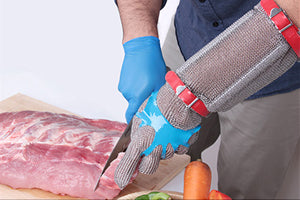
For Australian buyers, it makes sense to work with wholesalers that already serve butcher shops, processors, and abattoirs and understand the wider production setup. PSC TRADING Co PTY LTD is one example of a local supplier that carries meat processing equipment and sausage casing options as part of a broader butcher and food-processing range, which can simplify procurement when you're buying casings alongside fillers, PPE, and packaging.
The smartest buyers don't just ask what the casing costs. They ask what trouble it prevents.
Frequently Asked Questions About Collagen Casings
Are collagen casings natural or artificial
They're made from natural collagen, commonly sourced from bovine hide, but they're processed into a standardised casing. So they're natural in origin and engineered in form.
Do you need to soak collagen casings
Not always. Many fresh collagen casings are designed to be stuffed dry. That's one reason they suit busy production work so well. Check the specific product instructions because not every casing is built for the same process.
Are collagen casings edible
Many are edible, especially those used for fresh sausage. Some other casing types used in processing are not edible and are removed later, so always match the casing type to the final product.
Can you use collagen casings for salami
Yes, provided you choose a collagen casing intended for fermented or salami-style production. That's not the same product as a fresh thin sausage casing, so don't treat them as interchangeable.
Why do collagen casings split
The usual causes are overstuffing, wrong horn size, rough handling, poor temperature control in the meat mix, or cooking too hard too early. The casing often gets blamed first, but setup and process are usually where the actual problem lies.
Are collagen casings suitable for vegetarian or vegan products
No. They're generally derived from animal collagen, so they aren't suitable for vegetarian or vegan claims.
Can collagen-cased sausages be frozen
They can be used in products that are frozen, but product formulation, pack style, and handling still matter. Freeze the finished product properly, avoid rough handling, and test your own process before rolling it out across a full run.
If you're choosing collagen casings for an Australian butcher shop or processing line, the winning approach is simple. Buy for the actual product, run them with controlled fill and heat, and make sure your supplier can back up origin and compliance. That's what keeps the line moving and the sausage looking like it should.
