


You're standing at the end of service, one hand on a sanitiser spray bottle, the other on a stack of soiled aprons, trying to decide which ones can be saved for tomorrow and which ones need to be retired. In a butcher shop, that's blood and fat on a wash-down apron. In a café kitchen, it's the cook who's just moved from raw chicken to plating and needs a clean barrier before the next task. Commercial kitchen aprons sit in that gap between contamination control and daily wear, and the buying decision gets expensive fast if the wrong material, fastening, or care routine is chosen.
Table of Contents
- Why the Apron on Your Hook Matters
- Matching Apron Materials to Real Kitchen Hazards
- Formats, Coverage, and Fastening Systems Explained
- Hygiene, Cleaning, and FSANZ-Aligned Protocols
- Use Cases by Site, From Butcher Shop to Bistro
- Care, Maintenance, and End-of-Life Signals
- Accessories, Branding, and Customisation Options
- A Practical Procurement Checklist for Buyers
Why the Apron on Your Hook Matters
A cook finishes breakdown, wipes a bench, and reaches for a clean tray without changing out of a soaked apron. That small miss creates trouble later, because the apron is part of the contamination-control system before it is part of the uniform. In a butcher shop, the same problem shows up when a worker moves between trimming, packing, and wash-down without swapping a wet or soiled barrier.
Barrier first, uniform second
The apron is doing a job before it is doing a branding job. It protects clothing from splash, soak-through, grease, and abrasion, and in many workplaces it helps stop contamination from moving from one task to the next. That is why apron choice matters across butcher shops, abattoirs, hospitality venues, food manufacturers, and procurement teams buying at scale.
Market research reflects that apron buying is not a side category. One industry report estimated the global cooking aprons market at USD 195.27 million in 2025 and USD 210.72 million in 2026, with a projected 5.31% CAGR to USD 280.65 million by 2032 (360iResearch cooking aprons market). A broader apron study valued the global market at USD 1.8 billion in 2025 and projected USD 2.8 billion by 2034, while putting commercial applications at 52.7% of demand and food and beverage at 39.2% of end use (MarketIntelo apron market).
Practical rule: If an apron gets treated like a disposable uniform item, it gets replaced too late and worn too long.
Who needs to care
Procurement teams often buy too broadly, then issue the same apron to every role. That does not work on real floors. A prep cook, a line cook, a disher, a butcher, and a front-of-house runner need different coverage, different cleaning tolerance, and different fastening behaviour.
Reusable models dominate commercial use, with reusable aprons holding the largest share at 42.3% in the cited market research. That fits what kitchens and processing sites already know, durable aprons are bought to be washed, inspected, and put back into service. PSC TRADING Co PTY LTD sits in that practical space with aprons for butcher, industrial, and hospitality environments, including TPU, PVC, waxed canvas, leather, and durable nylon options. For a closer look at the trade-off between barrier performance and cleanability, see the TPU vs PVC food processing apron guide.
Matching Apron Materials to Real Kitchen Hazards
A buyer who starts with style usually ends up with the wrong apron. Start with the hazard instead, then match the material to the shift condition, wet work, heat, knife traffic, or guest-facing service. Material choice is where apron performance is won or lost, because the apron has to control contamination, hold up to wash-downs, and still be wearable at the end of a long shift.
Material fit by task
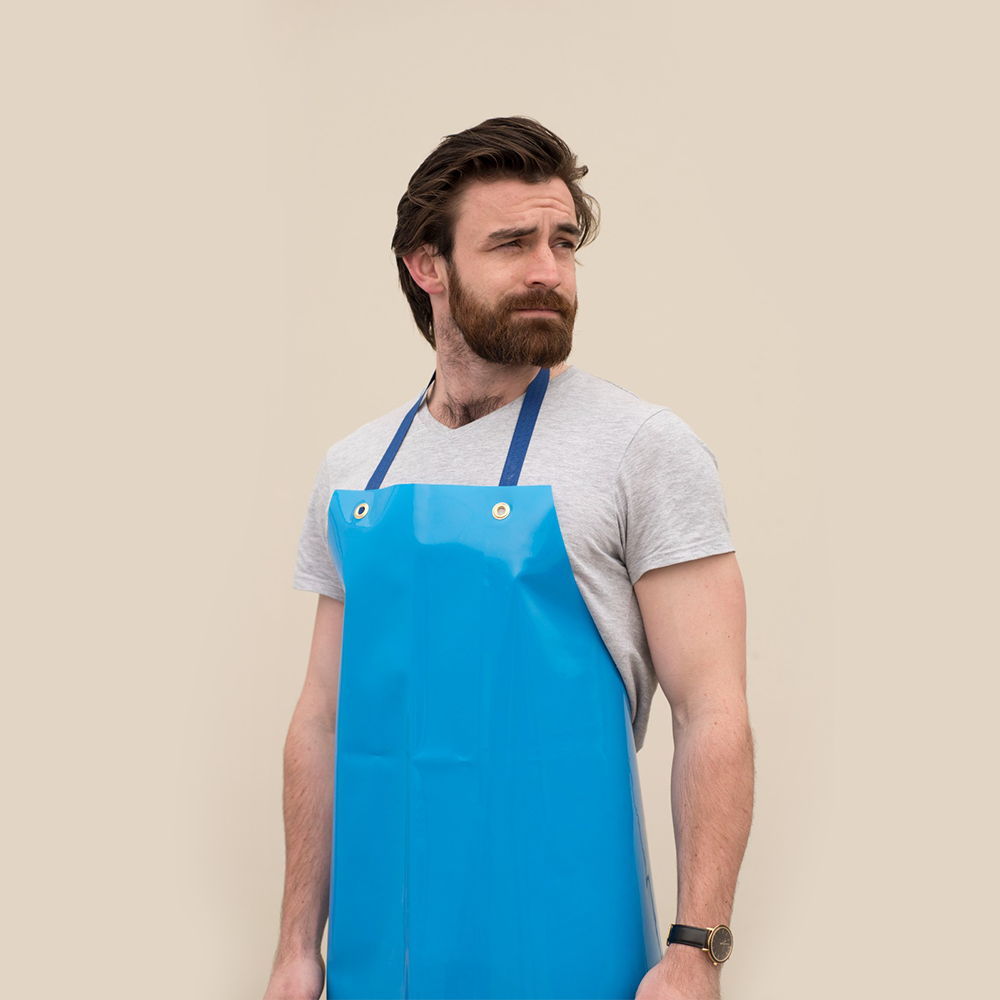
TPU makes sense where flexibility and food-grade wipe-down performance matter, especially in cold rooms and wet processing spaces. PVC is the blunt instrument of the apron world, useful when splash resistance and chemical resistance matter more than softness. For buyers comparing those two materials in food-processing settings, the TPU vs PVC food processing apron guide is the clearest place to weigh barrier performance against cleanability.
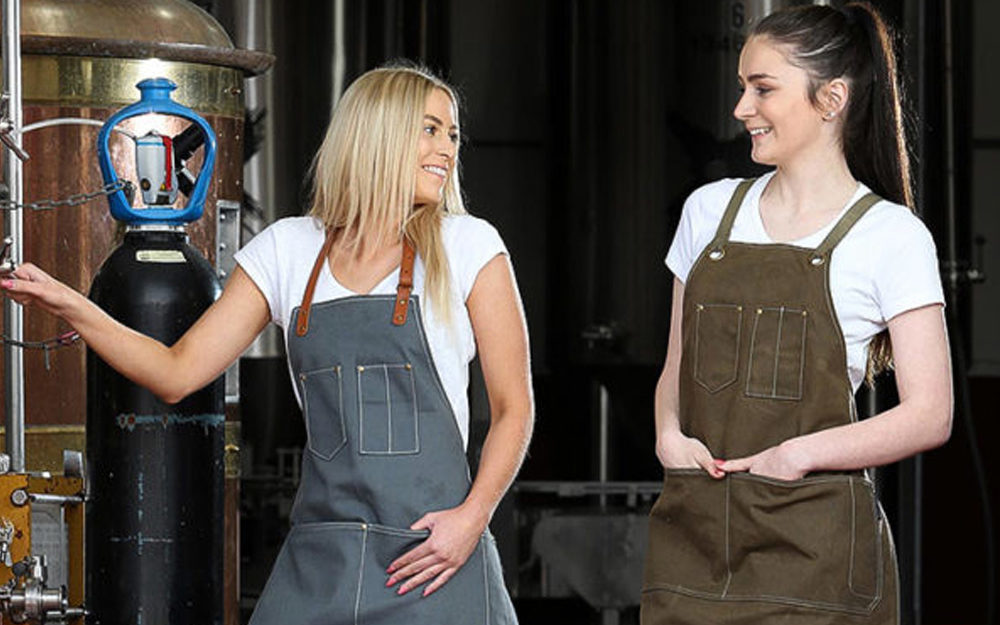
Waxed canvas sits better in front-of-house and lighter back-of-house work because it looks good, wears hard, and cleans up reasonably well without feeling like lab PPE. It suits sites that want a presentable apron without moving into full polymer gear. Leather belongs near heat and abrasion, such as grill stations and rough handling areas, where the apron has to shrug off sparks, friction, and constant contact.
Nylon is the lighter option for service roles where comfort, low weight, and quick turnover matter more than heavy barrier performance. It is easier to live in during long service, but it is not the right answer for every station.
The fabric guidance for reusable chef aprons sits around 200 to 360 GSM, with 200 to 240 GSM suitable for light service, 250 to 300 GSM as a balanced range, and 280 to 360 GSM for heavier kitchen work (Linwa Apron sourcing guide). For polymer builds, disposable apron guidance points to 1.0 to 1.2 mil for general food prep and 1.5 mil or 1.8 to 2.0 mil for heavier meat-processing or dishroom work, while chemical-resistant PVC or vinyl sheets can run from 8 mil to 45 mil depending on the hazard profile (XinfangPack apron thickness guide).
| Material | Best Environment | Key Strength | Watch-Out |
|---|---|---|---|
| TPU | Cold rooms, food handling, wash-down areas | Flexible, food-oriented wipe-down performance | Can be the wrong fit if the job is mostly heat and abrasion |
| PVC | Wet work, chemical-splash zones, meat processing | Strong barrier against soak-through and splashes | Stiffer feel, less comfort on long shifts |
| Waxed canvas | Front-of-house, light prep, mixed service | Durable and presentable | Needs correct care or the finish wears unevenly |
| Leather | Grill stations, hot surfaces, abrasive tasks | Heat and abrasion resistance | Heavier, less suitable for wet hygiene-heavy tasks |
| Nylon | Hospitality service, quick-turn uniform roles | Lightweight and easy to move in | Not the right answer for heavy splash or chemical exposure |
Where the trade-offs bite
Heavy fabrics above about 360 g/m² can run hot and slow drying, which matters in warm Australian kitchens and wash-down cycles (Pink Ant Store hospitality aprons guide). That is the trade-off many buyers miss. The apron that feels tough on a purchasing sample can turn into a complaint item once it is soaked, scrubbed, and worn through a full service.
Choose the lightest material that still survives the hazard. If the apron cannot handle the cleaning chemistry, splash load, or abrasion of the station, it is not premium, it is just expensive.
Formats, Coverage, and Fastening Systems Explained

The first procurement mistake is buying the right fabric in the wrong shape. Coverage, pocket placement, and strap geometry change how the apron behaves on the floor, and the fastening system decides whether staff keep it on properly or start loosening it halfway through a shift.
Match the format to the role
A full bib apron is the workhorse for chefs and prep staff because it gives the most frontal coverage and helps keep splashes off the torso. A waist apron suits servers and runners who need mobility and easy pocket access. Cross-back styles matter when long shifts make neck-tie designs tiring, because the load sits on the shoulders instead of hanging from the neck.
A smock gives more wraparound coverage for prep or processing tasks where side splash is a real issue. A half-apron suits fast guest-facing service where the goal is light coverage, not full-body protection. For a butcher station, the bib style usually wins because it covers more of the torso during trimming and packing. For a bistro pass, a waist or bistro style can be the better fit because staff need speed, pocket access, and a cleaner visual line.
For a broader view of how commercial kitchen aprons differ by body coverage and fastening method, the chart comparing various commercial kitchen apron styles, including their fastening systems and levels of body coverage is a useful reference point when you are comparing options across the same site.
Fastening systems decide usability
Classic apron hooks are fast when a team needs aprons on and off all day. Flat strap and buckle ties give a more secure fit, which matters when a worker is leaning, twisting, or working around sharp tools. Cord sets are simple and common, but they can become a nuisance if the ties are too long or poorly managed. Quick-release options help in roles where the apron may need to come off fast, especially around hot equipment or during emergency removal.
A front line cook in a busy kitchen might prefer a secure buckle or cross-back setup because it stays put during repeated movement. A front-of-house runner may value a simpler hook or tie because speed matters more than locked-in coverage. That difference sounds small until you watch a team keep adjusting the same apron through service.
Ergonomics matter more than most buyers admit
Cross-back geometry is one of the best ways to reduce neck strain on long shifts, while neck-tie aprons concentrate load in exactly the wrong place for repeated service. Australian kitchens run long, hot, and physical, so strap choice is not cosmetic. It is an ergonomic call that affects whether staff keep the apron on properly or start treating it like a nuisance.
PSC Trading's food safety focus through HACCP in Australia sits in the same practical space, because apron design only works when it supports hygiene control, wearability, and consistent use across a shift.
Choose the fastening that staff will keep using correctly, not the one that looks tidy on a spec sheet.
Hygiene, Cleaning, and FSANZ-Aligned Protocols
Australian food businesses do not need apron “styles” written into law to have apron obligations. The Australia New Zealand Food Standards Code still matters here, because Standard 3.2.2 says food handlers must take practicable measures to prevent unnecessary contact with ready-to-eat food and ensure clothing or equipment does not contaminate food, while 3.2.2A adds specific hygiene controls for businesses handling unpackaged food (FSANZ-aligned apron guidance). That turns an apron into an auditable hygiene control, a practical requirement, not a wardrobe choice.
What that means on the floor
A worker who handles raw poultry and then moves to sandwich assembly needs a clean apron before the ready-to-eat task starts. If the apron is wet, dirty, or contaminated, it comes off immediately. End-of-shift laundering does not fix a garment that has already crossed a raw-to-ready boundary during service.
Food-service dress guidance also says aprons should be changed between tasks after raw protein contact and before ready-to-eat handling, immediately when dirty or wet, and at the start of each shift at minimum (FoodDocs food-service dress code). In busy kitchens, that can mean multiple changes across a day, so apron supply has to match turnover, not just uniform counts.
Care chemistry matters as much as fabric
Wash-down validation is not only about having a waterproof apron. It is about whether the garment survives the cleaning process, dries fully, and returns to service without holding moisture or odour. TPU and PVC need wipe-down or sanitiser routines suited to the material, while canvas and nylon need laundering that clears contamination without wrecking the shape or finish. Leather needs conditioning, or it dries out and loses service life.
Audit-friendly habit: Keep clean aprons separate from dirty stock, and store dry aprons in a closed cabinet or locker so they are not re-contaminated before the next shift.
PSC TRADING Co PTY LTD's apron range sits alongside hygiene-related products, which matters because apron care sits inside the wider cleaning routine on site. The same logic appears in HACCP-based workflow control, and PSC Trading's HACCP-aligned food safety approach describes how garments, tools, and cleaning routines need to work together rather than sit in separate silos.
Use Cases by Site, From Butcher Shop to Bistro
A site-specific apron spec always beats a one-size-fits-all order. The tasks are too different, and the consequences of choosing badly show up quickly in wash cycles, staff comfort, and how often stock has to be replaced.
Butcher shop and abattoir
In a butcher shop, the apron has to survive fluids, frequent rinsing, and constant handling. Heavy PVC or TPU bibs make sense here because they deal better with blood, fat, and wash-down than lightweight hospitality fabrics. In abattoir or meatpacking work, thicker polymer builds and reinforced ties are the safer bet, especially when zones are colour-coded and the apron has to stay readable, cleanable, and consistent across shifts.
The reason is simple. These are contamination-control garments in a wet environment, not decorative layers. If the apron soaks through or tears at a tie point, the staff member loses both protection and time.
Seafood and wet-prep kitchens
Seafood prep has the same basic problem as meat work, but with a different smell, different rinsing rhythm, and constant water exposure. Waterproof food-grade materials are the practical answer because they resist soak-through and can be cleaned fast between tasks. That matters when staff are moving from scaling, filleting, or packing to bench cleaning with little downtime.
Hospitality venues and bistros
Front-of-house aprons have a different job. A café or bistro apron needs to look deliberate, stay light, and keep staff moving through table turns. Waxed canvas, printed hospitality aprons, and lighter fastening systems usually make more sense here because presentation matters and the apron is visible to guests. The best serving apron is the one staff can wear all shift without fidgeting.
Australian buyers also need to think in supply-chain terms. PSC TRADING Co PTY LTD is one option in the local market for Australian-made aprons in TPU, PVC, waxed canvas, leather, and durable nylon, which matters when lead times and minimum order quantities are part of the decision.
Care, Maintenance, and End-of-Life Signals
An apron should be treated as a serviceable asset. If the care routine is sloppy, the service life collapses, and the buying team ends up replacing stock too early or, worse, keeping unsafe pieces in rotation.
Cleaning by material
Canvas and nylon belong in hot-cycle laundering if the fabric label allows it, because both need a proper wash to clear soil and kitchen residue. TPU and PVC are usually better served with wipe-down and sanitiser routines that protect the surface and avoid unnecessary wear. Leather needs conditioning to stay flexible and stop cracking around the folds and edges.
Drying matters more than people think. Wet aprons that get stacked in a heap don't just smell bad, they create an environment that slows turnaround and weakens hygiene discipline. A proper dry, then a clean storage area, keeps the apron usable and easier to audit.
Inspection cues that mean retire it
Look at the tie points first, because that's where failure starts. Cracking at the seams, micro-perforations in polymer sheets, staining that survives laundering, and waxed canvas that no longer repels water are all signs the apron is past useful service. Once the barrier is compromised, the garment stops doing the main job.
A practical replacement cycle depends on use intensity, but the buying team should document expected service life by material instead of guessing. Heavy wash-down sites will chew through aprons faster than a casual service operation, and that's normal. The point is to forecast it.
If the apron no longer dries properly, cleans properly, or seals properly, it's already costing more than it should.
Accessories, Branding, and Customisation Options
Most teams don't buy aprons alone. They buy a workstation kit, and the accessories decide whether the apron program runs smoothly or becomes another pile of loose gear.
Useful add-ons versus vanity extras
Classic apron hooks and flat hooks make sense when aprons are issued and stored by station. Flat strap and buckle ties help staff secure the fit without excess dangling material. Cord-and-hook sets are useful when workers need to swap configurations by role or shift.
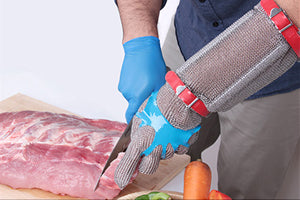
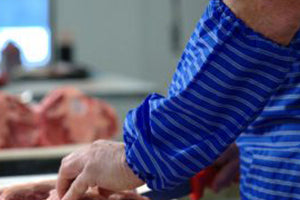
Knife pouches and butcher belts are operational accessories, not fashion extras, because they keep blades organised and close at hand. Sleeve protectors fill the gap when the apron doesn't provide enough arm coverage for wet or splash-prone work. Those pieces matter most in butcher and processing environments, where tool carry and arm protection are part of the daily rhythm.
Branding that still works in a hot kitchen
Hospitality teams often want a visible logo, a consistent colour, or a cleaner front-of-house look. Embroidery usually lasts well and looks professional. Screen-printed designs and logo patches are more flexible when different departments need different marks or when branding changes often. Contrast stitching and custom colours help with department coding and visual organisation.
The supplier choice matters here too. PSC TRADING Co PTY LTD's apron range includes printed designs and style variations in hospitality and work aprons, which makes the branding decision part of the same procurement order instead of a separate project.
For more on personalised hospitality presentation, see PSC Trading's apron customisation guidance.
A Practical Procurement Checklist for Buyers
A solid apron order starts with task definition, not catalogue browsing. List the duties first, then match material, format, fastening, and care plan to the station. A line cook, butcher, disher, and front-of-house runner don't need the same spec, and they shouldn't get it.

Run these checks before you issue the PO
- Define the task: Cooking, serving, wash-down, raw protein handling, or guest-facing use.
- Select the material: Pick TPU, PVC, waxed canvas, leather, or nylon based on the hazard, not the look.
- Choose coverage: Bib, waist, cross-back, smock, or half-apron based on the role.
- Set the fastening: Hook, tie, buckle, or quick-release, depending on speed and security needs.
- Lock in the care plan: Spell out wash, dry, wipe-down, and storage routines in writing.
- Decide on accessories: Knife pouches, belts, sleeve protectors, and hooks should be ordered with the apron, not later.
- Confirm reorder triggers: Tie failure, coating wear, or stain retention should all trigger replacement.
If you're comparing suppliers, ask what materials they stock locally, what their minimum order quantity looks like, and whether they can support Australian-manufactured apron supply for repeat ordering. Then test one station before you buy for the whole site. The best apron program is the one staff can wear, clean, inspect, and replace without slowing the shift.
If your kitchen, butcher shop, or processing site is reviewing apron stock this quarter, shortlist your actual tasks, match them to material and fastening, and ask each supplier for a sample run before you place a bulk order. That one step tells you more than any glossy catalogue ever will.
