


You've got a new box of Cut 5 gloves on the shelf, the head butcher wants them issued before the lunch rush, and nobody's asking the most important question, what protection did you buy? A label that sounds simple can hide a lot of detail, and in a meat room or commercial kitchen that detail decides whether a glove slows work down, gets taken off early, or earns its place on the line.
The practical job is to turn “Cut 5” from a vague catalogue phrase into a purchasing decision. In Australia, that means reading the shorthand against the established standards, checking the actual cut force, and matching the glove to the task, whether that task is boning a brisket, cleaning up around a bandsaw table, or shucking oysters in a busy kitchen.
Table of Contents
- What Shop Managers Actually Mean When They Say Cut 5
- Reading the Numbers Behind Cut 5
- HPPE, Steel, Composite and Kevlar Compared
- Sizing, Fit and Real Dexterity Trade-offs
- Hygiene, Wash-Down Care and Knowing When to Retire
- Matching the Right Cut 5 to the Right Job
- Procurement Checklist and Quick Answers
What Shop Managers Actually Mean When They Say Cut 5
A new casual starts in a butcher shop, gets handed a glove marked Cut 5, and asks if that means “safe for knives”. The wrong answer is to nod and move on. The right answer is that Cut 5 is shorthand, not a full spec, and it only tells you something useful when you know the standard behind it.

In Australian procurement, Cut 5 usually sits in a medium-to-heavy protection band. Supplier guidance commonly maps it to the modern cut-resistance scales used in safety buying, and the old EN 388 Level 5 wording still shows up in product lists as market shorthand for high cut protection, even though the standard language has moved on sliceproducts.com. That's why two gloves both called “Cut 5” can still feel very different in the hand.
What the label buys you
A Cut 5 glove is meant for sharp-edge contact, not for every hazard in the room. In meat processing, warehousing and sharp metal handling, it's a practical middle ground when workers need protection from blades and edges, but still have to keep moving quickly. In a kitchen, that can mean prep stations, not boning-room abuse.
Practical rule: if the glove name is all you're given, the job isn't finished. Ask for the standard, the test method, and the coating.
That's the value of this label. It gives managers, buyers and supervisors a starting point, then forces a better question, is this glove enough for the task, or just enough for the catalogue description? A good Cut 5 purchase protects staff without turning knife work into clumsy work.
Reading the Numbers Behind Cut 5
A glove marked Cut 5 can mean very different things on the purchasing desk than it does on the workbench. In Australian buying conversations, you will usually see EN 388:2016 and ANSI/ISEA 105, and both can sit in the same protection band while speaking different technical languages.
Under ANSI/ISEA 105, A5 sits at 2,200 to 2,999 grams of cutting load, which is the range many people mean when they say Level 5 in shorthand MCR Safety. That matters because it gives a buyer an actual cut-force figure to compare, instead of relying on a loose label. The core question is not “Is it Cut 5?”, it is “What gram value did it test at?”
EN 388 and the letters behind the code
Australian meat-processing and abattoir gear is commonly assessed against EN 388:2016. A marking like 4X44C or 4X43F tells you more than the cut number, because it separates abrasion, coup cut, tear, puncture, and, if tested, TDM cut resistance SafetyQuip product sheet. The practical takeaway is simple, cut resistance is one part of the glove's job, not the whole job.
The older EN 388 Level 5 wording still turns up in the market, but it is shorthand from the historical coupe-test ranking. Modern guidance in Australia often points buyers back to EN 388:2016 and the ISO 13997 cut letter, because that gives a clearer basis for comparing gloves for food and meat handling WorkSafeGear. The highest cut-resistance letter in that system is F, so a glove described only as “Level 5” may still leave you guessing about the actual test result.
A glove that says “Level 5” on the box can still be the wrong glove if the datasheet does not show the actual test method.
What to ask a supplier
- Ask for the code: Look for EN 388:2016 or ANSI/ISEA 105 on the datasheet, not just the marketing phrase.
- Ask for the gram load: If it is an ANSI-style glove, request the actual cut force in grams.
- Ask about the rest of the code: Abrasion and puncture matter in kitchens and meat rooms where blades are not the only hazard.
The label is only the starting point. A Cut 5 glove can be the right band for regular sharp-edge handling, but once the task turns wet, oily, cold or unusually abrasive, the full code matters more than the headline.
A procurement team buying for a boning room should read that number differently from a chef ordering for oyster prep. The right glove for a brisket trim is not always the right glove for a bandsaw line, and a glove that feels fine for shucking oysters may still be too light for repeated knife contact. For buyers who also need to compare chain-metal options, a separate guide to chain gloves and metal mesh protection is worth reading before you sign off on the order.

HPPE, Steel, Composite and Kevlar Compared
The fibre inside the glove does a lot of the work, and that is where procurement decisions should start. Two Cut 5 gloves can both carry the same headline rating and still behave very differently on a trimming knife, a bandsaw line, or an oyster bench. One will feel light and easy to trust. The other will feel stiff, heavy, or hard to keep on through a shift.
| Construction | Typical Cut Score | Wet Grip | Dexterity | Food-Contact Suitability |
|---|---|---|---|---|
| HPPE | Often used in Cut 5 style gloves | Good when paired with a suitable coating | Strong for boning and fine handling | Common in food work when the design suits wash-down and hygiene needs |
| Steel-core yarns | High cut protection | Can be less forgiving when wet | Usually heavier and less delicate | Needs careful checking for task fit and site policy |
| Composite or HPPE/glass-fibre blends | A common Australian Cut 5 build | Often chosen for wet work | Balanced, but still task-dependent | A practical choice for many meat-room applications |
| Kevlar | Used where heat and abrasion matter | Varies by coating | Useful, but not always the most sensitive | Better when heat exposure is part of the job |
Where each construction earns its keep
HPPE is usually the first material to look at for boning work because it stays light enough to preserve feel at the handle while still giving a serious cut barrier. On a busy bench, that matters. Less bulk means less hand fatigue, and less fatigue means staff are less likely to pull the glove off when they need fine control.
Steel-core yarns bring a firmer, harder feel. They can suit severe edge work, but they are rarely the easiest choice for a butcher's hand because weight and stiffness get in the way of clean, controlled knife work. In food environments, they also deserve close checking against site hygiene rules and the actual task, because a glove has to work for the job in front of you, not just the cut target printed on the pack.
Composite and HPPE/glass-fibre blends sit in the middle, which is why they show up so often in Australian meat-room stock. A typical Australian Cut 5 product sheet describes a HPPE/glass-fibre liner with a nitrile coating, a combination that makes practical sense because the fibres lift cut resistance and the nitrile helps with wet grip and barrier performance without the bulk of leather or chainmail. If you are comparing that style with a more traditional mesh option, the trade-offs are laid out clearly in this chain metal gloves guide.
Kevlar has a place where heat exposure comes into the picture, such as around ovens or hot handling. It is not automatically the best Cut 5 glove for a butcher, but it can make sense when the work combines sharp edges with heat and brief contact with warm surfaces.
A blunt procurement lesson
If the glove feels like overbuilt armour, it often gets used less.
That is the part buyers miss. A glove that protects well but feels clumsy can end up sitting in a drawer while staff reach for something easier to wear. For a boning room, that is a problem. For a high-turnover kitchen, it is worse.
The right answer is usually not “best material”. It is the material that suits the actual task, the wetness of the bench, the knife control needed, and how long the glove has to stay on.
Sizing, Fit and Real Dexterity Trade-offs
The size on the packet doesn't tell you whether a glove will work at a trimmer's bench. A Cut 5 glove can score well on paper and still fail in the hand if the fingers bag out, the palm twists, or the coating makes the grip feel vague. That's where fit, not just rating, decides whether staff keep the glove on.
Why the same glove feels different on the line
Take a butcher trimming a beef loin. The job asks for a steady pinch grip, quick knife changes and enough tactile feedback to feel fat seams without cutting into the muscle. A glove that's a touch too large may protect the hand but cost control, and control is what prevents sloppy cuts.
Now put the glove on a filleter working at a stainless table. Wet hands, cold fingers and a slippery surface change the whole feel of the glove. A knit that feels fine dry can become awkward once the palms start taking moisture and product residue, which is why coating choice and fit matter together.
What managers should check before issuing a case
- Check the pinch: the wearer should be able to pinch the liner without excess slack at the fingertips.
- Check the bench pick-up: a properly fitted glove should still let someone pick up a coin from the bench.
- Check the knife trial: give the worker a five-minute task with their usual knife or tool before bulk issue.
A glove can only do so much if the wrong size gets ordered because someone wanted “a bit more comfort”. Oversizing is a common mistake. It looks harmless on a purchase order, then shows up later as poor dexterity, more hand fatigue, and sometimes staff swapping the glove out for a thinner one.
Rule from the floor: if the glove bunches at the knuckles, it's too big for precision work.
Gauge also matters. Thinner gauges usually improve dexterity, but they can reduce the abrasion margin, so don't chase thinness just because it feels more nimble in the first minute. A proper Cut 5 glove should still feel controlled enough for fine kitchen prep while staying protective in a meat-room workflow.
Hygiene, Wash-Down Care and Knowing When to Retire
A reusable cut-resistant glove doesn't stay safe by accident. It stays safe because someone treats it like part of the hygiene system, washes it correctly, and retires it before the liner gets tired. In wet food work, that discipline matters as much as the cut rating.
Start with a daily wipe-down using mild detergent and warm water, then let the glove dry fully before reissue. For reusable styles built for wash-down, a gentle warm wash cycle is the safer periodic option, and the care routine should stay away from high heat and harsh chemicals that damage fibres or stiffen the coating.
What to avoid
- No chlorine bleach soaks: they're hard on fibres and can wreck the glove faster than the work does.
- No high-heat tumble drying: heat is a common shortcut that shortens glove life.
- No fabric softener: it can leave the palm feeling slick and compromise grip.
Persistent staining is a warning sign, especially in meat rooms where a glove can look “clean enough” but still hold residue in the knit. The same goes for a liner that starts moving inside the shell or fingertips that thin out faster than the rest of the glove. Once the fit loosens or the coating glosses over, the glove is telling you it's near end-of-life.
Australian guidance for high-cut tasks often layers Cut 5 with other PPE and safe-handling controls rather than treating the glove rating as a complete solution, especially in wet, cold or oily conditions Viridian Glass Handling and Safety Guide. That's the right mindset for food work too. The glove is one control, not the whole control plan.
For disposable hand protection used alongside reusable cut gloves in some prep workflows, this internal guide on nitrile disposable gloves helps clarify where disposables fit and where they don't.
Matching the Right Cut 5 to the Right Job
A Cut 5 glove is not one-size-fits-all for the meat trade or the kitchen. The best choice depends on whether the worker is doing light retail prep, heavy boning, tray handling near sharp edges, or seafood work where grip and puncture risk change fast. That's the procurement decision most catalogues skip.
| Role | Where Cut 5 Fits | When It's Too Light | When It's Too Heavy |
|---|---|---|---|
| Home butcher | Good for controlled knife work and trimming | When product size and blade exposure rise sharply | When the glove feels bulky enough to slow fine cuts |
| Retail butcher | Often a sensible middle ground for daily prep | On aggressive carcass edges or repeated snag hazards | If staff lose feel for brisket or loin work |
| Abattoir boning room | Useful in selected stations with sharp-edge contact | If puncture and abrasion rise beyond the glove's comfort zone | When the task needs a lighter glove for control |
| Commercial kitchen prep | Works well for slicing and sharp pan-side tasks | Around wet, oily, or awkward handling where grip control drops | For fast repetitive prep that demands maximum dexterity |
The honest upgrade path
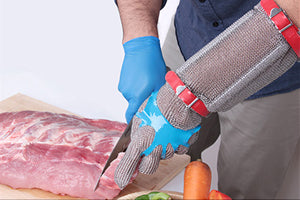
A Cut 5 glove can be the sweet spot when the hand needs protection but still has to work quickly. It becomes the wrong answer when the job really calls for a chainmail glove, an arm guard, or a higher cut tier because the hazard is larger than a knit glove can sensibly cover. That's especially true when the off-hand is near blades or when the forearm sits inside the danger zone.
Seafood and oyster shucking deserve special care. The glove has to manage both slippery conditions and puncture risk, so a generic Cut 5 buy can miss the mark if the coating and grip aren't right. The same is true for any station where the worker handles sharp edges plus fluid exposure.
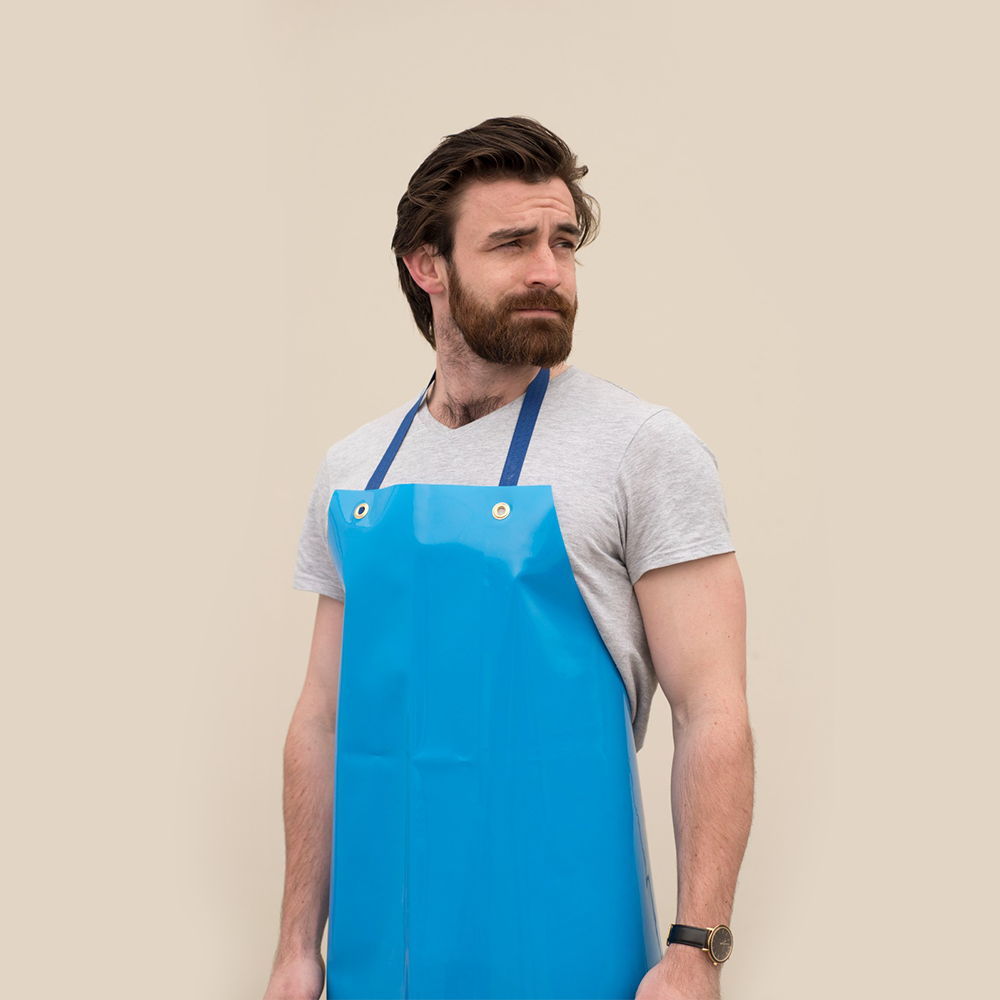
Practical rule: protect the hand, then protect the forearm, then think about the apron and the task flow.
That's the layered approach that works in real rooms. Cut 5 is useful, but only when it sits inside the rest of the PPE setup.
Procurement Checklist and Quick Answers
A buyer can simplify a Cut 5 purchase by checking five things before placing the order. First, confirm EN 388:2016 or ANSI/ISEA 105 on the datasheet. Second, demand the actual gram value. Third, check whether the palm coating suits wet handling. Fourth, trial the fit on the workbench. Fifth, write down the wash and retirement plan before the gloves go into circulation.

If the glove is being bought for a food site, ask whether the construction suits the sanitation routine, not just the cut score. That keeps the glove programme aligned with the rest of the site's hygiene and PPE rules, and it's the same logic used in this practical glove selection guide.
Are Cut 5 gloves food safe? Sometimes, but the answer depends on the exact glove, coating and site policy.
Can one pair be shared across stations? No. That's a bad habit in a food environment.
Do home butchers need the same spec as an abattoir? Usually not, because the hazard profile is different.
If you're buying for a butcher shop, prep kitchen or meat room, use the datasheet, not the box name, and run the glove on the actual task before you commit to a full order. For Australian meat and hospitality teams, PSC TRADING Co PTY LTD can help you compare the right glove, apron and PPE combination for your site, then build a purchase list that fits the work instead of just the label.
