



You're at the bench before first bell, hands still cold, the sink is already running, and the first tray of primals is waiting. In that moment, a knife set Australia buyers choose either helps the shift flow or starts the small failures that pile up by lunch, a dull edge here, a missing blade there, a handle that feels wrong once your gloves are wet.
For butchers, abattoir teams, hospitality kitchens, and serious home processors, the question isn't whether a knife set looks good in a box. It's whether the set matches the work, stays clean, stores safely, and can be kept sharp without wasting time or creating risk. The right kit earns its place by cutting cleanly, surviving wash-downs, and fitting the way Australian food businesses work.
Table of Contents
- Why the Right Knife Set Matters on an Australian Shift
- Matching Your Knife Set to Your Actual Use Case
- Steel Types and Coatings That Survive Australian Conditions
- Sharpening Discipline and Edge Maintenance Routines
- Sanitation and Safe Storage for Australian Food Businesses
- Sourcing Knife Sets from Australian Suppliers and Wholesalers
Why the Right Knife Set Matters on an Australian Shift
A Saturday morning in a suburban butcher shop is a good test of a knife set. One person is portioning, another is trimming, the wash-up area is already backed up, and every extra stroke of a blade feels like time you don't have. If the knife is blunt, the handle slips, or the pouch is missing the right blade, the work slows down and the team starts compensating with force instead of control.

What a bad set costs on the floor
The cost usually shows up in tiny ways first. A blade that drags through silverskin makes each cut harder. A handle that feels fine in the showroom starts to feel slick once it's wet with rinse water, fat, or sanitiser. A kit that looks complete at purchase can turn into a problem when the team realises it doesn't include the blade they reach for every day.
There's also a compliance angle that gets ignored in consumer buying guides. In Australia, the regulatory conversation around knives is mostly about safe carriage and lawful use, not broad restrictions on kitchen tools, and the public-policy focus stays distinct from normal culinary use. ABC reported in 2024 that the Australian Bureau of Statistics found knife use in homicide and related crimes remained relatively steady between 2010 and 2022, while knife robberies rose only slightly in 2022 and stayed below 2010 levels, and NSW BOCSAR executive director Jackie Fitzgerald said murders involving knives were trending down after population growth was taken into account, with “no evidence” of an increase in high-volume offences using knives. That matters because the commercial market is still overwhelmingly culinary and trade-oriented, not crime-driven, as the ABC reporting on Australian knife crime context makes clear.
Practical rule: if a knife set forces the user to cut harder, stop and reassess the kit. The sharpest blade is often the safest one because it asks for less force.
A well-chosen set doesn't just make the work prettier. It gives apprentices a cleaner learning curve, helps experienced hands stay consistent, and keeps the shift moving without constant blade swaps or improvised fixes. That's the standard to hold any knife set Australia search result against.
Matching Your Knife Set to Your Actual Use Case
A knife set can look complete on paper and still fail on the bench. A café kitchen, a small butcher shop, and a home user breaking down whole animals all need sharp tools, but the blade mix, storage, and cleaning discipline are different in each setting. Buy for the workflow you run, not the box a retailer wants to move.
Start with the core set, then check for gaps
A practical Australian benchmark for a starter professional knife set is the 3-piece configuration used by Zwilling Australia, an 8 cm vegetable knife, 16 cm slicing knife, and 20 cm chef's knife. That combination handles detail trimming, portion slicing, and general chopping without paying for blade types that may sit unused for most shifts. The reference set is described at Zwilling Australia's 3-piece professional set, and it works as a clean baseline for small kitchens and apprentices who need a simple, disciplined start.
Treating “starter” as if it means “finished” is a mistake. A 3-piece set leaves out tools many sites still rely on, including a serrated utility blade and a honing steel. If your work includes bread, tomatoes, or frequent meat prep, those pieces need to be added separately, or the kit becomes a false economy.
Compare the two common buying patterns
| Configuration | Typical Blades Included | Best Suited For | Common Coverage Gaps |
|---|---|---|---|
| 3-piece starter professional set | 8 cm vegetable knife, 16 cm slicing knife, 20 cm chef's knife | Café prep, apprentice kits, light commercial kitchens, home users who want a lean start | Serrated utility blade, honing steel, specialty boning or breaking knives |
| 11-piece trade butchers kit | Blades from 150 mm to 300 mm, plus sharpening tools and case | Butcher shops, abattoirs, meat rooms, heavier food-processing workflows | Less flexible for casual home cooks, bulkier to store and transport |
An 11-piece Australian butchers kit sold locally through Barbeques and More includes blades from 150 mm to 300 mm, plus a striated sharpening steel, sharpening stone, protector, and storage case. That layout suits trade work, finer work at one end, heavier breaking at the other, with maintenance tools packed into the same kit. The product listing at Barbeques and More shows the usual trade envelope clearly.
A lean set is smart when the work is simple. A broader kit is smarter when the team handles mixed tasks all day and cannot afford to hunt for missing tools.
If you are buying for a small commercial kitchen, list the cuts you do most often, then match each cut to a blade. If you are buying for a butcher or meat room, move straight to coverage, maintenance, and storage. The right knife set Australia buyers choose closes gaps instead of creating them.
Steel Types and Coatings That Survive Australian Conditions
Australian food environments punish knives in very predictable ways. Moisture sits on the blade, animal fat clings to it, wash-down cycles keep coming, and the knife is only as useful as its next clean cut. That's why steel choice and handle feel matter far more in practice than in glossy product photos.
Choose for the work, not the label
High-carbon stainless is usually the most sensible middle ground for daily butchery and food prep. It balances edge retention with corrosion resistance, which matters when knives move between prep, rinse, and storage through a busy day. Standard stainless can be easier to live with for lower-intensity use, but it usually asks for more frequent sharpening discipline if the workload is heavy.
Carbon steel still has a place in the right hands, but it's less forgiving in wet or wash-heavy environments. If the blade isn't dried and managed properly, it can become a maintenance burden fast. Coatings can help with food release and friction, but they don't replace good handling, and they won't rescue a knife that's being abused against bone or stored badly.
The infographic below gives a practical comparison of common materials and finishes used in professional cutlery.

Handles matter more than marketing copy
A blade is only half the tool. In wet Australian kitchens and meat rooms, the handle decides whether the knife feels secure after twenty minutes or after six hours. Textured polypropylene and rubberised grips usually perform well where hands are damp, gloved, or covered in fat, because they give better purchase without needing a death grip.
Traditional wood can still feel excellent in the hand, but it asks for more care and usually suits more controlled environments. If the site is doing regular wash-downs, the material has to match the cleaning routine, not just the chef's preference. In a cold-room breakdown area, or anywhere that handles get slick, grip and balance often beat aesthetics.
Field test: if a blade feels secure when wet and still tracks straight through a cut, it belongs in the kit. If the hand starts adjusting every few seconds, it doesn't.
The best knife set Australia buyers can source for trade use usually pairs sensible steel with a handle that stays honest under pressure. Fancy finishes are optional. Reliable grip and predictable sharpening behaviour aren't.
Sharpening Discipline and Edge Maintenance Routines
A knife set is only as good as the edge on it. In trade work, poor sharpening discipline is the failure mode that shows up most often, because people wait too long, then try to rescue a tired edge with one quick pass and hope for the best. That holds for a few cuts, then the knife starts pushing instead of slicing.
Use two stages, not one
The maintenance rhythm that holds up in Australian trade settings is simple. First, use a striated sharpening steel to realign the edge during or between shifts. Second, use a stone or professional service when the blade has degraded and needs a new bevel. The two-stage knife maintenance routine shown here points to the right mindset, regular alignment, then periodic resharpening. The internal guide on mastering the F. Dick 12/30cm regular cut sharpening steel is useful for teams that need a practical reference.
The aim is not to turn every apprentice into a bladesmith. It is to stop edge drift before it turns into extra effort, ragged cuts, and fatigue. Edge retention depends on routine touch-up, not on waiting for the knife to feel terrible.
What actually goes wrong
The common mistakes are easy to spot once you've watched enough teams work. Over-steeling can wear a fine edge down instead of improving it. Using the wrong grit stone can waste time or leave the knife toothy in the wrong way. Neglecting the tip is another classic problem, especially on utility knives and chef's knives where the front third does much of the work.
The trade kit spec matters here because it shows how maintenance is baked into proper use. A set built around blades from 150 mm to 300 mm only stays useful when the edge is preserved, and that is why a good kit usually carries both a steel and a stone. The message is straightforward, alignment first, sharpening second, replacement last.
Sharp knives aren't a luxury in trade work. They're a control measure. Less force means cleaner cuts, less hesitation, and less strain across a long shift.
Build a routine that survives a real shift
The routine has to fit the job. A quick steel before service, a brief check during clean-down, and a proper sharpen when the blade starts to lose bite is realistic. Anything more complicated usually gets skipped, and anything too loose creates the familiar cycle of dull knife, harder cuts, and rushed maintenance at the worst time.

For a working team, the goal is consistency. The knife should cut the same way at 8 a.m. and 3 p.m., not only right after a service visit. That is the difference between a set that feels professional and one that just looks the part.
Sanitation and Safe Storage for Australian Food Businesses
Cleaning a knife is not the same as storing it safely, and both matter in Australian food businesses. Most buying guides skip straight past that reality, which is a mistake if you're running a butcher shop, an abattoir, or a busy kitchen where tools move between stations all day. Hygiene, storage, and transport are part of the knife decision, not an optional extra.
Keep the cleaning process simple and visible
Knives should move through a consistent wash, dry, inspect, and store routine. The knife comes out of service, gets washed and sanitised, dried, checked for damage or residue, and then returned to a controlled storage point. If that sequence gets messy, cross-contamination risk rises and the team loses track of where the blade has been.
The practical storage options are familiar for a reason. Knife pouches, butcher belts, blade protectors, magnetic strips, and lockable cases all solve different parts of the same problem, which is access without exposure. The key is to separate a sharp, usable tool from loose handling and cluttered benches.
Why storage is also a safety control
Australian research on knife-related offending shows that possession in public places is often concentrated around alcohol use, nightlife, transport corridors, and repeat-offender patterns. That doesn't describe the normal food business, but it does explain why access control matters. The Australian Institute of Criminology report on knife possession in public places supports practical controls like secure storage, transport discipline, and rapid removal from risky environments.
In a food business, that means knives shouldn't sit loose in a drawer or travel unprotected between prep and wash-up. They should be accounted for, stored in the right place, and carried only when needed. Secure systems reduce contact injuries as well as misplaced tools.
Store blades individually, not in a pile. Edges last longer, fingers stay safer, and the next shift doesn't inherit a damaged knife.
A useful workflow is to treat storage as part of sanitation rather than as a separate admin step. That keeps the process tight and makes it easier to audit. For a deeper look at carriage and storage systems, the internal guide on professional knife storage and butcher knife rolls and pouches is a practical companion.

Make transport part of the plan
Off-site transport needs more discipline than commonly admitted. A blade in a pouch, sheath, or lockable case is easier to move, easier to count, and less likely to end up damaged or exposed. That matters for mobile butchers, catering teams, and anyone moving between prep rooms and storage rooms across a shared site.
A good knife set Australia purchase should come with a storage answer, not just a blade list. If the set cannot be cleaned, secured, and transported without improvisation, it's not properly specified for Australian food work.
Sourcing Knife Sets from Australian Suppliers and Wholesalers
Where you buy a knife set matters almost as much as what's inside it. Australian buyers need more than a blade page, they need a supplier who understands trade use, replacement parts, and the related gear that keeps the workstation running. That's especially true when the set has to serve food businesses, not just home cooks.
Look for suppliers who think beyond the knife
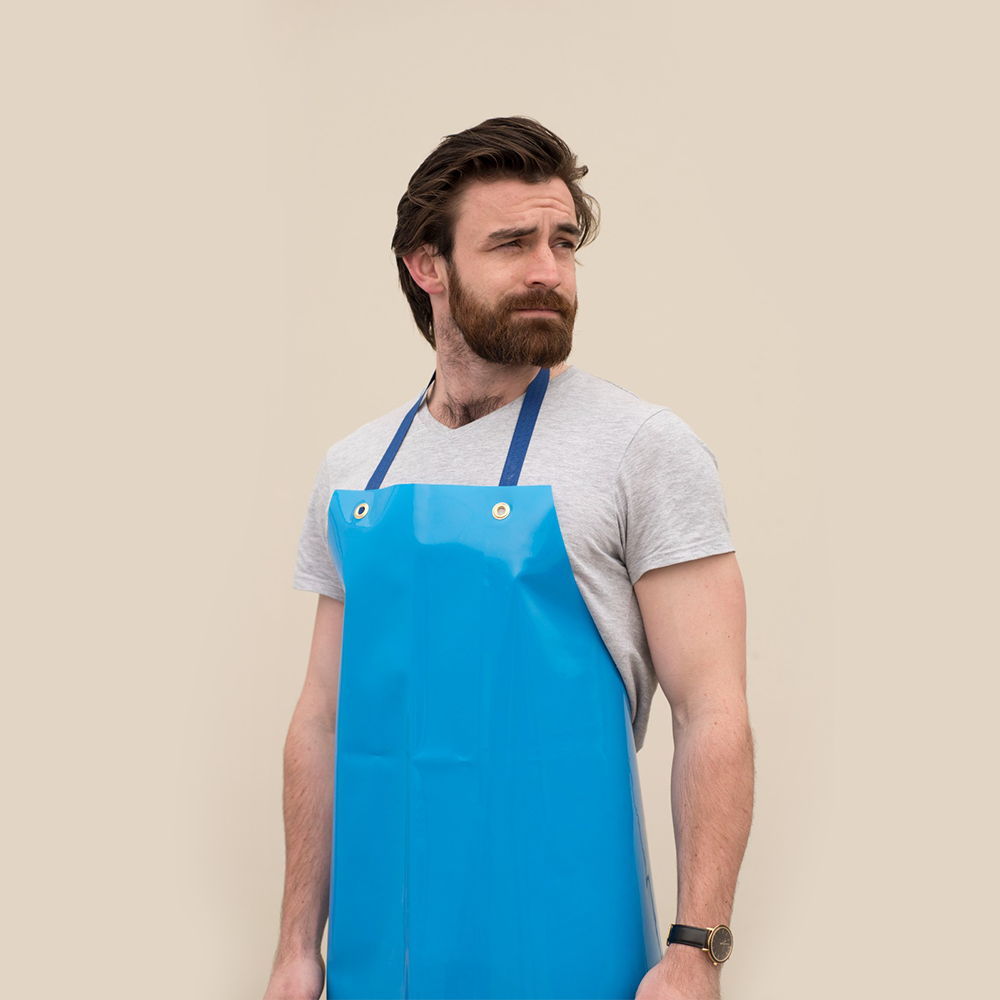
A strong supplier should stock the knife set, yes, but also pouches, belts, blade protectors, aprons, PPE, and sanitation products that complete the workstation. That makes replacement easier and keeps the system consistent when a blade wears out or a new apprentice joins the team. PSC TRADING Co PTY LTD is positioned around butcher, abattoir, and hospitality supply, which is the kind of category breadth buyers should look for in an Australian wholesaler.
The search results reveal why this matters. A major underserved angle in Australian results for knife set Australia is safety and compliance for home and small commercial users, with most visible content focusing on blade types and brands rather than cleaning, safe storage, and workplace hygiene expectations. That gap is real, and it's why supplier selection should include support for the operating side of the purchase, not just the product page.
Judge the supplier by the whole system
Ask a simple set of questions before buying. Can the supplier provide trade-specification kits and individual blades? Do they carry accessories that match the kit? Can they support ongoing sharpening and replacement needs without forcing a second sourcing process? If the answer is no, the purchase is probably too narrow for serious use.
Imported brands can still be useful, especially if they have genuine Australian distribution and warranty support. But shipping delays, limited spare parts, and weak local accessory ranges can turn a good blade into a frustrating ownership experience. Local supply is usually better when the site needs speed, repeat ordering, and compatibility across the full bench setup.
A practical sourcing rule is this. Buy the knife set from the same supply chain that can also cover the storage, PPE, and sanitation side of the job. That gives the team fewer mismatches and fewer excuses when something needs replacing mid-week.
For buyers building out a full workstation, the Butcher Knife Set range is a sensible starting point to compare against the use-case benchmarks above.
Choose the set that fits the shift, not the shelf. If you're equipping a butcher shop, abattoir, hospitality kitchen, or home meat room and you want a knife system that's workable in Australian conditions, start with the tools, storage, and maintenance pattern that match your operation, then compare suppliers on the full package, not just the blade count. For practical sourcing, replacement support, and workstation accessories, explore PSC TRADING Co PTY LTD's Australian range and build the kit around how your team really cuts, cleans, and carries knives every day.
