






You've probably had this happen. You season a tray of meat, smell the garlic and oregano, get the grill hot, and still end up with something that tastes vaguely Mediterranean instead of like the gyro shop down the road. The problem usually isn't the meat. It's the seasoning balance, the particle size, the moisture, and the way the mix is handled before it ever reaches the pan or spit.
Greek gyros seasoning works when the flavour is built for repeatability, not guesswork. The classic profile sits in a Mediterranean and Ottoman lineage, with sources tying the vertical-spit tradition to Bursa in the 19th century and modern Greek gyros leaning on oregano, garlic, salt, pepper, and often paprika, thyme, cumin, and coriander (origin of gyro meat and seasoning). In Australia, that matters because gyros has become a familiar takeaway format, but the seasoning itself isn't a local invention. It's a stable flavour system that only works if you respect the ratios and the process.
Table of Contents
- Why Most Greek Gyros Seasoning Falls Short
- The Core Ingredients and Ratios That Define Authenticity
- Mixing Technique and Application Methods
- Marination Time and Temperature Control
- Adapting Seasoning for Different Cooking Methods
- Scaling for Commercial Production and Batch Consistency
- Storage, Shelf Life, and Food Safety Essentials
Why Most Greek Gyros Seasoning Falls Short
A lot of cooks start with a vague “Mediterranean blend” and hope the result will taste like a proper gyro. That's where it goes wrong. The seasoning profile for Greek gyros is not a loose herb mix, it's a recognisable structure built around oregano first, then garlic and warm spices, with the meat, moisture, and cooking method all pulling in the same direction.
The flavour problem starts before the pan heats up
In a shop setting, I see the same mistake over and over. Someone makes the blend too generic, throws in too much of everything, and ends up with a muddled result that smells fine in the bowl but disappears once the meat cooks. The useful benchmark is a stable spice pattern, not a kitchen-sink blend. A trade-friendly gyros mix is commonly centred on oregano, garlic, paprika, cumin, coriander, and thyme, which lines up with the core profiles described in practical seasoning guides (gyro seasoning overview).
That's why authentic taste in Australia is best understood as a profile, not a fixed local recipe. The dish is now familiar in Australian hospitality and takeaway channels, but the flavour foundation still reflects a Mediterranean and Ottoman lineage, not a uniquely Australian creation (origin of gyro meat and seasoning). If you treat it like a generic spice rub, it'll taste generic.
Practical rule: If oregano isn't the lead herb, the mix usually drifts away from gyro and toward an undifferentiated roast seasoning.
History matters because the method shaped the flavour
Gyros belongs to a food category shaped by migration and adaptation rather than a frozen national template. The vertical spit tradition developed in Bursa in the 19th century, and later Greek versions adapted the meat choice toward pork or chicken while keeping the spice base recognisable (origin of gyro meat and seasoning). That's the key lesson for today's kitchens. The flavour didn't emerge from random improvisation. It evolved around a cooking system that rewards seasoning which clings, browns, and stays readable after heat.
A butcher or chef working in Australia has to make that same logic work on flat grills, ovens, rotisserie units, and prep lines. The best commercial blends don't chase novelty. They preserve the familiar gyro signature while staying workable across local supply chains and service styles.
The Core Ingredients and Ratios That Define Authenticity
Greek gyros seasoning holds together as a ratio problem. The ingredients matter, but the structure matters more, especially if the same blend has to perform across pork, chicken, lamb, or mixed meat on a busy production line. A practical benchmark blend keeps oregano in the lead at about 25%, then brings in paprika at 20%, garlic and onion powder at 15%, cumin at 10%, coriander at 10%, thyme at 10%, and a small cinnamon or cayenne slot at about 5%. That shape gives the seasoning a clear Greek profile without letting heat or sweetness take over.
A practical home-cook starting point
For smaller batches, one published recipe uses 2 teaspoons each of salt, parsley, paprika, and oregano, plus 1 teaspoon each of thyme, marjoram, and coriander (practical gyro seasoning recipe). That gives home cooks a repeatable starting point without forcing them to work in percentages, and it scales cleanly when a kitchen wants to trial a new blend before committing to a larger lot. If the flavour feels too broad or too flat, adjust oregano and paprika first. Adding more spices usually muddies the result.
Here is the commercial logic behind the ingredients:
- Oregano: The anchor herb. It gives the mix its Greek identity and keeps the seasoning from reading like a generic roast rub.
- Paprika: Adds colour, mild sweetness, and surface appeal during cooking.
- Garlic and onion powder: Carry the savoury base and help the blend read as meat seasoning instead of herb dust.
- Cumin and coriander: Add warmth and depth without pushing the profile into a different kebab style.
- Thyme: Supports the herb line and keeps the flavour from becoming one-note.
- Cinnamon or cayenne in small amounts: A background lift, not a lead flavour.
Practical rule: The blend should be built around oregano, garlic, paprika, and one or two warm spices. Everything else should support that structure, not crowd it.
Table
| Ingredient | Percentage | Role in Flavor Profile |
|---|---|---|
| Oregano | 25% | Dominant herb, defines the gyro character |
| Paprika | 20% | Colour, mild sweetness, surface warmth |
| Garlic/onion powder | 15% | Savoury backbone |
| Cumin | 10% | Earthy warmth |
| Coriander | 10% | Soft citrus-spice depth |
| Thyme | 10% | Herbal support |
| Cinnamon/cayenne | 5% | Small warming lift |
Ingredient quality still matters. Dried herbs need to smell clean and fresh, and the grind has to stay consistent from batch to batch. If oregano comes in dusty or the paprika has faded, the mix loses impact before it reaches the meat. In commercial use, that kind of drift shows up fast, because a blend that tastes fine on one protein can fall flat on another if the herb base is tired or the warm spices are out of balance.
Mixing Technique and Application Methods
A good gyro blend fails fast if it is thrown together carelessly. Dry spices should be combined first, and hard seeds should be treated separately so the finished mix stays even from batch to batch. Toast the whole cumin and coriander only, cool them completely, then grind them to a medium-fine texture so the blend clings instead of clumping, as noted in mixing and grinding guidance. If the spices heat up too much during grinding, the aroma drops off and the batch loses lift.
Build the blend in the right order
Start with the fragile herbs and powders, then add the denser seeds after they have been toasted and cooled. Pull out woody herb stems before blending, because they break up the texture and make the seasoning release unevenly. A fine, even grind helps the seasoning spread across the meat surface instead of gathering in pockets, which matters even more when you are mixing for more than one protein.
For commercial production, consistency starts with the order of operations. Keep the dry base uniform, then add the stronger components once the texture is already balanced. That approach helps the mix behave the same way on lamb, chicken, or pork, even though each meat takes seasoning a little differently.
One practical way to improve adhesion is to turn the dry mix into a paste with olive oil before rubbing it onto the meat. That tip comes up in spice blend application tips, and it holds up in production because it gives the seasoning something to grip before the heat starts working. A dry rub that stays loose on the surface ends up in the tray instead of on the meat.

Getting the dosage right
A useful application benchmark is about 10 g of spice blend with 2 tbsp olive oil per 1 kg meat. Another gyro-style method uses 2 tablespoons spice mix per pound of meat, plus 1 tablespoon olive oil and 1 teaspoon lemon juice, then lets the meat rest in the refrigerator. The exact number matters less than the relationship between spice load, oil, and rest time. If those three are out of balance, the seasoning either looks dusty or turns heavy and wet.
If the blend refuses to cling, the grind is too coarse or the oil level is too low. If it becomes paste-like, the wet ingredients are carrying too much weight. A clean gyro mix should coat the meat evenly and still read as seasoning, not sauce. In a busy kitchen, that also means watching cold holding and product turnover closely, since poor cold chain management can change how the oil and seasonings behave before the meat ever reaches the grill.
Marination Time and Temperature Control
In production, marination is where good Greek gyros seasoning can still miss the mark. The blend may be balanced on paper, yet the meat turns soft, wet, or uneven if the hold time is off. One practical guide recommends keeping the meat in the refrigerator for 12 to 24 hours after application, with the surface left uncovered during the rest so it dries slightly and takes up flavour more evenly (time and handling guidance). That kind of control matters because the seasoning should settle into the meat, not sit on top of a slick coating.
Time is a texture decision, not just a flavour decision
For commercial kitchens, the trade-off is between enough contact time for flavour and too much time for breakdown. Another guide recommends refrigeration for 24 to 48 hours and warns not to exceed 72 hours because acid can start changing the meat's texture (marination and safety guidance). A separate formulation note says not to go beyond 48 hours because the texture may turn mushy, especially with acidic or wetter blends. Those ranges are close enough to make the point clear. The longer the hold, the tighter the control has to be.
For lamb, chicken, and beef, the practical issue stays the same. Softer meats break down faster when the mix is wet or acidic, and that is where batch discipline matters. Keep product refrigerated, and do not let prep delays leave it at room temperature. If your team needs a reminder on handling discipline, the same cold storage rules used elsewhere in meat processing apply here, including the basics covered in cold chain management practices.
Practical rule: Marinate cold, keep the blend balanced, and stop before the acid turns the surface soft.
Scheduling for service
In a kitchen doing same-day prep, a shorter refrigerator rest can work if the seasoning is rubbed in evenly and the meat is sliced thin. That is usually enough for service, provided the batch is handled cleanly and the temperature stays steady. In a butcher shop or manufacturing setting, the plan should be fixed before production starts so every batch reaches the slicer or grill with the same hold time. Consistency matters more than squeezing extra hours out of the marinade.
Adapting Seasoning for Different Cooking Methods
A seasoning blend that works on a spit can fall flat on a griddle, and a mix that browns well in a pan may taste muddy in an oven. The flavour still has to read as Greek gyros seasoning, but the texture, cling, and browning change with the heat source. Dry blends, oil-based rubs, and wetter mixes each have a place, especially once the meat leaves the vertical spit and starts cooking by contact, radiant heat, or tray roasting.
Match the seasoning to the heat source
On a vertical spit, rendered fat keeps basting the meat as it cooks. That steady self-basting lets a dry herb-and-spice mix hold its character without much help. On a flat grill or in an oven, the surface needs more support so the seasoning stays on the meat long enough to colour properly. Oil in the rub improves adhesion, and a small amount of lemon or yoghurt can help hold moisture when the cooking method changes, but the mix should still stay restrained so it does not turn pasty.

The practical test is simple. If the rub is too wet, it steams before it browns. If the meat surface is damp, the spice slides instead of setting. If the blend carries too much liquid, the herbs lift off the surface before the first proper sear, and the finished flavour loses definition.
Build for browning, not just fragrance
On a griddle, keep the oil level modest and treat the seasoning as a coating, not a marinade bath. That approach gives you a cleaner crust and keeps the oregano and garlic from washing into the pan. For oven work, the mix needs enough body to stay on the surface as the heat drives off moisture. For pan cooking, a finer grind usually performs better because it makes even contact with the meat and avoids burnt flakes of herb.
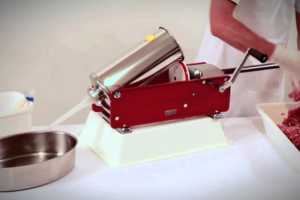
Commercial kitchens also need the equipment to match the job. A butcher shop or processor that moves between strips, tray roasts, and ready-to-cook portions will get more consistent results with properly controlled mixers, slicers, and tumblers, the kind of setup outlined in food processing equipment Australia. That matters because method changes are not just culinary choices, they change how the spice grips the protein and how evenly it sets under heat.
Australian kitchens often need this flexibility because the service model is not always a spit-roast model. Butcher shops, catering kitchens, and small processors need a seasoning that behaves the same way whether it is grilled in strips, roasted on trays, or packed into ready-to-cook portions. Authenticity stays intact when the oregano-led base remains steady and the method-specific adjustments only support texture, cling, and browning.
Scaling for Commercial Production and Batch Consistency
A small-batch blend can hide problems that show up fast in production. Once you start making Greek gyros seasoning for butcher cases, catering trays, or packed portions, the test is whether the mix tastes the same from one run to the next, even when the protein, cutter, or cook method changes. Commercial consistency starts with weights, not intuition. A blend that tastes right in one bowl can drift as soon as it is scaled up, especially if someone measures by volume instead of by ratio. A practical benchmark keeps oregano, paprika, garlic and onion powder, cumin, coriander, thyme, and the warming spices in fixed proportion, then uses a small amount of oil and lemon zest extract for adhesion after mixing, as outlined in a ratio-controlled blend method. That kind of formula holds up when the batch gets larger.
What actually needs control
The variables that move first are particle size, ingredient weight, and mix uniformity. If one lot uses a fine oregano and the next uses a coarser cut, the flavour release changes even when the label looks identical. If the seeds are not ground the same way each time, the spice lands unevenly on the meat. If the operator eyeballs the mix, the written formula can stay unchanged while the actual seasoning shifts from batch to batch.
A ratio-led workflow keeps that under control. One benchmark blend uses about 25% oregano, 20% paprika, 15% garlic/onion powder, 10% cumin, 10% coriander, 10% thyme, and 5% cinnamon or cayenne. For smaller test batches, a practical gyro seasoning recipe gives a simple teaspoon-based starting point that can be converted to weight for production. The commercial move is straightforward, treat the home formula as the flavour reference, then lock the production version by weight and keep the grind consistent.
Practical rule: Weigh every component, grind only the dense seeds, and mix until the colour looks uniform across the full batch.
Compliance and traceability matter
Packaged food businesses in Australia also need labels, ingredient declarations, and allergen communication that match the actual formulation. Process-ready seasoning is not just a flavour issue, it is a records issue as well. If the batch record does not match the blend, the label cannot be trusted. The same point applies to supplier control, especially where product specs need to stay aligned across butcher shops, processors, and food-service buyers, a topic that often comes up alongside food processing equipment and workflow planning.
The best commercial blends are boring in the right way. Same spice source, same grind, same weight, same hold time. That is how you keep a gyro seasoning consistent whether it is going to a lunch counter, a butcher case, or a packaged tray.
Storage, Shelf Life, and Food Safety Essentials
Dry spice blends and oil-based pastes need different handling. A dry gyros mix should be kept sealed, cool, and away from light so the volatile aromatics don't fade early. Once oil or lemon juice is added, the blend becomes a short-hold working paste rather than a shelf-stable dry seasoning. That distinction matters in both home kitchens and commercial prep areas.
Keep the format matched to the job
For home cooks, the simplest rule is to make only what you'll use soon and store the dry mix tightly closed. For butcher shops and food manufacturers, batch records should show exactly which spices went into the mix, when it was made, and how long it was held before use. That keeps ingredient declaration and allergen communication aligned with the actual product under Australian food standards.
Cross-contamination prevention matters too. Shared scoops, open tubs, and poorly cleaned mix bowls can transfer traces between batches. If your operation handles multiple proteins or seasoning lines, sanitise the equipment between runs and keep the containers clearly labelled.
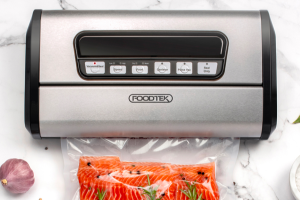
If vacuum storage is part of your workflow, the handling discipline needs to stay tight after packaging as well, which is where vacuum bag usage practices become relevant to meat prep. The goal is simple, keep the seasoning intact, keep the product cold, and keep the records matching the contents.
A practical checklist by user type
- Home cooks: Make a dry blend in small quantities, store it sealed, and mix with oil only when you're ready to cook.
- Butcher shops: Standardise the ratio by weight, label every batch, and keep a cleaning schedule for trays, bowls, and scoops.
- Food manufacturers: Lock the formulation, record supplier lots, and verify that ingredient declarations match the finished blend.
A good gyro seasoning doesn't just taste right on day one. It stays controlled from mixing bench to cook line, and that's where the quality lives.
If you're building Greek gyros seasoning for a kitchen, butcher shop, or processing line, start with a weighted formula, keep the oregano-led profile intact, and test it on the proteins and cooking methods you use. For equipment, packaging, and production support that fits Australian meat and hospitality work, visit PSC TRADING Co PTY LTD and choose the tools that help you keep every batch clean, consistent, and ready for service.
